


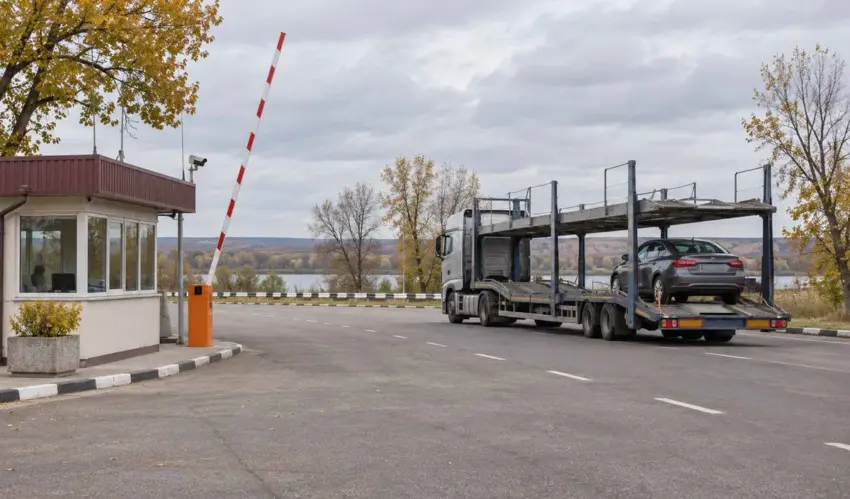
This was stated by the president of the unrecognised republic, Vadim Krasnoselsky, in an interview with RIA Novosti.
“As for the consequences of the economic blockade, here is just one example: over two months – September and October – vehicle imports fell by 70 per cent compared with July and August of this year. At the same time, businesses have completely stopped importing cars,” noted Vadim Krasnoselsky.
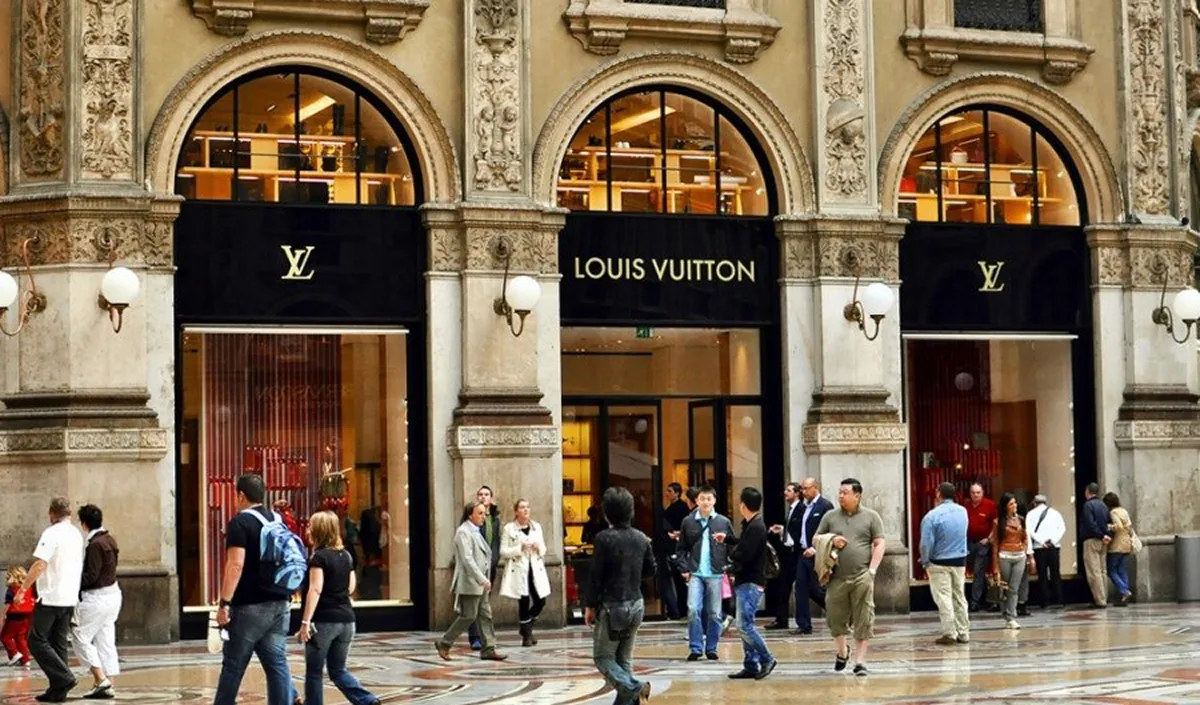
According to him, there has also been a sharp decline in other product groups: alcohol imports fell by 88 per cent, and perfumery imports by 44 per cent. All this has led to significant losses for the Transnistrian budget.
From 1 September 2026, the Moldovan authorities began levying value-added tax and excise duties on goods destined for Transnistria. As a result, according to data from the PMR State Customs Committee, over a two-month period Transnistrian economic entities were forced to pay at least $100,000 into the Moldovan budget. At the same time, deliveries of goods subject to Chisinau’s additional taxation have more than halved, leading to significant shortfalls in the budget of the self-proclaimed PMR.
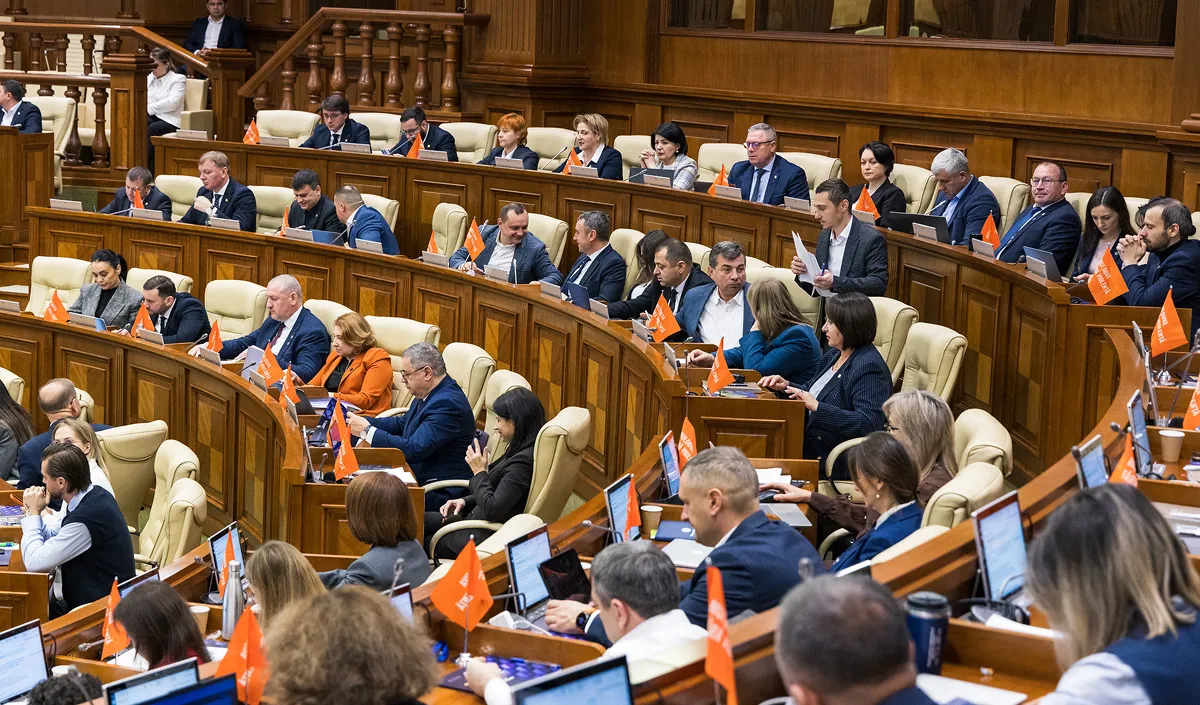
Moldova’s constitutional authorities had previously explained that the introduction of VAT and excise duties for companies operating on the left bank of the Dniester (of which there are around 2,500) forms part of measures aimed at the gradual harmonisation of tax and customs regulations on both banks of the river, the elimination of distortions of competition and the promotion of reintegration.
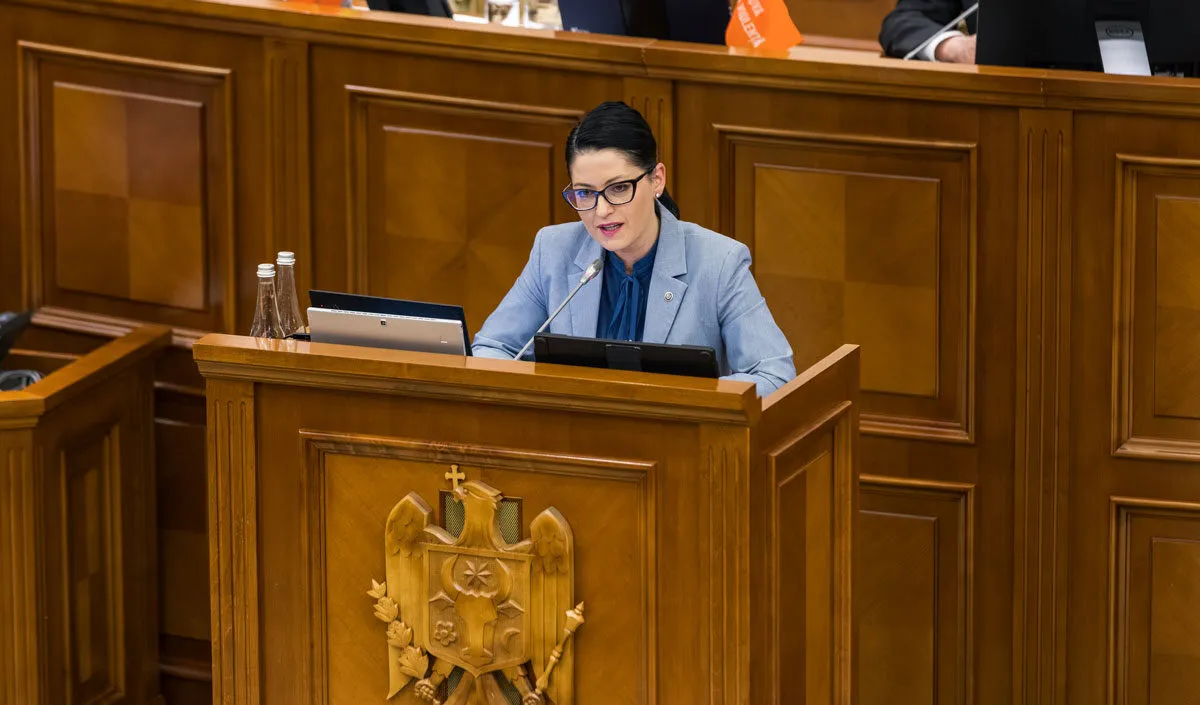
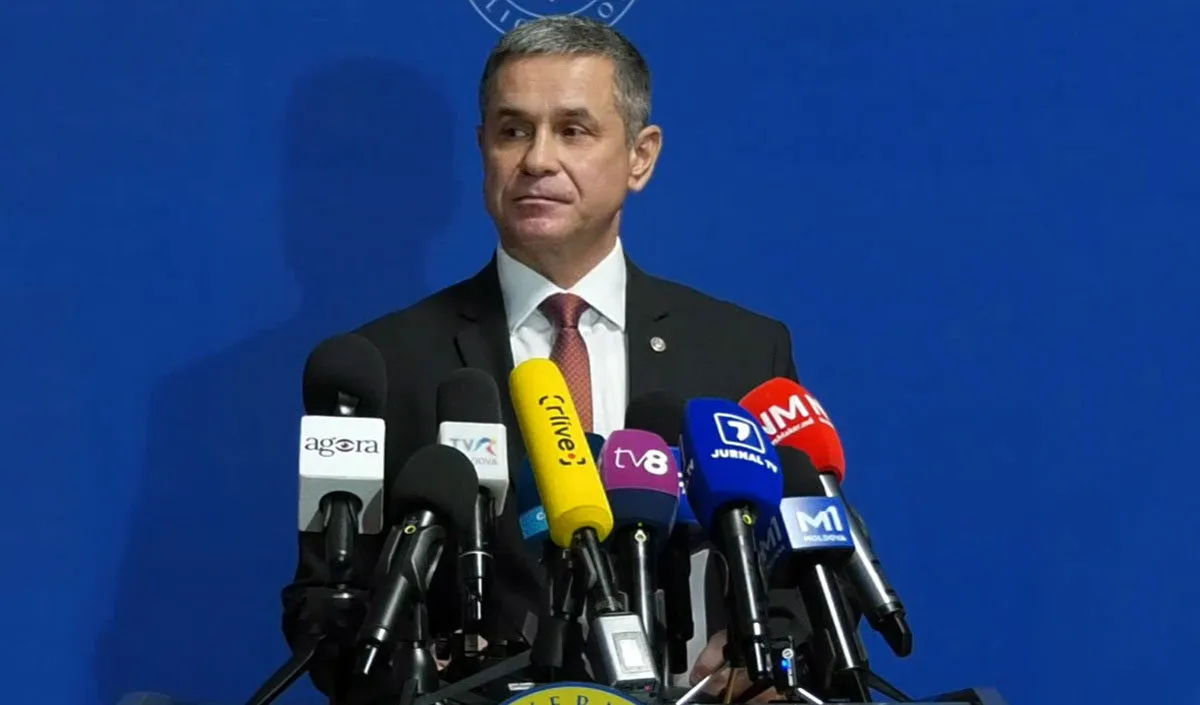
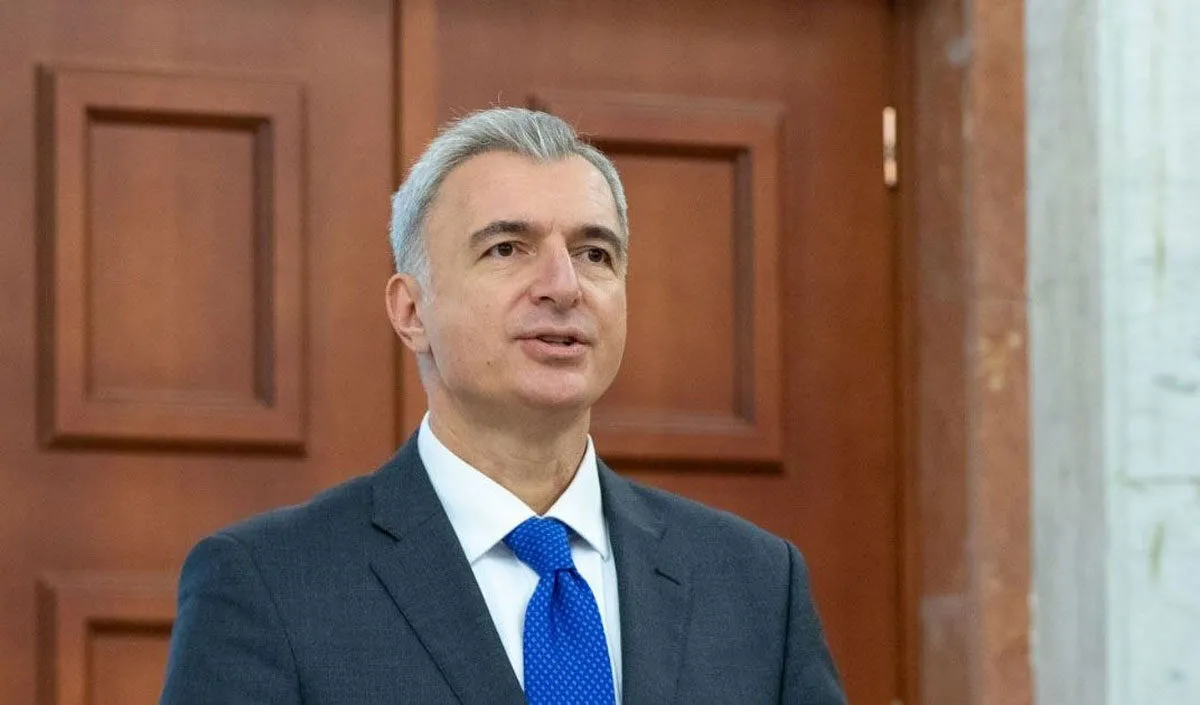
Valeriu Chiveri, Deputy Prime Minister for Reintegration, emphasised that these measures are intended to establish a single legal framework on both banks of the Dniester, as well as to provide the business community with a transition period to adapt.
It is expected that tax revenues will be channelled – including via the Convergence Fund – towards the implementation of development projects and social support programmes for residents of the country’s eastern regions.
Prime Minister Vasile Tofan had previously also stated that residents of the left bank of the Dniester remain citizens of the Republic of Moldova and continue to benefit from public services and social assistance.
Follow our updates
Have information for the newsroom? Share it with Logos-Press












Comments
0No comments yet. You can start the conversation.
Comments are open to readers with a Logos Press account.
Sign in to comment