In the first quarter of 2026, the country’s unemployment rate jumped to 10.7% from 8.3%. This increase—by 2.4 percentage points—was the sharpest among European countries.
Denmark and Finland tied for second place in terms of the rate of increase in unemployment: in both countries, the rate rose by 1.1 percentage points, reaching 7.4% and 10.8%, respectively.
The labor market situation also deteriorated significantly in Spain, where unemployment rose by 0.9 percentage points to 10.8%. Unemployment rose significantly in Estonia—by 0.7 percentage points, to 7.1%.
Moldova—Among the Top
Our country is not at the bottom of this ranking either. According to the National Bureau of Statistics (NBS), the unemployment rate in Moldova reached 10.4% in the first quarter.
This figure significantly exceeds previous estimates (3–4%) due to the transition to the updated methodology of the International Labor Organization (ILO): in urban areas, it stands at 7.6%, while in rural areas, where the shortage of jobs is more pronounced, it reaches 13.4%. In absolute terms, this represents an increase in the number of unemployed to 93,600 people.
The sharp increase in the rate compared to previous estimates (for example, 2.9% at the end of 2025) is due to the National Bureau of Statistics (NBS) revising the tools used in the Labor Force Survey to bring them into full compliance with EU standards. The new methodology has expanded the category of unemployed to include population groups that were not previously counted. A direct comparison with the old figures is not valid.
The revised methodology has reclassified individuals who were previously categorized as “partially employed” or “economically inactive” into the officially unemployed category. It is precisely because the statistics now capture “hidden” unemployment in rural areas and among young people that the figures have risen, reflecting the true state of the labor market.
Under the new rules, for a person to be classified as unemployed (and thus become part of the country’s labor force), they must simultaneously meet three strict European criteria:
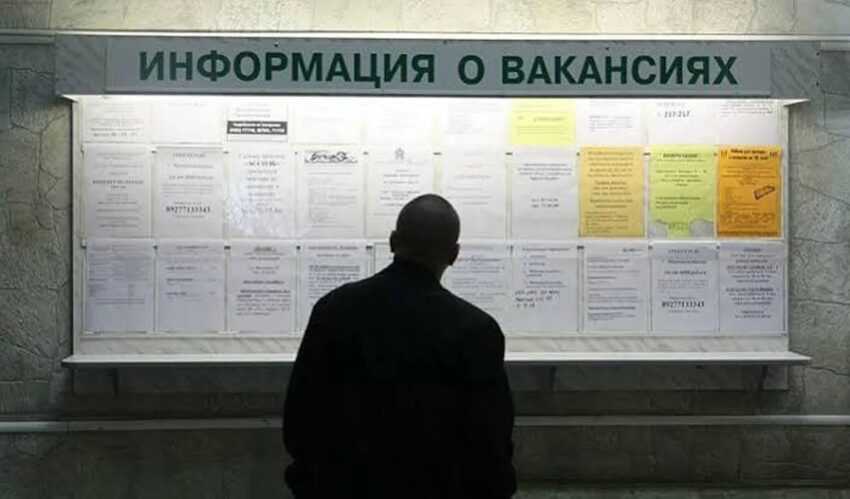
– Not have a job (not even short-term informal employment that provides their main source of income).
– Have been actively looking for work in recent weeks (through agencies, job listings, the internet, or personal contacts).
– Be ready to start work within the next two weeks.
Follow our updates
Have information for the newsroom? Share it with Logos-Press