



Adrian Lebedinskii
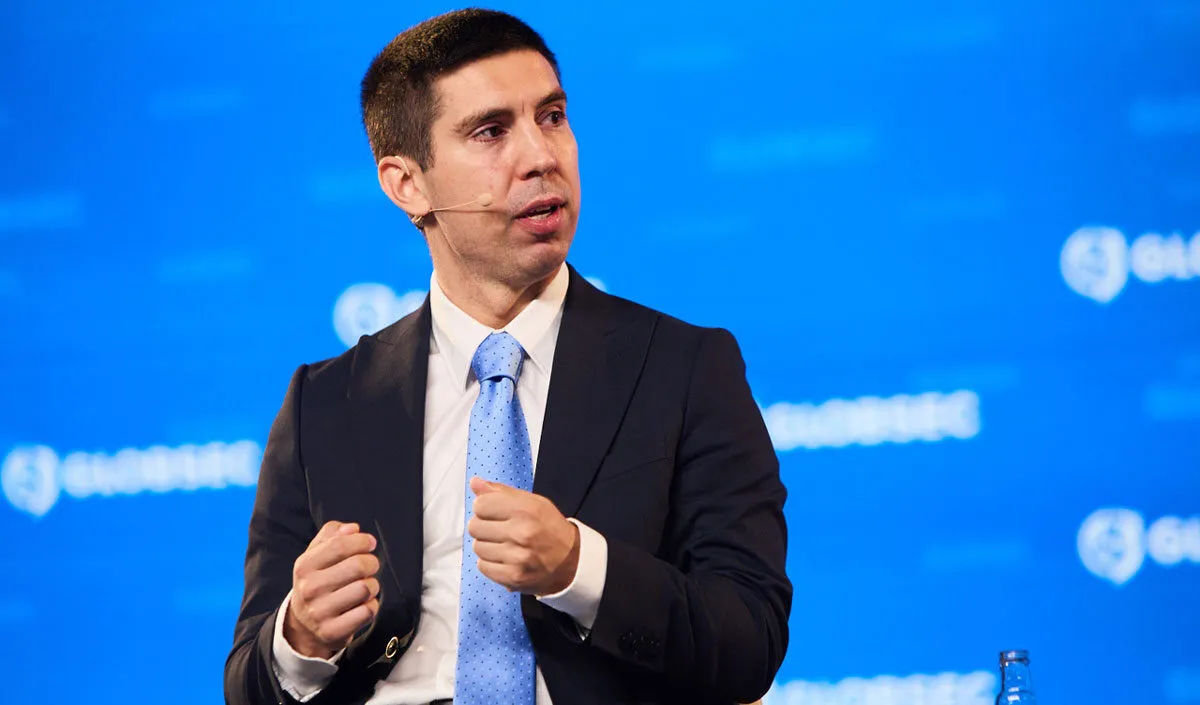
In an interview with Logos Press, the MP stated that the sale of state assets may be economically justified, but the authorities must first demonstrate that this is the most advantageous solution.
“I do not believe that privatisation should be viewed solely through an ideological lens. There are situations where the state holds assets that it does not manage efficiently, and attracting a private investor may be economically justified.
The key question, however, is how this process is carried out. Before privatisation, it must be demonstrated that the asset in question no longer has strategic importance and why its sale is more advantageous than restructuring, concession or another form of utilisation,” said Adrian Lebedinskii.
According to him, the process must guarantee a level playing field for all participants, transparency regarding investors and the identification of the beneficial owners of the companies acquiring the assets.
“The valuation of the asset must be independent and credible, the conditions for participation must be clear and equal for all, and there must be genuine competition. At the same time, the state must know who the investor is and who the beneficial owner of the company purchasing the asset is. The greatest risks are the undervaluation of assets, restrictive tender conditions or those designed to favour a particular participant, a lack of genuine competition, and a lack of transparency following the conclusion of the transaction,” the MP warned.
Lebedinskii emphasised that Parliament must closely monitor these processes, and that the authorities must provide public explanations regarding decisions to dispose of state property.
This story was translated with the assistance of artificial intelligence.The translation was also reviewed by the Logos Press editorial team.
Follow our updates
Have information for the newsroom? Share it with Logos-Press






















Comments
0No comments yet. You can start the conversation.
Comments are open to readers with a Logos Press account.
Sign in to comment