

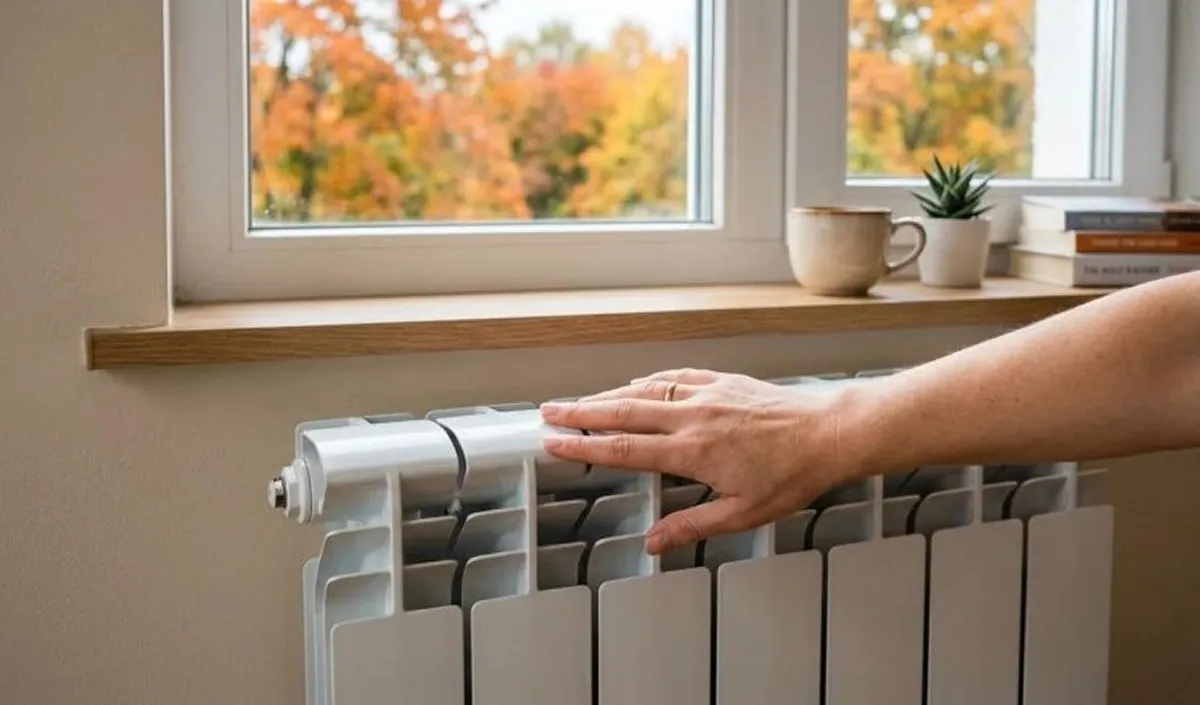
Details of the new measures were presented today during public consultations organised by the parliamentary committee on the economy, budget and finance. The aim is to facilitate the transition to horizontal heat distribution and improve energy efficiency in blocks of flats.
Individual temperature control
The transition will enable residents to regulate the temperature in their flats individually and receive hot water instantly. Every flat, including those disconnected from the heating system, will be fitted with a connection point and individual heat and hot water meters. The costs of the work and equipment in communal areas will be fully covered by the project budget.
Vouchers will cover half the costs
For work inside buildings, which will be carried out with the owners’ consent, the National Centre for Sustainable Energy (CNED) is developing a support mechanism through the Residential Energy Efficiency Fund. This involves the provision of vouchers to cover approximately half the costs of internal pipework, thermostatic valves and radiators.
At the same time, owners may retain their existing radiators to reduce their financial contribution. Residents are advised to form owners’ associations to secure additional funding for the thermal insulation of buildings. It is estimated that these measures could lead to savings of up to 70 per cent on heating bills.
The switch to the new heating system will also resolve the issue of billing flats that are disconnected from the central heating system and use gas-fired heating systems.
When horizontal networks are laid, the old vertical pipes running through flats will be decommissioned, and owners will pay only for their share of the heating costs for communal areas, calculated on the basis of the difference between meter readings.
At the same time, they will have the option to reconnect to the centralised network, thereby gaining two alternative sources of heating.
To protect citizens’ property, the bill provides for clear mechanisms for advance notification, registers of complaints and an obligation to document the condition of the property before work begins, whilst contractors are obliged to repair or fully compensate for any damage.
The exact amount will depend on the scope of the work
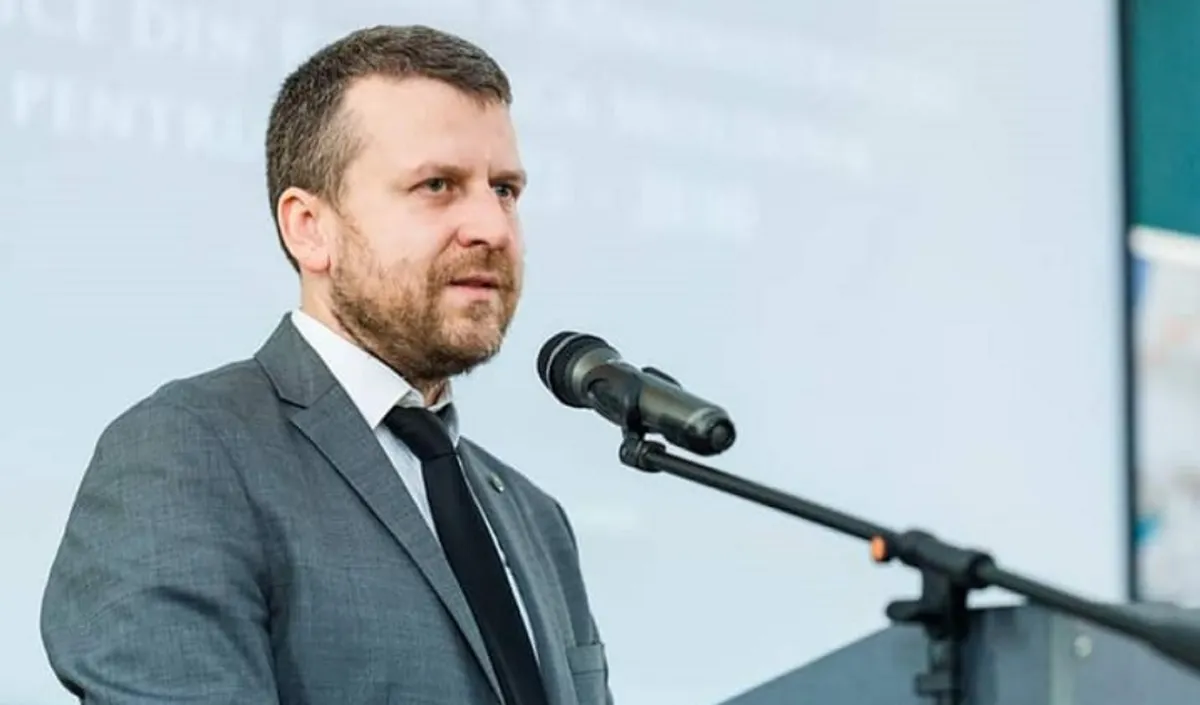
CNED Director Ion Munteanu explained during consultations that financial support may include the replacement of heating networks and radiators, as well as the installation of thermostats.
The exact amount will depend on the scope of work required in each flat. In addition, the installation of individual heat meters will be funded as part of projects to modernise the general infrastructure.
In Bălți, more than 200 blocks of flats are due for modernisation, and in Chișinău, more than 1,500. The work is scheduled to take place over a period of seven to ten years.
The financial support mechanism is currently being developed, and work may begin in spring 2027. The relevant draft laws are due to be considered by MPs at second reading.
This story was translated with the assistance of artificial intelligence.The translation was also reviewed by the Logos Press editorial team.
Follow our updates
Have information for the newsroom? Share it with Logos-Press















Comments
0No comments yet. You can start the conversation.
Comments are open to readers with a Logos Press account.
Sign in to comment