

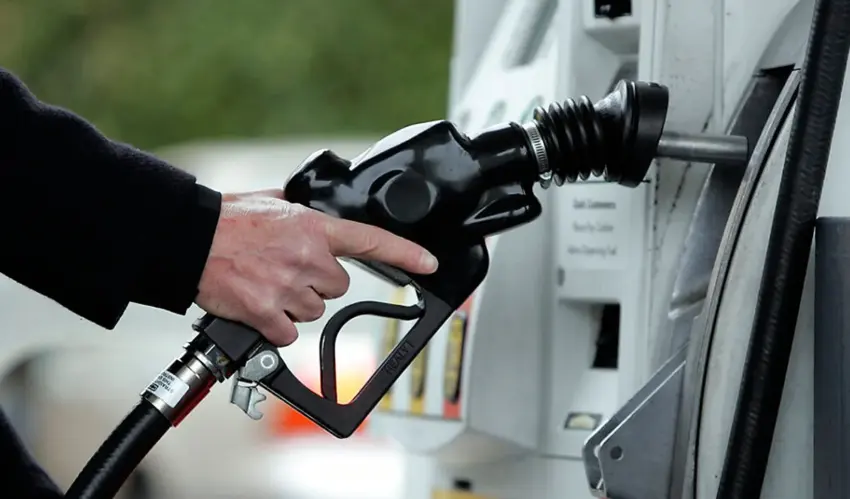
Photo: AP
According to Eurostat, prices rose by 44.1 per cent in Estonia, 42.8 per cent in Bulgaria and 42.3 per cent in Lithuania. In a further 11 EU countries, the year-on-year increase exceeded 30 per cent. In Luxembourg and Finland, it stood at 36.6 per cent, and in Croatia at 31 per cent.
The most moderate rise was recorded in Hungary – 11.3 per cent. In Ireland, prices rose by 21.5 per cent, and in Poland by 21.9 per cent.
Annual price growth has slowed
After accelerating to 31.4 per cent in September, the annual rate of price inflation fell to 29.5 per cent in October. In August, this figure stood at 23.8 per cent.
At the same time, certain types of fuel became cheaper over the month: diesel by 0.2 per cent and petrol by 3 per cent compared with September. Thus, the monthly decline does not negate the significant price rise compared with last year.
How this affects car journeys
Rising fuel prices increase motorists’ costs and make long-distance journeys more expensive. Companies organising tours and transfers are facing an additional burden: the rise in fuel costs may also be reflected in the price of their services.
However, Eurostat statistics show changes in consumer prices for fuel and lubricants for private transport. They do not directly reflect the costs incurred by transport companies and do not allow us to assess the extent to which the price rise has already affected carriers’ fares.
Follow our updates
Have information for the newsroom? Share it with Logos-Press





















Comments
0No comments yet. You can start the conversation.
Comments are open to readers with a Logos Press account.
Sign in to comment