

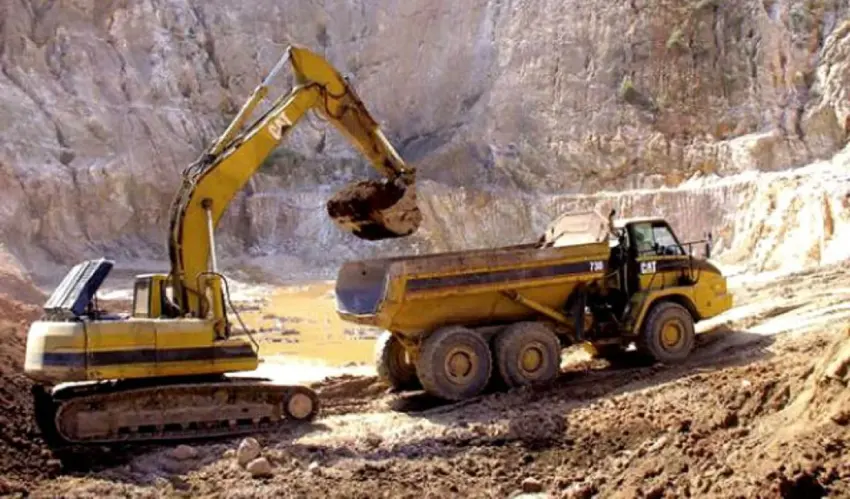
Leaders of the United Nations, the African Union, the Organisation of Latin American and Caribbean Energy, and the Association of Southeast Asian Nations have called for concerted action to ensure that such mineral extraction contributes to more inclusive growth.
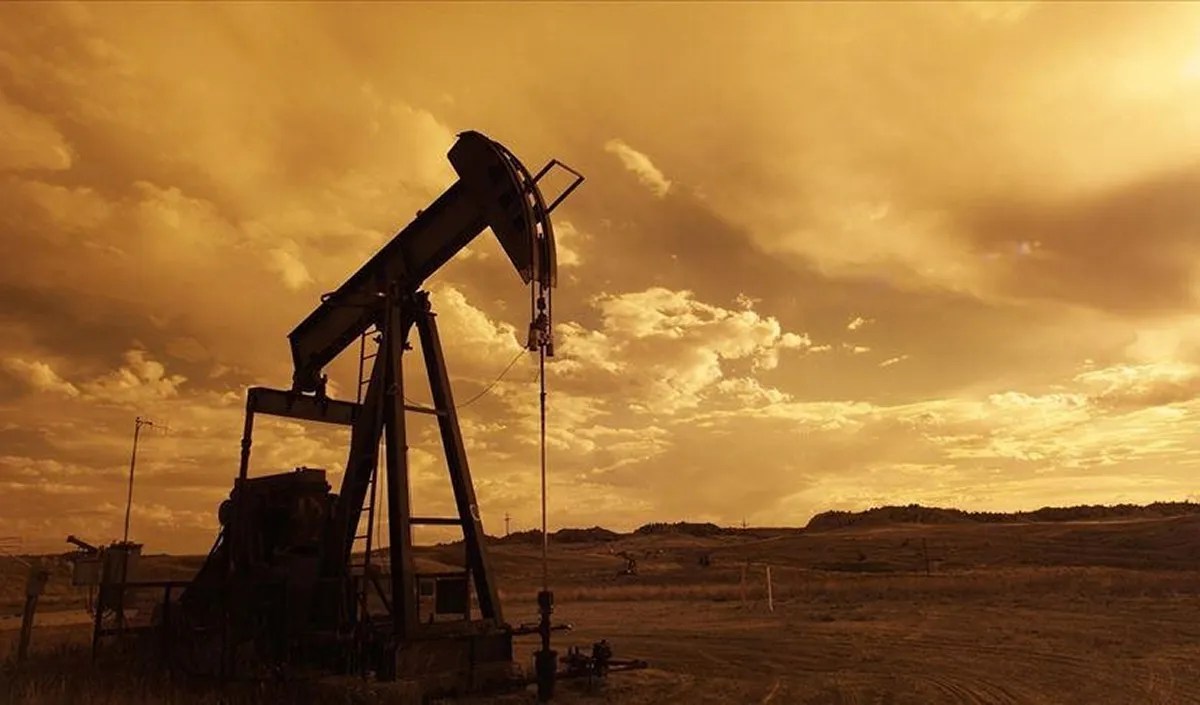
But just as a consensus was beginning to emerge on how to support a just ‘green’ transition, the race for AI gathered pace. This technology shares a common starting point: minerals. Huge quantities of copper, aluminium, lithium, cobalt and other minerals are now also required for AI infrastructure, particularly for data centres.
In the first half of 2026 alone, the G7 countries announced 195 projects for the extraction of critical minerals worth €64 billion ($70 billion), whilst the World Bank plans to increase funding for metal and mineral extraction to $19 billion between 2026 and 2030. UN Secretary-General António Guterres has predicted that AI will lead to an even greater than expected rise in demand for minerals and create a risk of competing demand.
Exploitation rather than justice and equality
However, discussions on the environmental and institutional risks of AI have so far overlooked the fact that mineral extraction is the first stage in the technology’s value chain, and have failed to take into account the associated risks and opportunities.
Whilst Americans are protesting against the amount of water data centres might consume, copper and lithium mining in some mining regions of Chile is already consuming two-thirds of the water supply. Warnings that AI-induced unemployment will lead to the emergence of a permanent underclass have overshadowed the growing human rights abuses in mines. And against a backdrop of growing concerns about the military use of AI, which could lead to mass casualties, conflicts over coltan and other minerals essential for AI are claiming the lives of dozens of people in the Democratic Republic of the Congo.
As AI drives demand for minerals, shaping markets and transactions, the question arises: how can we tip the balance towards justice and equality for the people of mineral-producing countries, rather than towards exploitation?
Part of the answer lies in policymakers and negotiators at key global forums – whether those dedicated to AI or the energy transition – committing to fair mining policies.
In this regard, the decision on the Work Programme on a Just Transition, recently adopted at the UN Climate Change Conference (COP31) in Antalya, is a long-awaited step, as it explicitly links critical minerals to a just energy transition and recognises the importance of fair value-added chains that promote local value creation.
How to establish a just transition mechanism
Expanding processing and beneficiation capacity would help developing countries derive greater benefits from their mineral resources. According to the International Energy Agency, local processing could increase the value of mineral products extracted in Latin America and the Caribbean by approximately 45 per cent.
However, despite the ‘Global South’ countries’ ambitious goals for creating added value, they still lack the necessary funds and technical expertise.
Findings from an upcoming study by the Institute for Natural Resource Management show that only one in three value-addition projects in Africa has secured the necessary funding. Multilateral development banks and the governments of mineral-consuming countries can bridge this gap by funding the development of sound projects and the creation of new infrastructure.
As the host country for next year’s Conference of the Parties (COP), Ethiopia can establish a just transition mechanism to help ensure that mineral extraction contributes to development.
Ensuring that the human rights of frontline communities are safeguarded – which may include building on the efforts of developing countries – will be crucial to this process. The Chair of the African Negotiating Group on Climate Change has proposed drafting a new treaty on minerals at next year’s Conference of the Parties (COP) in partnership with the G20.
This would allow the UK, which has made artificial intelligence (AI) and debt reform the top priorities of its G20 presidency in 2027, to link the energy transition to the AI agenda. It would also enable the UK to advance the investment strategies and targets set out in the G20 Framework on Critical Minerals for 2025, which could redistribute more wealth and opportunities in favour of mineral-producing countries.
A lack of transparency in deals perpetuates injustice
Whilst international agreements are of great importance, it is mineral resource deals that ultimately determine whether developing countries will be able to secure a fairer share of this new boom.
Unfortunately, of the more than 200 mining projects announced this year alone, the majority are shrouded in a lack of transparency. Governments must fully disclose information on any bilateral or multilateral agreements they have signed concerning trade in mineral resources, as well as on any related contracts with mining companies.
Disclosure should also extend to end uses, so that it is clear ‘whether the mineral will end up in a battery, a rocket or a data centre’, as the UN Special Rapporteur on climate change and human rights, Elisa Morgera, recently noted.
Greater transparency is an important step towards empowerment and participation in decision-making, which is key to achieving fairer outcomes. Armed with this information, citizens can assess whether agreements align with current and future development priorities, and hold companies and governments to account for delivering on their promises.
Such transparency is particularly important at a time when profit-driven mining companies and their allies in government are seeking to accelerate extraction. However, the relaxation of environmental standards, the disregard for the interests of local communities and the fast-tracking of mining licences could lead to conflicts, production delays and even the suspension or abandonment of projects.
Governments and companies vying for minerals for AI must heed the calls from investors and the G7 to tighten standards in the mining sector, as protecting people and the planet is crucial to ensuring a steady supply of critical resources.
The intense focus on AI provides an opportunity to promote fair and inclusive agreements, regulations and practices within the mining sector, which are essential for a just ‘green’ transition.
Taking into account the needs and ambitions of mineral-rich developing countries in the discussion on the G7 will help ensure that local people and communities are protected from the risks associated with this rapidly growing demand, and will enable them to share equitably in the value they create.

Suneta Kaimal,
President and Chief Executive of the Institute for Natural Resource Management.
©: Project Syndicate, 2026.
Follow our updates
Have information for the newsroom? Share it with Logos-Press















Comments
0No comments yet. You can start the conversation.
Comments are open to readers with a Logos Press account.
Sign in to comment