


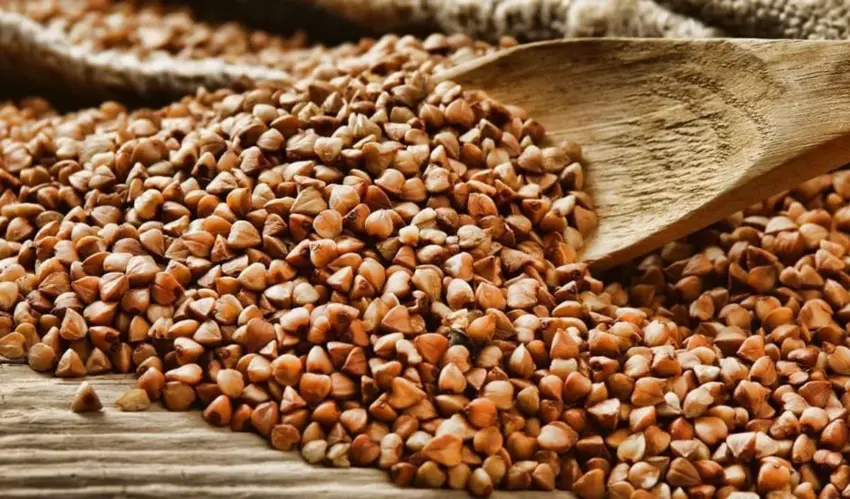
Photo: Colourbox
The ban does not apply to supplies to countries of the Eurasian Economic Union (EAEU), humanitarian aid, or exports under international intergovernmental agreements. The measure also does not affect supplies to Abkhazia and South Ossetia, notes Agroinvestor.
According to the source, in 2026 Russian farmers sowed around 708,000 hectares with buckwheat, compared with 751,000 hectares the previous year. This is the smallest area sown since 1990.
Production is also falling. In 2025, Russia harvested 926,000 tonnes of buckwheat, compared with 1.2 million tonnes in 2024. Stocks at procurement and processing enterprises had fallen by 30 per cent by 1 October 2026 compared with the previous year, to 130,000 tonnes.
In the first ten months of 2026, Russia exported buckwheat worth approximately $65 million. China was the largest buyer, purchasing around 157,000 tonnes worth $56 million.
It is noted that the last time Russia imposed a ban on buckwheat exports was in 2021. At that time, the restrictions remained in place for three months.
For Moldova, which sources buckwheat from Russia amongst other places, the ban could lead to higher import costs if a reduction in the supply of raw materials causes prices for Russian buckwheat groats to rise. However, as the decree currently applies to the export of unprocessed buckwheat rather than finished groats, it does not imply a direct halt to supplies to Moldova.
This story was translated with the assistance of artificial intelligence.
Follow our updates
Have information for the newsroom? Share it with Logos-Press



















Comments
0No comments yet. You can start the conversation.
Comments are open to readers with a Logos Press account.
Sign in to comment