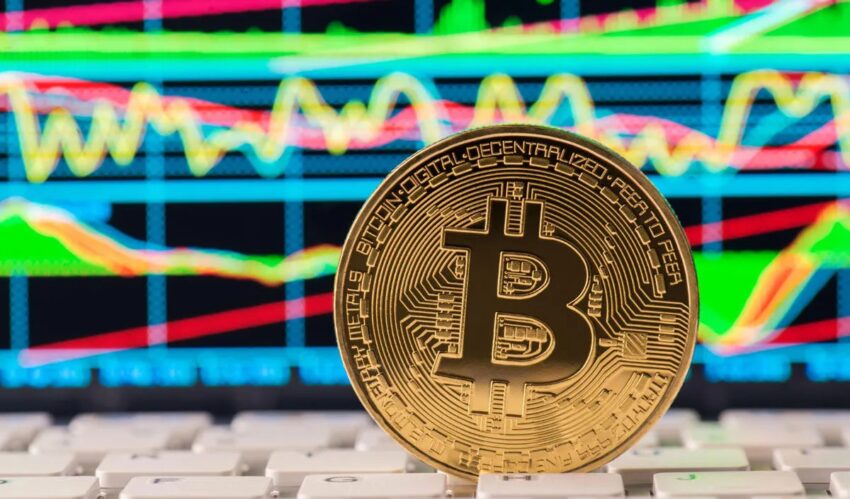
On Sunday, May 24, bitcoin (BTC) was trading around the $71.5 thousand mark, its price has declined by about 1.5% over the past week.
Specialists commissioned by RBC analyzed the situation on the market and assessed the prospects for the bitcoin exchange rate for the next seven days.
“Do not try to trade on headlines”.
Independent investment advisor and founder of GBIG Holdings Rufat Abyasov
After a rather powerful rebound on Thursday, May 14, we have seen an almost daily recoilless correction in the first cryptocurrency on daily timeframes. The rebound from $79,000 to $82,000 was triggered by the announcement that the U.S. Senate Banking Committee approved the Clarity Act, a bill on the crypto market.
But already this Monday, May 18, BTC opened at $76,950 – Trump canceled the planned strikes on Iran, but did not offer a clear truce. On Wednesday, May 20, Trump told the press that “the war will end very soon”, oil retreated a bit, BTC rose to $77,300.
On the same day, the US Federal Reserve released the minutes of its April meeting (the last one led by Jerome Powell). The text of the minutes sounded quite tough: the committee fixed the rate at 3.50-3.75% and gave no hints of a decrease. Some analysts after the publication of the minutes expect a 25 basis points rate hike in July. The market reacted with restraint, BTC remained around $77,000.
Large institutional cryptocapital moves are also worth noting: BlackRock moved 5,847 BTC (about $450 million) to Coinbase Prime on May 19. This is an operational move to service the company’s bitcoin-ETF (iShares Bitcoin Trust, IBIT), but the scale is impressive.
Michael Saylor’s Strategy for 2026 has already bought about 77,000 BTC. According to River, that’s ten times more than all ETFs combined over the same period. The May 13 outflow from the ETF ($635 million, the largest in a day since late January) is still weighing on market sentiment.
On the other hand, according to CryptoQuant data, long-term holders have brought their balances to the highest since August 2025. They have added more than 316,000 BTC to their wallets in the last 30 days. Some are selling on the news, while others are silently buying in the meantime.
For Ethereum (ETH), the week has been more painful. Spot ether-based ETFs recorded net outflows for the second week in a row – totaling more than $430 million since May 11. JPMorgan issued a note to clients on May 19, saying that ethereum and altcoins will not catch up to bitcoin without a surge in network activity and volume in DeFi.
What to track for the week (May 25-31)
There are three things to pay particular attention to. The first is the expiration of options on Deribit, the largest cryptocurrency exchange, on May 29.
According to CoinDesk, the exchange has accumulated $6 billion in open BTC positions – that’s more than the entire capitalization of IBIT BlackRock. Max pain (the level at which most options expire without profit) is $75,000. At the same time, traders are actively picking up $82,000 calls. If the bears sell the price below $75,000, there will be a cascade of liquidations and the downward movement will intensify. If the rate shoots above $80,000 – calls will start working and market makers will buy on the upside.
The second is the publication of PCE (Personal Consumption Expenditures) data in the U.S. on May 30. The Fed considers this indicator to be the main inflation target. For the first quarter of 2026, PCE came out at 4.5% – far from the 2% target. A soft April PCE will give oxygen to the thesis of slowing inflation and talk of a rate cut. A hot one will solidify the analysts’ position predicting a rate hike, and the market will start laying down for a rate hike.
Third, of course, is Iran. Trump has already talked twice this week about ending the war soon. So far, these are words. Concrete progress (scheduled talks, bringing in mediators) will send oil lower and support risk assets. Another breakdown in the negotiation process is the opposite story.
What will happen to the exchange rate
BTC: $74,000-79,000 range. An upward breakout with a target above $80,000, up to $85,000, is possible if PCE is soft and positive on Iran. Downside breakout ($74,000 – $72,000) – if PCE is hot and expiration on May 29 puts pressure on the spot.
ETH: $2,000-2,200. Until ETF outflows stop, Ethereum has no intrinsic driver for growth. Any movement in ETH will replicate the dynamics of BTC, only weaker.
The market is divided right now. On the one hand – hot inflation, tough Fed under new leadership of Kevin Warsh, war with Iran, outflows from ETFs. On the other, Strategy is buying up tens of thousands of bitcoins, BlackRock is operating in the hundreds of millions, long-term holders are accumulating at levels not seen since last summer.
In April, spot BTC ETFs raised $2.44 billion – nearly double the amount raised in March. The eight-day series of inflows from April 14-23 ($2.1 billion) was the longest since October 2025, when BTC was on its way to an all-time high of $126,000. In my opinion, the May outflows are a correction after a surge, not a trend reversal.
In my opinion, you should not try to trade on Iran headlines now, they are unpredictable by definition. Look at PCE, ETF outflows/inflows data and the behavior of long term holders. If they continue to buy and your horizon is more than a quarter, the current $75,000-77,000 zone might be a good entry point.
But it is reckless to enter in full at this macro backdrop. It would be much more reasonable to enter positions in installments as the price movement becomes clear, with protective orders placed.
“Some of the positive factors are already reflected in prices”
Managing Partner of VG GROUP Vagiz Nurullov
As the spring period comes to an end, financial markets traditionally enter the phase of seasonal decrease in activity. Summer months are usually characterized by lower trading volumes, moderate business dynamics and increased sensitivity to the news background.
At the current stage, the cryptocurrency market, in particular bitcoin, remains under pressure from a combination of fundamental and geopolitical factors. A significant part of positive expectations has already been realized in prices in May. In particular, the adoption of the law on the regulation of the cryptocurrency sector turned out to be too visible and pre-planned in the price.
The situation in the Middle East remains an additional source of uncertainty. Despite the continuing positive tone of some statements, the rhetoric of US President Donald Trump continues to indicate the likelihood of further escalation of the conflict. Regular statements about the possibility of new strikes and increased pressure on Iran form a stable geopolitical risk-premium for investors.
Against this background, the baseline scenario assumes bitcoin will remain in the range of $73,000 – 79,000. A significant impetus for growth is possible only if a positive scenario is realized, including the opening of the Strait of Hormuz, lower oil prices and the subsequent easing of inflationary pressure in the United States.
Continuing institutional purchases, including the activity of Michael Saylor Strategy, can act as an additional support factor. Although at the moment they are still not enough to form a stable uptrend.
At the same time, investors should take into account that most of the locally positive factors have already been reflected in market prices. The main source of volatility in the coming months is likely to remain the foreign policy agenda, as well as macroeconomic signals from the US.
Special attention should be paid to the state of the U.S. stock market: its correction can increase pressure on risky assets, including cryptocurrencies.
At the time of writing (Monday 10:15 Kishinev), the bitcoin exchange rate rose to $77,586.
Follow our updates
Have information for the newsroom? Share it with Logos-Press