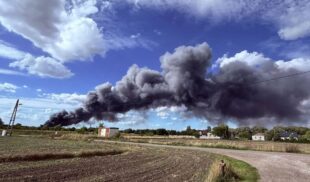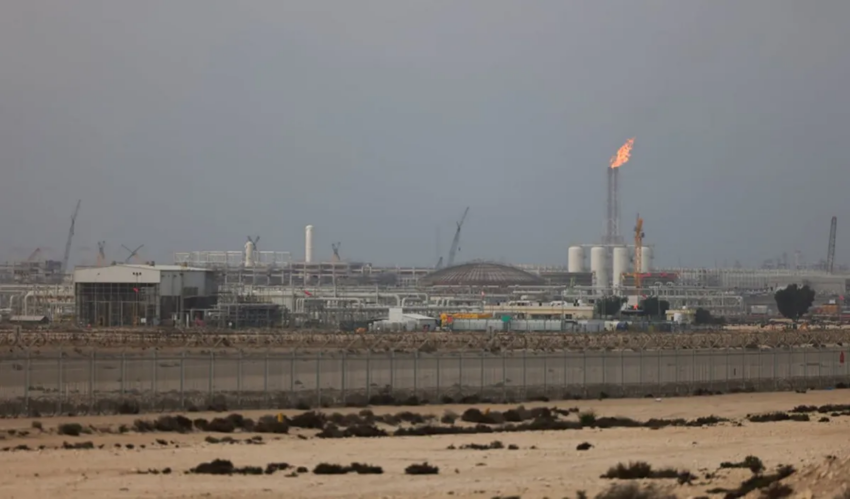
The Qatari government’s decision followed an attack on a gas tanker near the Strait of Hormuz, as reported by Logos Press. This indicates that the ongoing tensions in the Middle East are beginning to affect not only maritime transport but also the long-term investment plans of the world’s largest LNG exporter.
Geopolitical risk extends beyond logistics
Until recently, the market viewed attacks on ships in the Strait of Hormuz primarily as a threat to short-term oil and gas supplies. However, Qatar’s decision points to a more profound impact.
According to Bloomberg, the country’s authorities decided to pause the promotion of new initiatives to increase LNG exports after the Al Rekayyat LNG carrier sustained damage following an attack off the coast of Oman. This is the first such incident involving a Qatari LNG tanker since the start of the current crisis.
The publication emphasizes that Qatar remains one of the world’s largest suppliers of liquefied natural gas and plays a key role in supplying Europe and Asia following the reduction in Russian gas supplies.
If maritime safety concerns begin to delay investment decisions by major producers, this could lead to a slowdown in the growth of global LNG supply in the coming years. Such a scenario could support higher gas prices and increase uncertainty for importing countries.
A Signal for the Energy Market
At the same time, Bloomberg emphasizes that Qatar’s decision should not be viewed as breaking news. It shows that investors are increasingly viewing the conflict surrounding the Strait of Hormuz not only as a short-term factor driving oil price volatility but also as a risk to global energy projects.
Therefore, Qatar’s decision may be one of the first signs that geopolitical instability is beginning to shift the strategy of the world’s largest LNG market players.
Follow our updates
Have information for the newsroom? Share it with Logos-Press