

Foto Guglielmo Mangiapane / Reuters
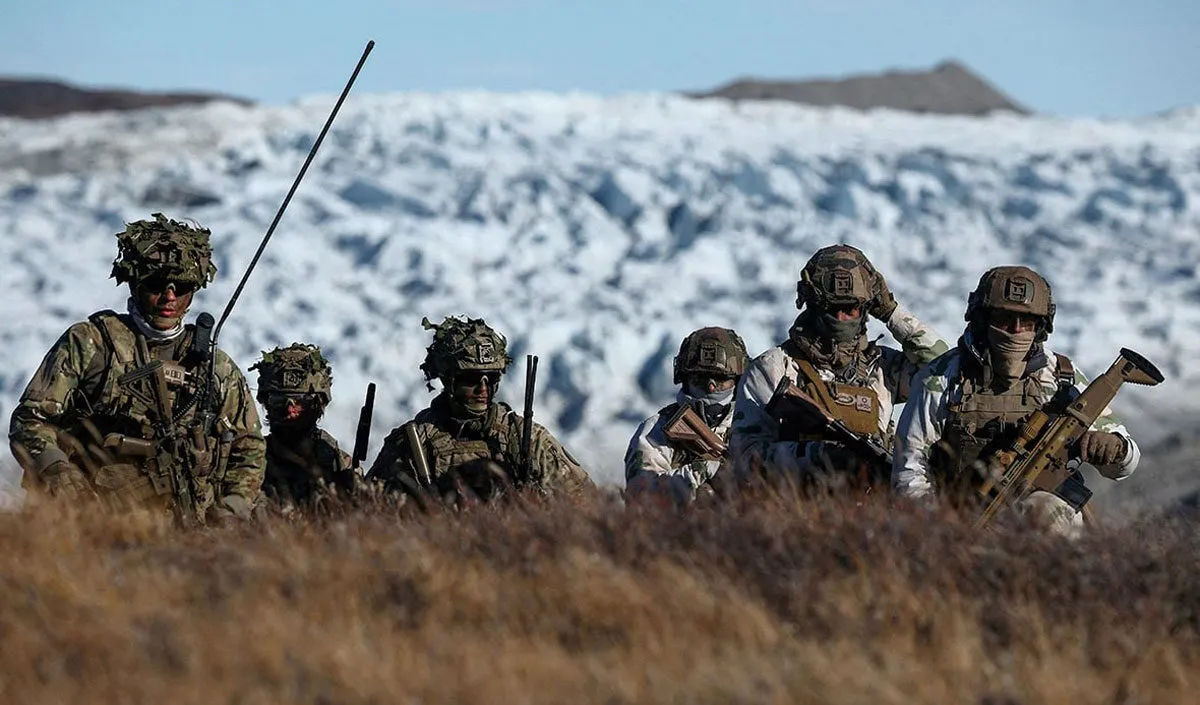
The young servicemen are taking part in the Arctic Endurance exercises, where they are practising combat skills and survival in conditions of extreme cold. For them, this is their first taste of service in one of the harshest regions of the Kingdom of Denmark.
“This demonstrates our presence – that we are here and are not just thinking of ourselves. We are also thinking of the people of Greenland,” David, a 19-year-old conscript, told Reuters.
The deployment of conscripts is part of an expanded Danish military training programme. Its aim is to prepare service personnel for operations in an Arctic climate, where troops face low temperatures, a lack of infrastructure and challenging terrain.
“Our role here is to continue training the conscripts and gain more experience of training in Arctic conditions,” said company commander Captain Laura Jepsen.
Greenland has been at the centre of international attention in recent months following repeated statements by US President Donald Trump expressing a desire to purchase the island. Officials in Washington claim that their interest in Greenland is driven by national security considerations. Copenhagen and the Greenlandic authorities have rejected the possibility of transferring the territory to the US.
Against this backdrop, Denmark has pledged to allocate billions of dollars to strengthen Arctic defence, acknowledging years of underfunding in the region.
Military activity in the Arctic is also on the rise against the backdrop of NATO’s standoff with Russia. Moscow describes the alliance’s expanding presence as a direct threat to security. China is stepping up its economic and strategic activity in the region, including through cooperation with Russia.
The deployment of conscripts to Greenland has been one of Copenhagen’s first practical steps towards strengthening its military presence in the Arctic.
Follow our updates
Have information for the newsroom? Share it with Logos-Press




















Comments
0No comments yet. You can start the conversation.
Comments are open to readers with a Logos Press account.
Sign in to comment