

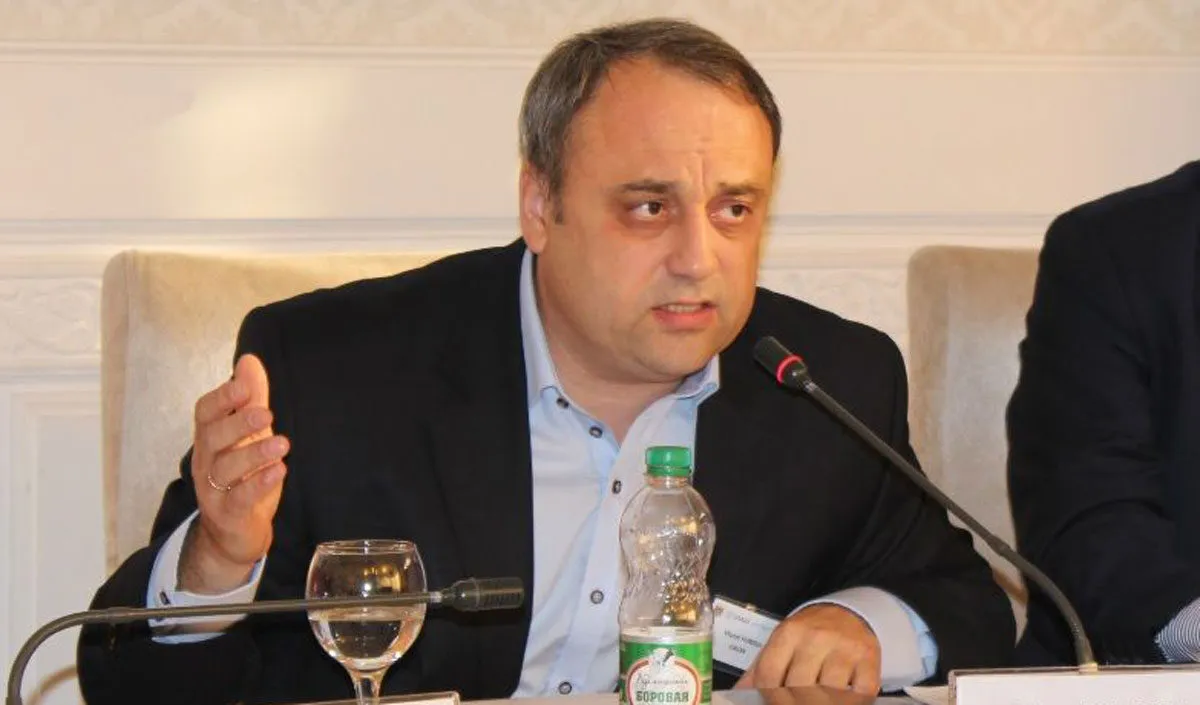
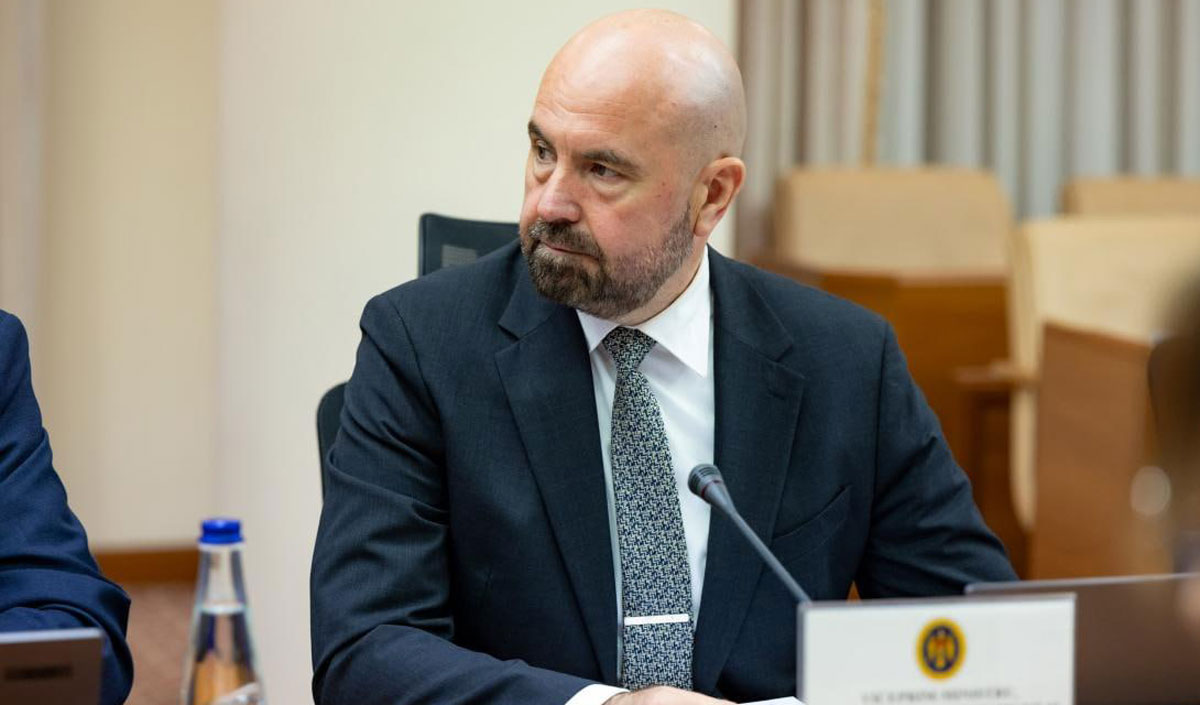
Viorel Furdui
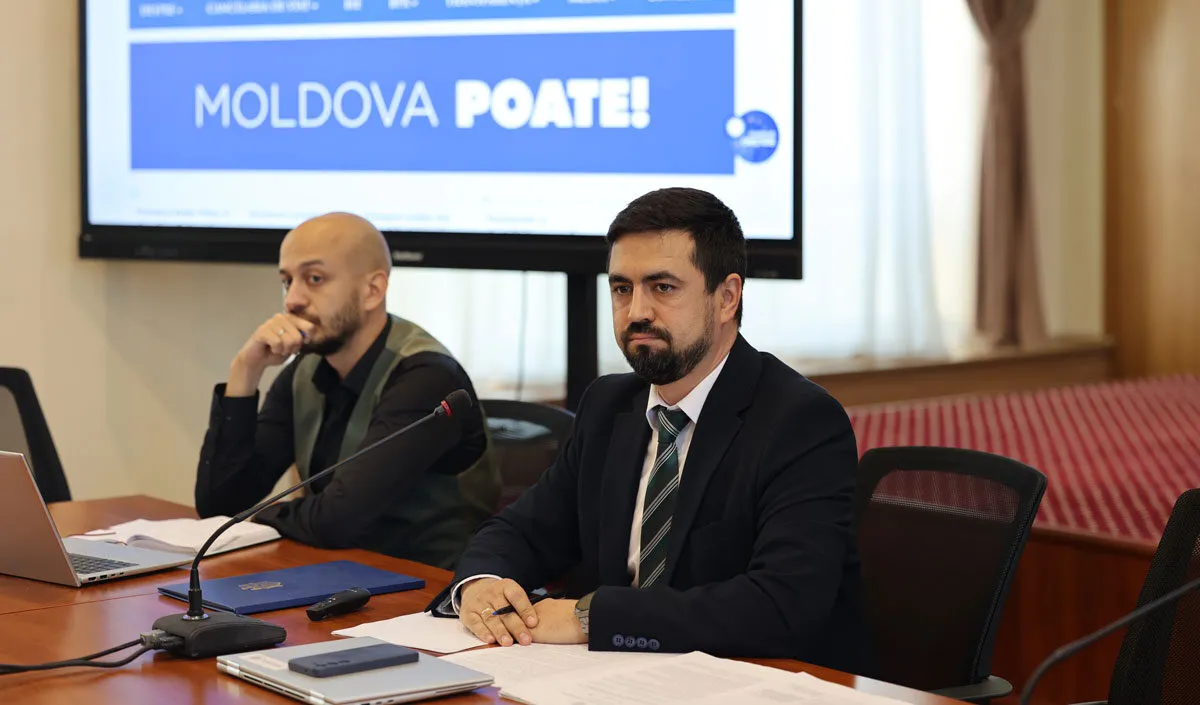
‘Administrative and territorial reform in its proposed form means that the state is withdrawing from more than two-thirds of municipalities and from approximately 700–800 rural settlements, leaving nothing of substance in its place. I call this ‘administrative desertification’ – villages without a mayor, without a municipality, with increasingly remote services and people whom nobody asks about anymore,” says Furdui.
Why ‘Shora-isation’? Because I’ve seen this film before. The Shora phenomenon did not come out of nowhere. It emerged where the state was absent: amongst vulnerable people who had remained out of the authorities’ sight for years. Someone noticed them, ‘helped’ them and turned them into a political base. We all know the result: significant political capital, influence in parliament, dominance across entire regions, and serious political and social problems for the whole country.
Now we risk repeating the same mistake, only on a national scale and through legislation. Disappointment, tension and a decline in the quality of services are here to stay. Someone will reap the rewards, and that someone will certainly not be the state.
And the timing could not be worse. We face elections for three years running: local, presidential and parliamentary. It is in these elections that the country’s future and its path towards Europe will be decided. It is during this period that the consequences of the reform will be most evident: the administrative chaos already on display, its gaps and shortcomings, and a failure to grasp the complexity of such a process. All this is already plain to see. In other words, we are paving the way for those who are just waiting to take advantage of the situation, precisely when the stakes are highest.
The conclusion is simple. Ignoring this risk is a strategic mistake – and a very dangerous one at that. No one is saying that the reform should not be carried out. We are saying that it must not be carried out in this way: in haste, from behind closed doors, over the heads of the people, and at the cost of abandoning hundreds of villages.
A reform that leaves an administrative wasteland in its wake does not modernise the country; it makes it vulnerable. Every closed town hall where nothing is being done is an open door for those who profit from people’s discontent.
That is why we ask for one simple thing: stop and listen to those who know the true state of affairs. The state must remain in every settlement, not abandon it. Otherwise, in a few years’ time, we will be discussing not the effectiveness of the reforms, but who has benefited from them. And we will not like the answer.
This story was translated with the assistance of artificial intelligence.The translation was also reviewed by the Logos Press editorial team.
Follow our updates
Have information for the newsroom? Share it with Logos-Press













Comments
0No comments yet. You can start the conversation.
Comments are open to readers with a Logos Press account.
Sign in to comment