

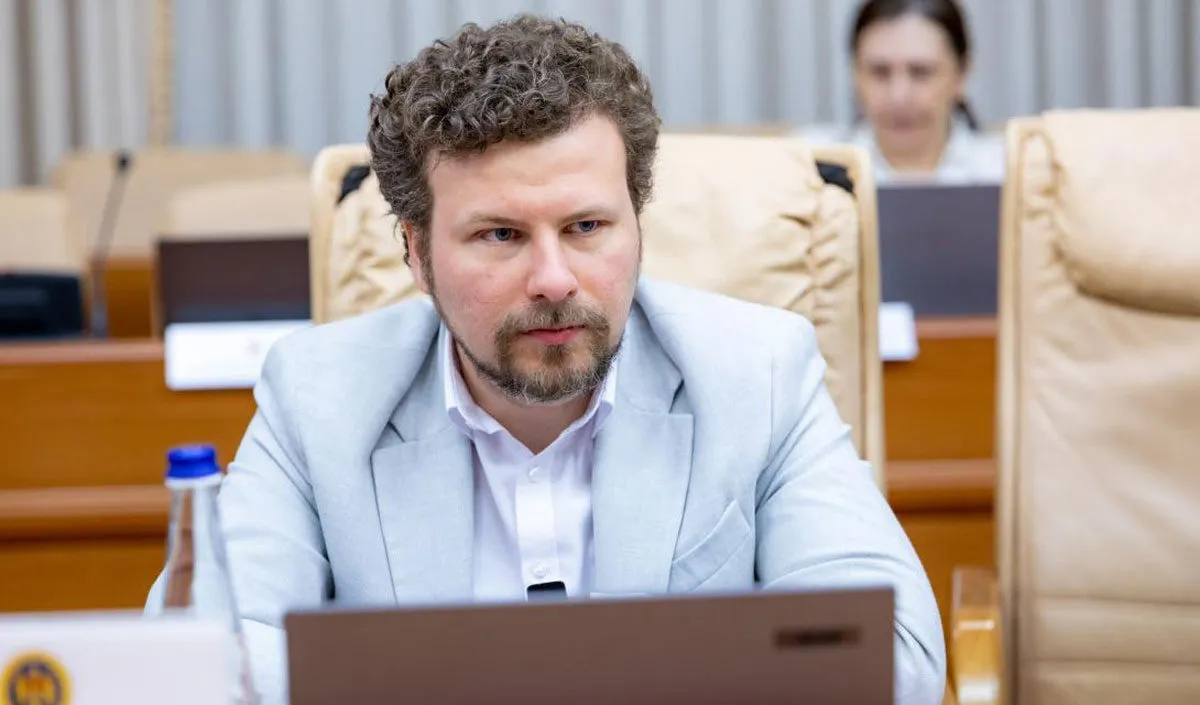
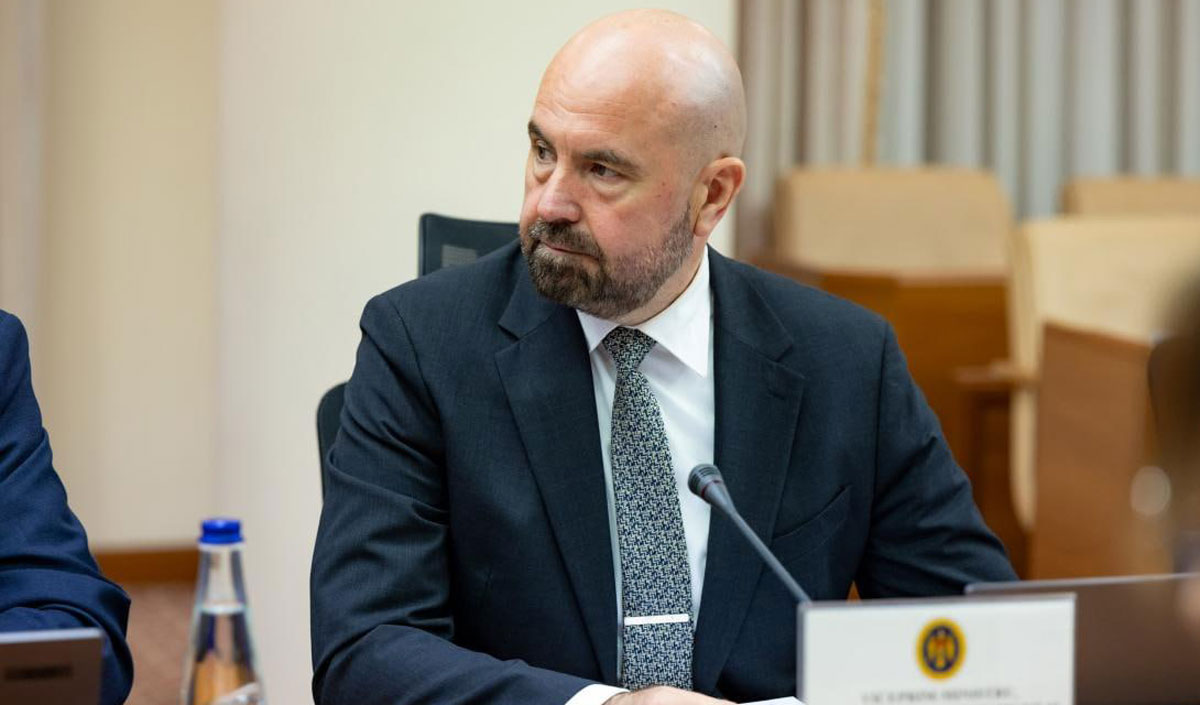
Dan Perciun
At present, funding is based on a historical mechanism, in which allocations are indexed year on year, without sufficient differentiation between fields of study. According to the minister, the new formula will apply the principle of ‘funding follows the doctoral student’, so that funding reflects the actual costs of research.
“We have a new decision that will follow the principle that funding follows the doctoral student. Each type of doctoral programme has different costs. Objectively speaking, the costs are higher for a technical specialism than for a social sciences or humanities specialism,” explained Dan Perciun.
Funding for part-time studies could be limited
The authorities are also considering the possibility of amending the conditions under which the state funds part-time PhD programmes. The Ministry intends to determine whether budgetary support should be directed more towards PhD students who study full-time and receive a scholarship.
“We will decide when we will no longer fund part-time PhD students. For state-funded places, this will mean full-time PhD programmes, with a clear scholarship and the subsequent possibility of employment at a university or research institute,” the minister stated.
At the same time, PhD students’ scholarships could rise to 70 per cent of the average national wage. Currently, these stand at 4,000 lei, following several increases over the past two years. Previously, scholarships were around 1,200–1,300 lei.
‘Vetting’ for doctoral schools
The new funding formula will also take into account the results of the external evaluation of doctoral schools, which is due to be completed by 2027. The authorities will analyse the number of doctoral schools, their capacity and the number of doctoral students they can train.
“Fewer doctoral programmes, more doctoral students. We need to determine what the acceptable minimum is for a doctoral programme. Can you have a doctoral programme with 20 doctoral students, or not? These are the kinds of questions we need to clarify in the coming period,” said Dan Perciun.
According to the minister, the reform aims to improve the quality of research and the credibility of doctoral degrees awarded in the Republic of Moldova, as well as to integrate doctoral studies into a career path that offers young people employment prospects at universities and research institutes.
“The stakes are clearly much higher than simply disbursing European funds under the Growth Plan. It is about establishing a well-organised research system and ensuring the unquestionable quality of doctoral studies in the Republic of Moldova, so that their credibility increases significantly, including in the eyes of our external partners and countries in the region,” the minister stated.
This story was translated with the assistance of artificial intelligence.The translation was also reviewed by the Logos Press editorial team.
Follow our updates
Have information for the newsroom? Share it with Logos-Press










Comments
0No comments yet. You can start the conversation.
Comments are open to readers with a Logos Press account.
Sign in to comment