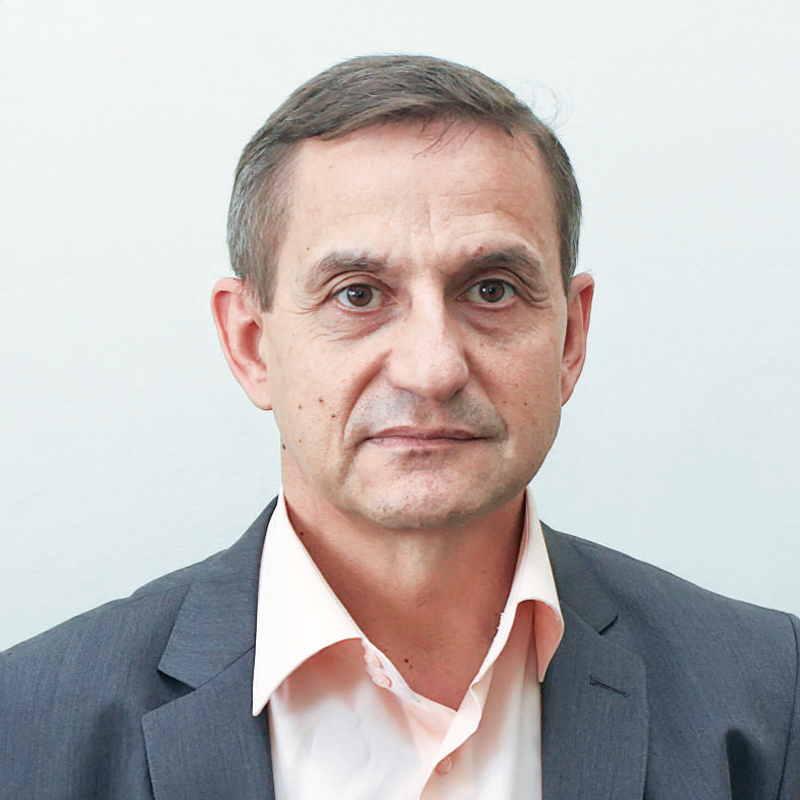

Ion Sturza
People have been asking me a lot lately: What’s wrong with the tax reform? That’s right—what’s wrong with it, not what’s good about it.
I won’t give a definitive answer, although I may have some experience that would allow me to make such an assessment. I participated in a similar reform in 1998–1999. At that time, the tax system was deeply distorted by a multitude of discretionary taxes and individual regimes that were impossible to apply fairly and transparently, including in matters of VAT deductions.
In my first days as Prime Minister, one of my main tasks was to eliminate such practices and transition exclusively to cash-based settlements with the budget. This was the first step toward restoring economic logic to the functioning of the tax system.
From a technical standpoint, the measures proposed today are sound and consistent with the recommendations of the International Monetary Fund.
The goal of the reform is not only to create a more balanced and simpler system but also to increase the amount of revenue that the economy channels into the budget system, including through higher indirect taxes and excise taxes.
All of this is in line with the policy being pursued by the current government in Chisinau: to collect more resources and redistribute them.
However, questions remain regarding social justice and the value of labor.
How will the “bring-out-of-the-shadows” of employment take place? How will the public sector’s wage system be reformed and revised?
I also believe that civil servants should receive decent salaries. But how high should they be? And at what pay level can we say that the incentive for corruption disappears?
Risk to Economic Growth
At the same time, the authorities are talking about “rationalizing” government spending. This raises questions from the perspective of economic theory.
Simultaneously raising taxes and cutting government spending is a path that is highly likely to lead to an economic slowdown or even a recession in the short and medium term. Romania’s experience in this regard is telling.
Yes, we have a huge problem with the budget deficit and the current account deficit. We are largely living off loans and credit. From the perspective of a sustainable economy, this model cannot continue indefinitely.
We need rapid and sustainable economic growth.
And the main question is this: what should we do first? Stimulate economic growth, or extract additional resources from what remains—including the population—through sustained inflationary pressure?
If the perspective of financial technocrats—who focus primarily on balancing indicators—prevails, we risk losing sight of the prospect of economic growth.
Spreadsheet models do not always reflect the complexity of the real economy.
Reform requires not only calculations but also political dialogue
There is another dimension to this reform—the political and social one.
The current government prides itself on its status as a technocratic cabinet. And there are good reasons for this: the economic team consists largely of former consultants to international financial organizations. These are people who have spent decades creating models, scenarios, and presentations.
They know full well that such policies have worked successfully in most countries primarily as stabilization tools during serious crises.
However, they have been a source of economic growth far less often. Moreover, in some cases, such approaches have contributed to prolonging the crisis and exacerbating social problems.
Countries that implemented innovative tax policies focused on structural economic transformation, attracting investment, and stimulating growth proved to be more successful. At the same time, they paid attention to the social consequences of reforms, as well as to communication and dialogue with those directly affected by the changes.
In Moldova, consultations do take place. But they are often accompanied by a sense of superiority on the part of government officials. Sometimes they lack the patience to explain their position and listen to the arguments of other parties.
In 1998, we made similar mistakes. I, too, considered myself a technocrat. Perhaps if there had been more of a political approach and dialogue back then, the situation in the Republic of Moldova today might be different.
The main task is to maintain a balance
My conclusion is that we still have time to adjust both the overly simplistic and exclusively fiscal expectations of technocrats and the expectations of the business community.
There is a lot of work to be done—including by members of parliament and opposition representatives.
But turning tax reform into yet another political conflict would be a mistake. Unnecessary confrontation is particularly dangerous at a time when the country is going through a crucial stage of negotiations on accession to the European Union.
At the same time, the main economic challenge on the path to integration remains the same: to ensure economic growth and enhance the ability of domestic businesses to adapt to the competitive environment of the EU.
This is a complex formula with serious economic, social, and political implications. And it is precisely this comprehensive aspect, it seems to me, that proponents of the technocratic approach sometimes tend to underestimate.


