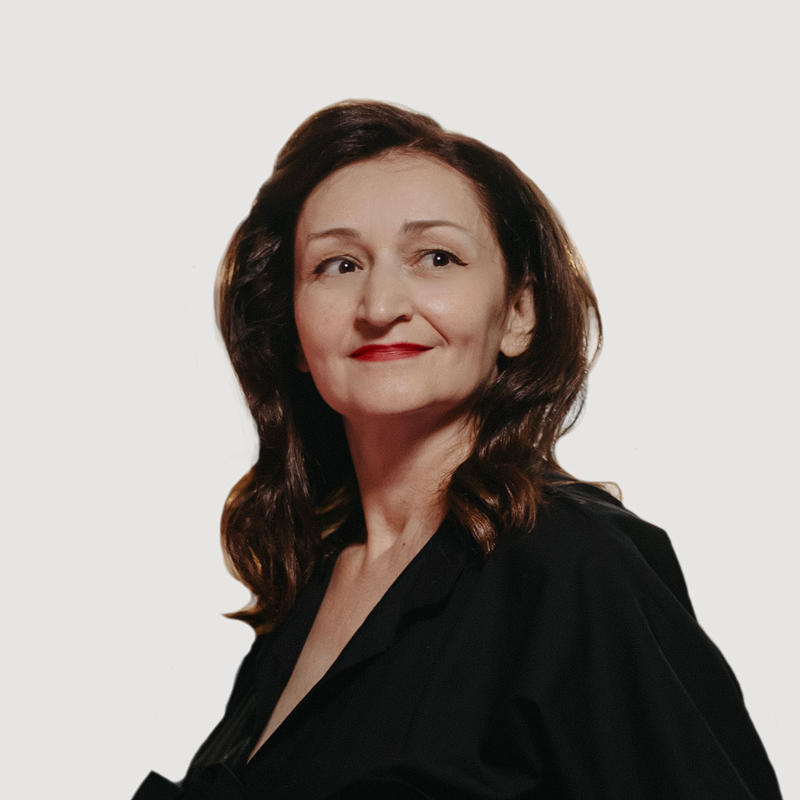

Máté Csicsai
Máté Csicsai, Head of the Political Department of the EU Delegation in Chisinau, said at the European Integration Forum that Moldova is a “relatively new” candidate, and in this process it is not so much the stages but the results achieved that are important. He said that citizens expect concrete results, such as connection to SEPA, roaming with the EU and participation in European programs.
“Moldova is a relatively new candidate and the country still has a lot of work to do to reach a certain level of preparation. One of the most important conclusions of the enlargement process is that the deadline set by the government for EU accession is ambitious, but realistic if the reform process is accelerated,” he emphasized.
Chichai noted that strengthening administrative capacity and attracting qualified staff are key:
“Above all, it is about administrative capacity, which will be crucial. Significant progress has been made, but further strengthening of this element is necessary,” he said.
In addition, administrative-territorial reform is seen as critical to prepare local governments for accession:
“I want to emphasize administrative-territorial reform because it can have a significant impact on preparations for EU accession and on the ability of local authorities to effectively use European funds. This is a priority,” stated Mate Chichai.
He also emphasized the importance of political and social consensus, noting that European integration can strengthen national unity:
“European integration can be a factor in strengthening national unity and social cohesion, especially after an intense electoral period. The integration process should be as inclusive as possible at all levels, including political”.
Chichai added that political statements are important, “but much more important is the action of political forces – it will be decisive whether all political forces are really ready to massively support European integration.”


