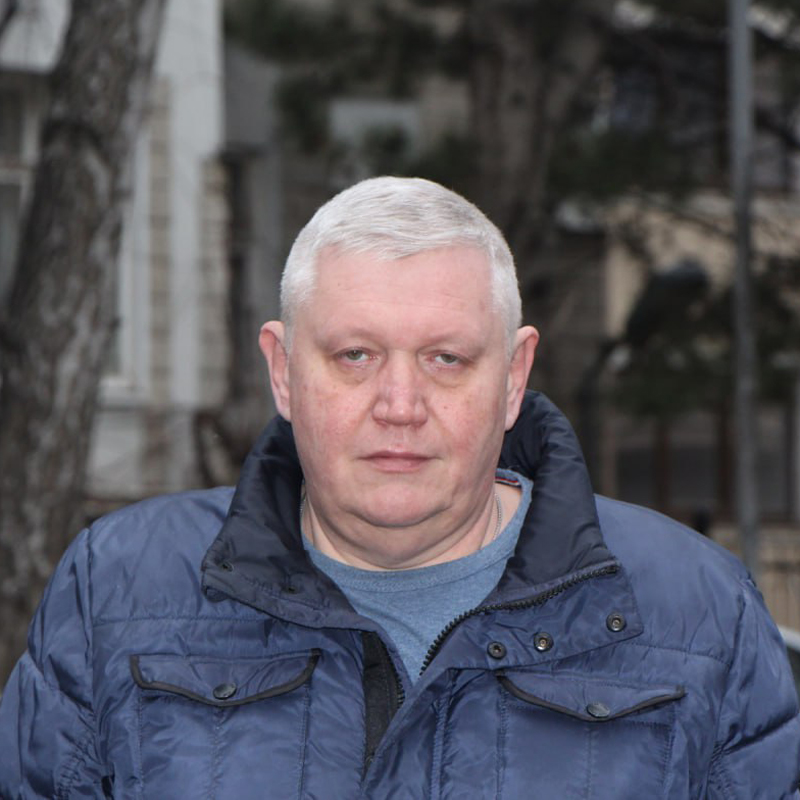

Mihai Isaac
“There is a tendency to draw parallels between the political crisis in the Republic of Moldova and the crisis in Romania. In Moldova, one could say that a political crisis is also unfolding, but not on the same scale as in Romania. In the Republic of Moldova, the parliamentary majority is held by the PAS party—55 seats out of 101 in the unicameral parliament in Chisinau. “Most likely, after President Maia Sandu completes the mandatory constitutional steps, they will have the necessary candidates for the post of prime minister within a few days,” — the analyst stated during a live broadcast of the television program *Puterea Știrilor*, according to an exclusive report by psnews.ro.
The expert reviewed the options being discussed for the position of Moldova’s head of the executive branch, emphasizing that the future leader will face the same systemic problems that led to the resignation of the previous head of government.
“A number of names are circulating in the media, but there is no clear favorite yet. Candidates proposed have included Parliament Speaker Mr. Grosu, the current interim prime minister; Minister of Economic Development Mr. Eugen Osmochescu; and figures from the business world, such as Mr. Tofan. There is also discussion of the return of former Prime Minister Mr. Recean, Foreign Minister Mihai Popșoi, or Ms. Cristina Gerasimova, the coordinator of European integration efforts.”
In conclusion, the analyst emphasized the importance of this appointment, noting that the future prime minister could become the political successor to the current head of state.
“The future prime minister could occupy an important position among the frontrunners for the presidency of the Republic of Moldova. The presidential election will take place in 2028; current President Maia Sandu cannot run for a third term, and assuming the position of prime minister certainly paves the way for potential presidential ambitions. It is important for the Republic of Moldova to form a government as quickly as possible, as this is a sign of continued stability,” the political analyst concluded.


