Monetary policy
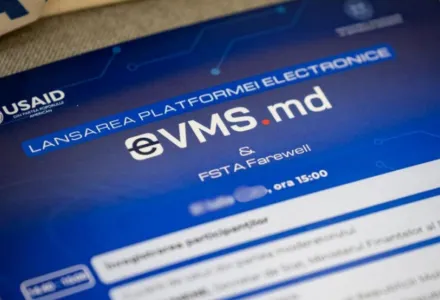
In March 2026, citizens invested about 30.4 million lei through the eVMS.md platform. This is much more modest than in the first two months of this year, when citizens purchased state securities worth 193.13 million lei.
The National Commission of Financial Market (NCFM) and the Inspectorate General of Police (IGP) are joining forces in the fight against financial fraud and cybercrime in Moldova. The agencies have agreed on a mechanism for joint actions and formalized it with a formal cooperation agreement.

The European Central Bank (ECB) kept rates unchanged, warning that tensions in the Middle East and risks in the oil market could stoke inflation. The baseline forecast is for 2.6% in 2026, but with energy shocks, inflation could rise to 3.5-4.4% depending on the duration of supply disruptions.

Officers of the Main Department for Combating Fraud of the State Security Service (SIS), led by prosecutors from the Prosecutor’s Office for Combating Organized Crime and Special Cases (PCCOCS), uncovered a money laundering scheme. It is estimated that the damage to the budget amounted to more than 173 million lei.

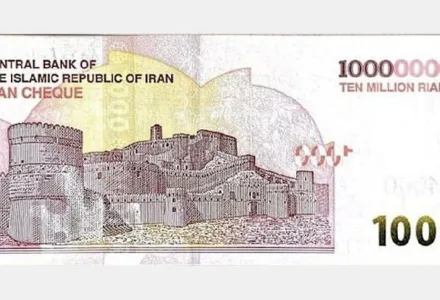
The Iranian authorities have put into circulation banknotes with a face value of 10 million rials, the largest in the country’s history. The decision was due to accelerating inflation and a sharp increase in demand for cash among the population.
WASHINGTON, DC – The purpose of international sanctions is to inflict economic damage on an adversary. If you’re the United States, you do this by seizing assets or banning transactions with certain countries, often targeting specific people or organizations close to the targeted regime. Given the global reach of the dollar system, U.S. sanctions tend to strike fear everywhere. But now the U.S. finds itself in the shoes of the one receiving them.

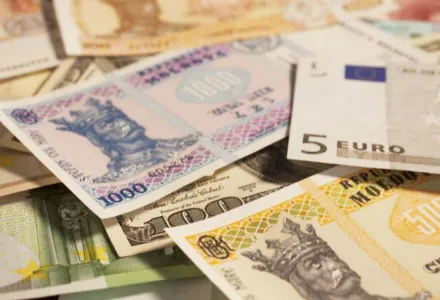
In February 2026, a significant cash outflow was recorded in Moldova: the volume of withdrawals exceeded their receipt in banks by 1,028 million lei, which emphasizes the increase in the population’s preference for cash.
Russia is preparing to cut military spending for the first time since the start of the war against Ukraine. But this reduction does not mean a weakening of war funding: the government is looking for ways to spend more efficiently.

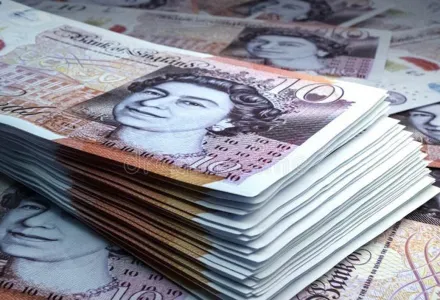
On Friday, March 20, the British pound fell in value due to rising oil prices, which worsened investor sentiment.
The Board of Directors of the Bank of Russia at a meeting on March 20 reduced the key rate by 50 basis points, down to 15%. This is reported by RBC with reference to the regulator. This is the seventh consecutive rate cut in the current cycle of monetary policy easing, which started in June 2025.

As a result of rising energy prices in the context of the geopolitical situation, inflationary pressures may intensify until the first quarter of 2027, in this regard, the National Bank of Moldova (NBM) partially updated its February forecast and went on high alert .
Austria wants to temporarily reduce the tax on mineral fuels: as a first step, the tax on diesel and gasoline is to be reduced by 5 euro cents per liter each, the Austrian federal government has announced.

New standards of consumer protection, on the one hand, and control over the activities of professional participants, on the other hand, are unlikely to cool down demand in the financial market. But, undoubtedly, they will add confidence to both sides of “money relations”.
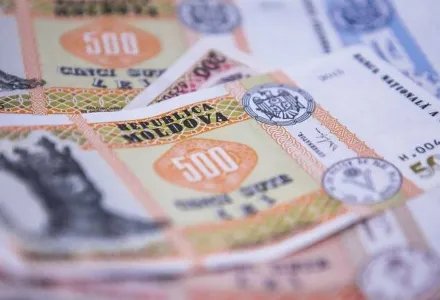
The Executive Committee of the National Bank of Moldova (NBM) at its March 19 meeting kept the prime rate at 5% per annum, leaving at the current level the norms of mandatory reserve requirements for commercial banks of the Republic of Moldova.

The signature of the recipient/supplier will not be required on the supplier’s copy of the tax invoice for the supply of services as well as electricity, natural gas, thermal energy, hot water and telecommunication services limited to telephony, internet and television services.

The quota trading system has divided EU countries at today’s summit. The 27 leaders agree that energy prices are a serious problem, but disagree on how to solve it.

The National Financial Market Commission (NFMC) has launched an online DAE (effective annual interest rate) calculator to help consumers objectively assess the cost of loans.

An information system “e-Zilier” has been developed in Moldova. It will concentrate information on employers – beneficiaries of unskilled labor, as well as on individuals performing such work for remuneration. In addition, it will reflect vouchers generated for day laborers, including the payment documents generated and their status.

US President Donald Trump, during a meeting at the White House, called on the Federal Reserve to hold a special meeting to cut the rate, The Wall Street Journal reports.

Moldova’s economy “looks better and better”. The projected growth for 2025 is 2.4%. The country’s rating has risen three notches. Lending to the private sector has grown “fantastically”. Anca Dragu, Governor of the National Bank of Moldova (NBM), said this at a public lecture for young people.