inflation
The National Energy Regulatory Agency (NERA) has set new maximum fuel prices that will be in effect tomorrow, March 24.

The Euro showed surprising stability last week, contrary to the broader change in sentiment over the energy crisis and was the target of a sell-off within a basket of G10 currencies.
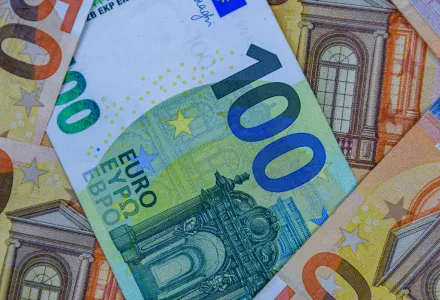
The European Central Bank (ECB) kept rates unchanged, warning that tensions in the Middle East and risks in the oil market could stoke inflation. The baseline forecast is for 2.6% in 2026, but with energy shocks, inflation could rise to 3.5-4.4% depending on the duration of supply disruptions.

The price increase for oil products in March has already had a double impact on the Moldovan economy. For the population, farmers and transporters, it means higher costs, additional pressure and the risk of higher prices along the entire supply chain. For the state budget, the same crisis means additional revenues from VAT and other taxes applied to the higher fuel price.

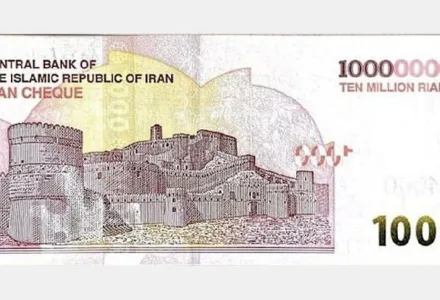
The Iranian authorities have put into circulation banknotes with a face value of 10 million rials, the largest in the country’s history. The decision was due to accelerating inflation and a sharp increase in demand for cash among the population.
WASHINGTON, DC – The purpose of international sanctions is to inflict economic damage on an adversary. If you’re the United States, you do this by seizing assets or banning transactions with certain countries, often targeting specific people or organizations close to the targeted regime. Given the global reach of the dollar system, U.S. sanctions tend to strike fear everywhere. But now the U.S. finds itself in the shoes of the one receiving them.

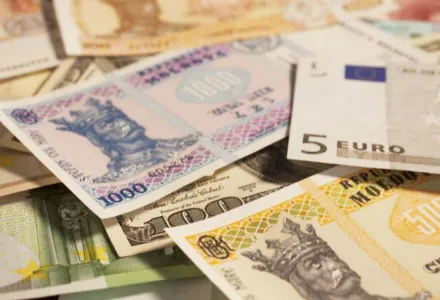
In February 2026, a significant cash outflow was recorded in Moldova: the volume of withdrawals exceeded their receipt in banks by 1,028 million lei, which emphasizes the increase in the population’s preference for cash.
The price of gold went down this week – on March 18 it fell below $5000 per ounce and lost another 3% in the following days. But this is not due to a loss of confidence in the “eternal” precious metal, but just the opposite. Due to high liquidity, investors are urgently selling gold to cover losses as a result of the energy crisis and falling markets.

Russia is preparing to cut military spending for the first time since the start of the war against Ukraine. But this reduction does not mean a weakening of war funding: the government is looking for ways to spend more efficiently.

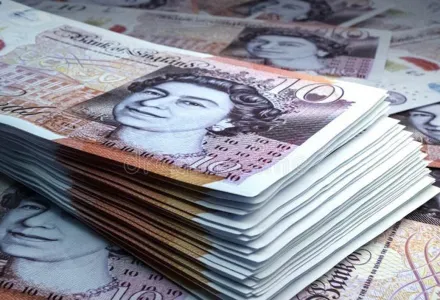
On Friday, March 20, the British pound fell in value due to rising oil prices, which worsened investor sentiment.
The Board of Directors of the Bank of Russia at a meeting on March 20 reduced the key rate by 50 basis points, down to 15%. This is reported by RBC with reference to the regulator. This is the seventh consecutive rate cut in the current cycle of monetary policy easing, which started in June 2025.

The National Energy Regulatory Agency (NERA) has set new maximum fuel prices that will be in effect from March 21 to 23.

As a result of rising energy prices in the context of the geopolitical situation, inflationary pressures may intensify until the first quarter of 2027, in this regard, the National Bank of Moldova (NBM) partially updated its February forecast and went on high alert .
The steady increase in prices for oil products continues in Moldova.

ANRE has set new maximum prices for basic fuels that will be in effect tomorrow, March 19.

ANRE has set the maximum fuel prices that will be in effect tomorrow, March 18.

Pensions and social payments will be indexed by 6.84% from April 1, 2026. More than 2 billion lei will be allocated from the budget for this procedure.

The volume of natural gas consumption in Moldova in February 2026 amounted to 154.2 million m³, which is 3.5% more than in the same period of 2025, the press service of the state enterprise Energocom said.

The National Energy Regulatory Agency (ANRE) has set the maximum fuel prices that will be in effect tomorrow, March 17.

On Friday, Moldovan Prime Minister urged state institutions to set “an example of discipline and responsibility”. He asked them to cut transportation costs by 20% amid rising fuel prices.