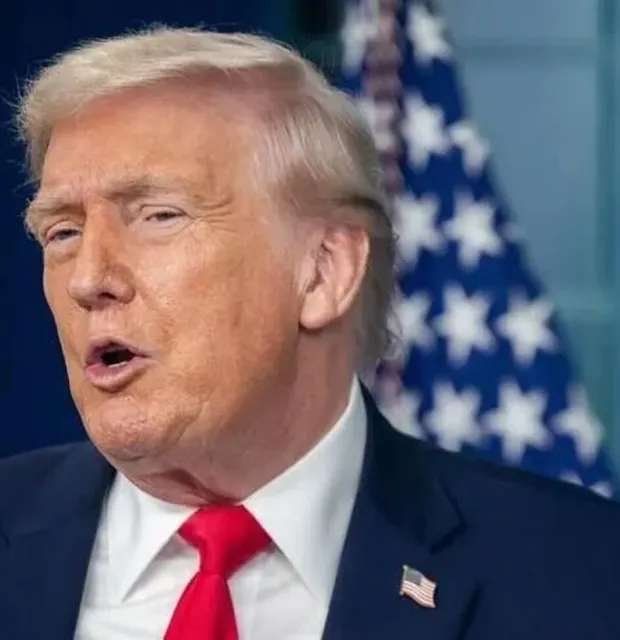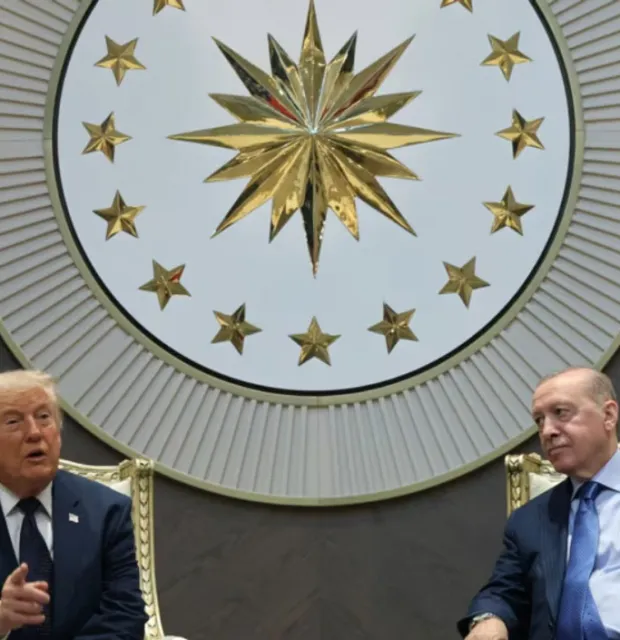

Steve Whitkoff and Donald Trump // photo by Brian Snyder/Reuters
That was the conclusion reached by Reuters in a sweeping investigation published on May 21.
According to the agency, during the first months of President Trump’s second term, a significant part of the US diplomatic infrastructure has been effectively paralyzed or taken out of the decision-making process. Nearly half of U.S. ambassadorial posts remain vacant (including in Moldova – LP), and many decisions are made outside the traditional channels of the State Department and the National Security Council.
The investigation describes a situation in which foreign governments and diplomats are increasingly trying to get signals about Washington’s position through Trump’s inner circle, including businessmen, political allies and unofficial intermediaries. Reuters identifies Jared Kushner, a businessman and the president’s son-in-law, as well as a number of individuals close to the White House as among those being approached by foreign representatives.
Reuters pays special attention to the role of special envoy Steve Witkoff, who is involved in negotiations on Iran, Ukraine and the Middle East, without classical diplomatic experience. According to the investigation, this raises concerns among some current and former U.S. diplomats.
Less predictability, more nervousness
The Reuters piece comes amid heightened international tensions over Iran, the war in Ukraine and the crisis in the Middle East. According to the agency’s assessment, US allies increasingly perceive Washington’s foreign policy as less predictable and more personalized.
The investigation also points to a massive reduction in the State Department’s staffing levels. According to Reuters, more than 3,000 employees left the department, and some of the key positions were taken by political appointees and representatives of conservative structures associated with The Heritage Foundation.
Experts interviewed by Reuters warn that such a model may weaken the institutional stability of U.S. diplomacy and increase the risk of mistakes in international crises. At the same time, U.S. allies are beginning to adapt to the more volatile nature of interaction with Washington.
In his second presidential term, Trump is actively using a personalized style of foreign policy that combines public pressure, tough rhetoric and informal negotiating channels. Reuters previously reported on rising tensions between the United States and Iran, difficulties in negotiations on Ukraine and the deterioration of Washington’s relations with a number of European allies.
For global markets and U.S. allies, this means increased uncertainty over security, sanctions policy, international trade and energy issues. In the context of several parallel geopolitical crises, the stability of the US diplomatic system becomes a factor of global economic and political stability, the agency notes.