
Wouldn’t this imbalance lead to limiting the attraction of investors to the renewable energy sector?
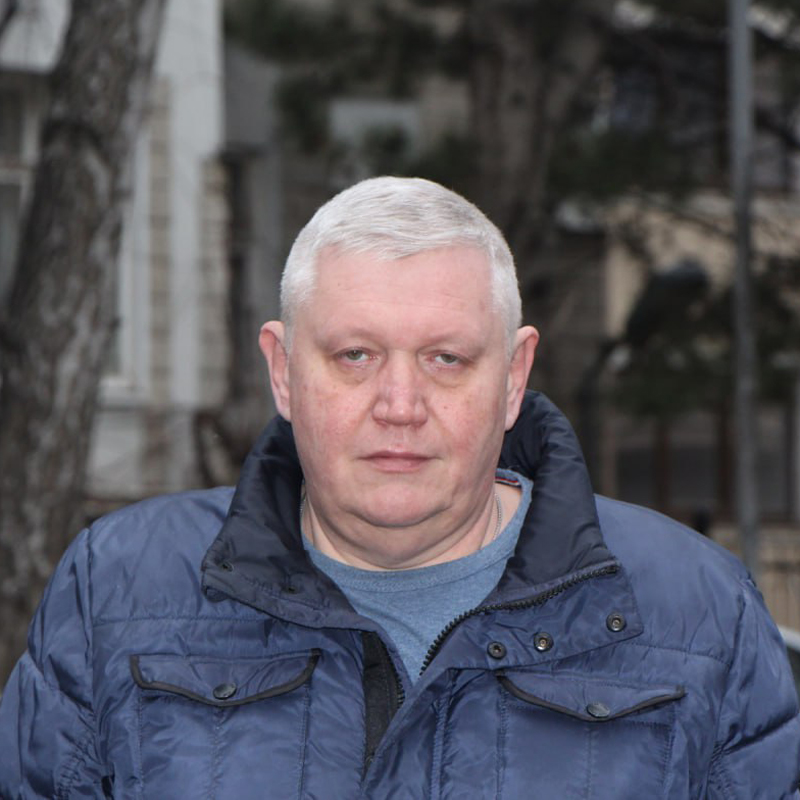
Commenting on this situation, Energy Minister Dorin Jungietu in an interview Logos Press said:
“It is important to understand: in the renewable energy development policy, the Republic of Moldova does not work with a “hard ban” after reaching a certain volume, but applies a more flexible and manageable mechanism – planning through capacity limits, quotas and auctions. Today, an important milestone has indeed been reached – the installed RES capacity has exceeded 1 GW and amounts to more than 1,023 MW. This confirms that the sector is growing very fast. However, in line with the National Energy and Climate Plan (PNIEC) and the draft Energy Strategy, the government sets targets rather than “stop-gap” limits. For example, at least 27% of final energy consumption and over 30% of electricity from RES by 2030″.
To achieve these targets, a system of controlled development through tenders (auctions) is being introduced – the government approves capacity limits and quotas until 2030, which determine how much new capacity can be supported under state support schemes. These limits do not mean a ban on construction per se. They mean that projects within the quotas receive support (e.g. a fixed price or a premium), while projects outside the quotas can be realized, but on market conditions, provided that there is a technical possibility to connect.
The issue of limitations today is not related to the “political ceiling”, but to the technical capabilities of the system: grid capacity; system balancing (especially with the growth of solar generation); availability of storage systems (BESS) and flexibility and export opportunities through interconnectors with neighboring countries.
This is why new tenders already include a mandatory combination of RES with storage systems, and generation development is synchronized with grid modernization.
So, Moldova does not plan to impose a ban on RES construction after reaching a certain level.
But the development of the sector will take place within manageable limits and the technical capacity of the system, to avoid overloading the grid and ensure the stability of energy supply.
“In other words, we are moving from a ‘rapid growth at any cost’ phase to a balanced development phase – where every new megawatt must be integrated into the system safely and efficiently,” said Dorin Jungietu.
The full interview is available HERE.


