

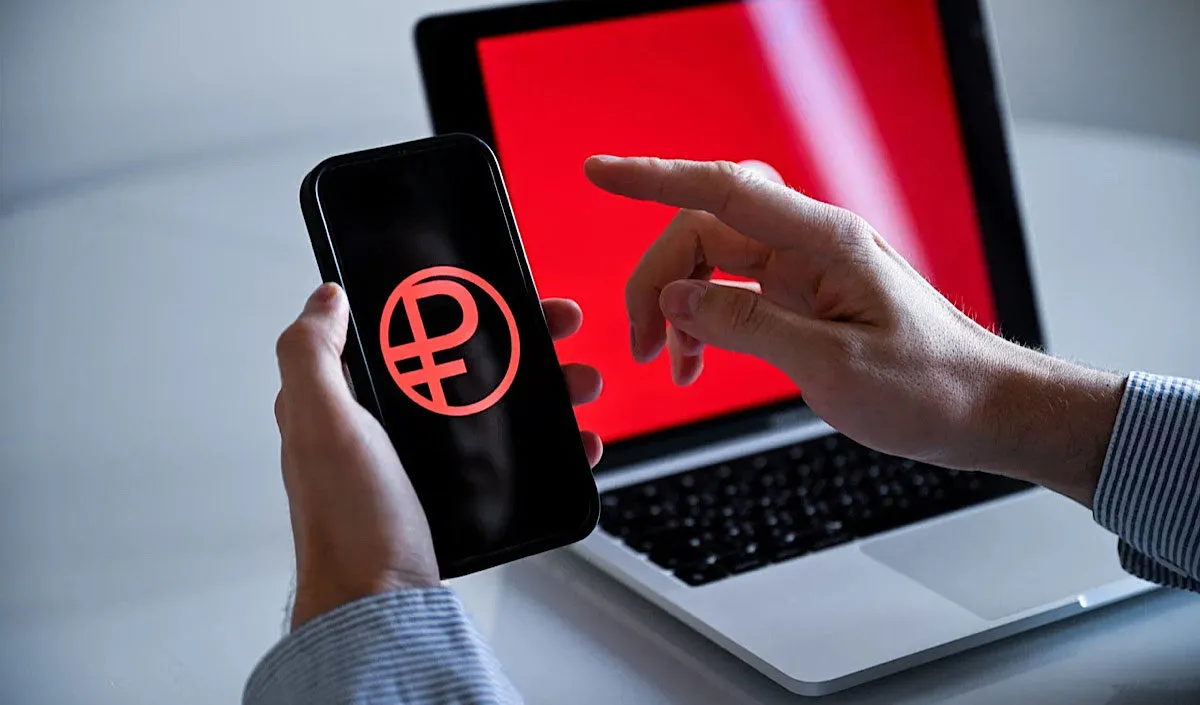
Photo: Evgeny Filippov/Expert
Cash currently plays a leading role in the payment system, the official explained, according to Bits.media.
Chistyukhin recounted how, this summer, he found himself about 200 kilometres from Moscow — where there was no internet or mobile coverage. In such a situation, cash remained the only viable payment option, the Central Bank’s deputy chairman lamented.
“Cash is still of significant importance. If the digital rouble works offline, as intended, this will be a competitive advantage,” Chistyukhin noted.
Recently, Central Bank Deputy Chair Zulfiya Kahrumanova promised that Russia’s main financial regulator would allow cash to be withdrawn from digital wallets via ATMs, though it is not yet known when this will happen.
At the end of July, the state news agency TASS, citing a survey by the financial marketplaces ‘Vyberu.ru’ and ‘Eurocredit.ru’, reported that 46 per cent of Russians plan to use the Central Bank’s digital currency (CBDC) only if its use becomes widespread.
According to a recent survey commissioned by the Bank of Russia, cash became the most popular way of holding money in September — 38 per cent of respondents chose this option. Bank accounts came second (37 per cent of those surveyed).
On the eve of the mass launch of the Russian CBDC, Taras Skvortsov, Deputy Chairman of the Management Board and Chief Financial Officer at Sberbank, noted that there is no high demand for the digital rouble amongst Russians — it is of interest only to the Central Bank itself. Three weeks later, Russian President Vladimir Putin instructed Finance Minister Anton Siluanov and Central Bank Governor Elvira Nabiullina to provide Russians with more detailed information about the benefits of the digital rouble.
This story was translated with the assistance of artificial intelligence.The translation was also reviewed by the Logos Press editorial team.
Follow our updates
Have information for the newsroom? Share it with Logos-Press




















Comments
0No comments yet. You can start the conversation.
Comments are open to readers with a Logos Press account.
Sign in to comment