


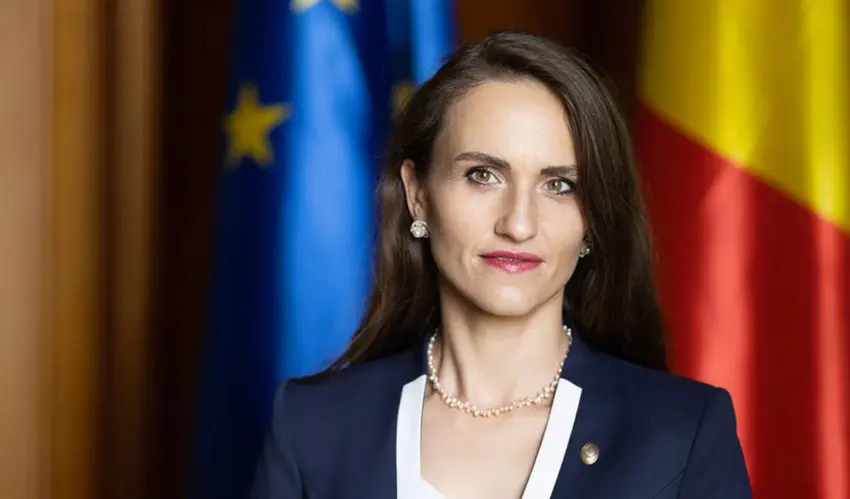
Oana-Silvia Țoiu
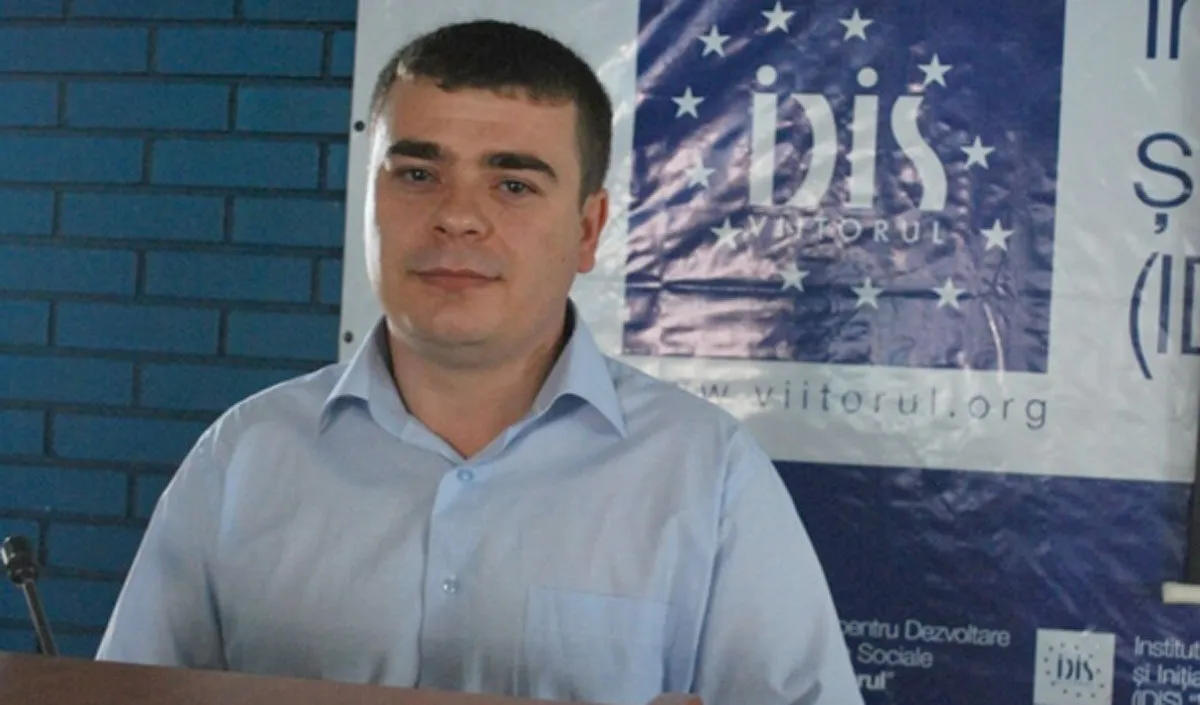
The European Commission’s announcement of a decision to allocate 50 million euros towards the establishment of a Maritime Security Centre in the Black Sea is a necessary step, demonstrating a willingness to share responsibility through joint investment, wrote Oana Țoiu, Romania’s former Minister for Foreign Affairs, on Facebook, according to bta.bg.
According to her, this outcome was the result of inter-ministerial work, coordinated with Bulgarian partners, which was carried out in constant consultation with strategic partners and was based on conclusions drawn by European experts during previous working visits.
What the future centre will look like
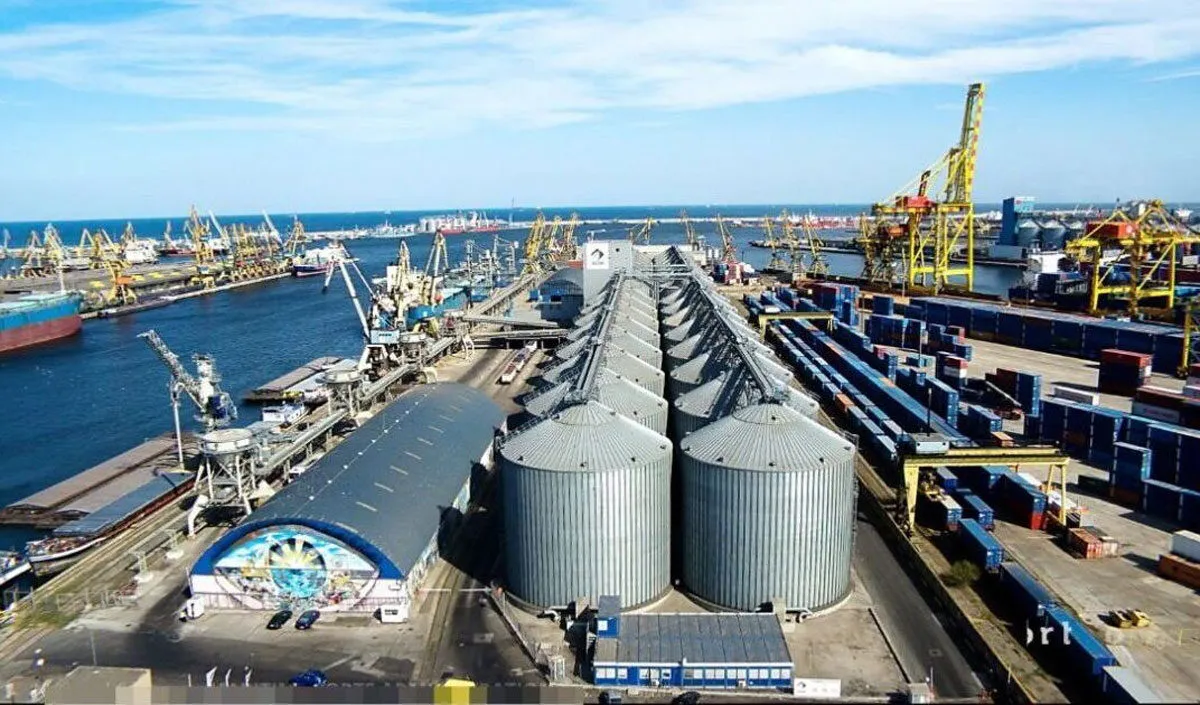
Cioiu explained that the centre will consist of two complementary sites operating as a single entity. Provision has been made for a common management and operational command system, the status of a legal entity under international law, and a permanent planning and coordination unit comprising experts delegated by the participating countries. One of the sites will be located in the Romanian city of Constanța, the other in Varna, Bulgaria.
She noted that the centre’s tasks will include monitoring maritime security and ensuring situational awareness, providing early warning of threats, and protecting critical maritime infrastructure — ports, submarine cables, pipelines, offshore structures and transport corridors. In addition, the centre’s activities will focus on enhancing resilience to hybrid and cyber threats, developing institutional capacity, assessing risks to civilian facilities and ensuring the safety of the maritime environment.
The world’s most dangerous body of water
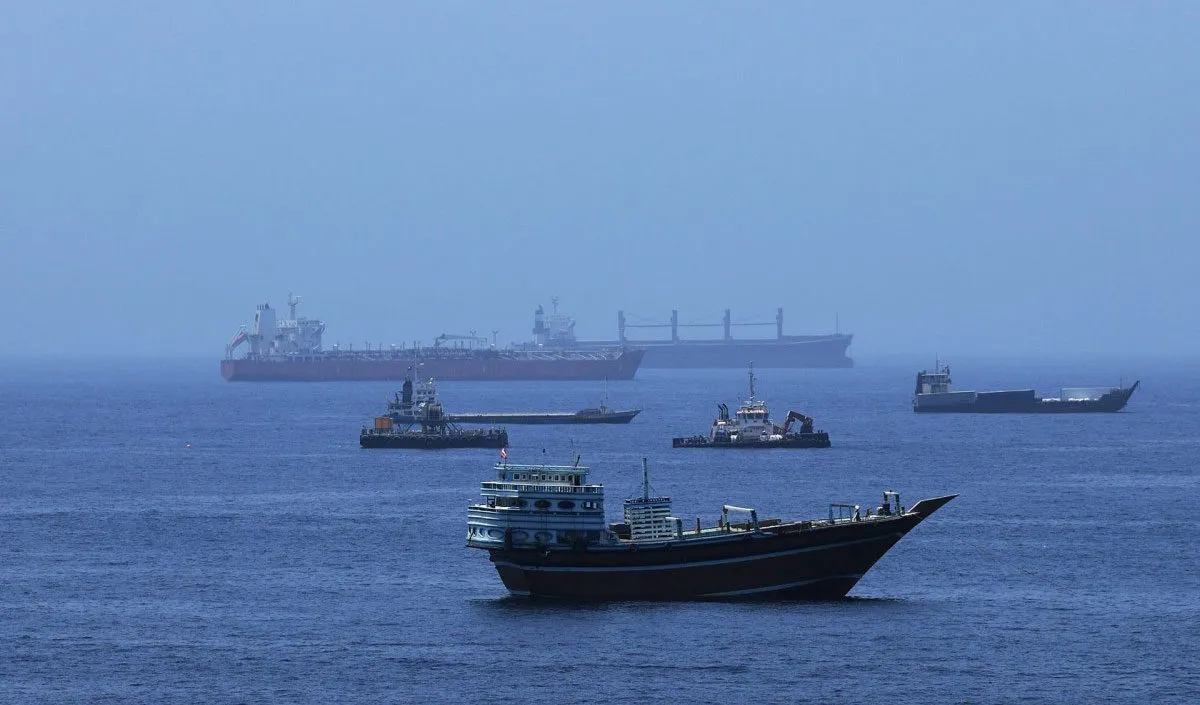
Țoiu emphasised that the Black Sea currently has the highest recorded death toll among seafarers, which effectively makes it the world’s most dangerous body of water. According to her, this not only endangers human lives and the security of investments, but also directly affects food prices in other regions of the world. Given the global nature of these risks, she proposed including the issue of a ceasefire in the Black Sea — with the aim of ensuring energy and food supplies — on the agenda for the discussions in Abu Dhabi.
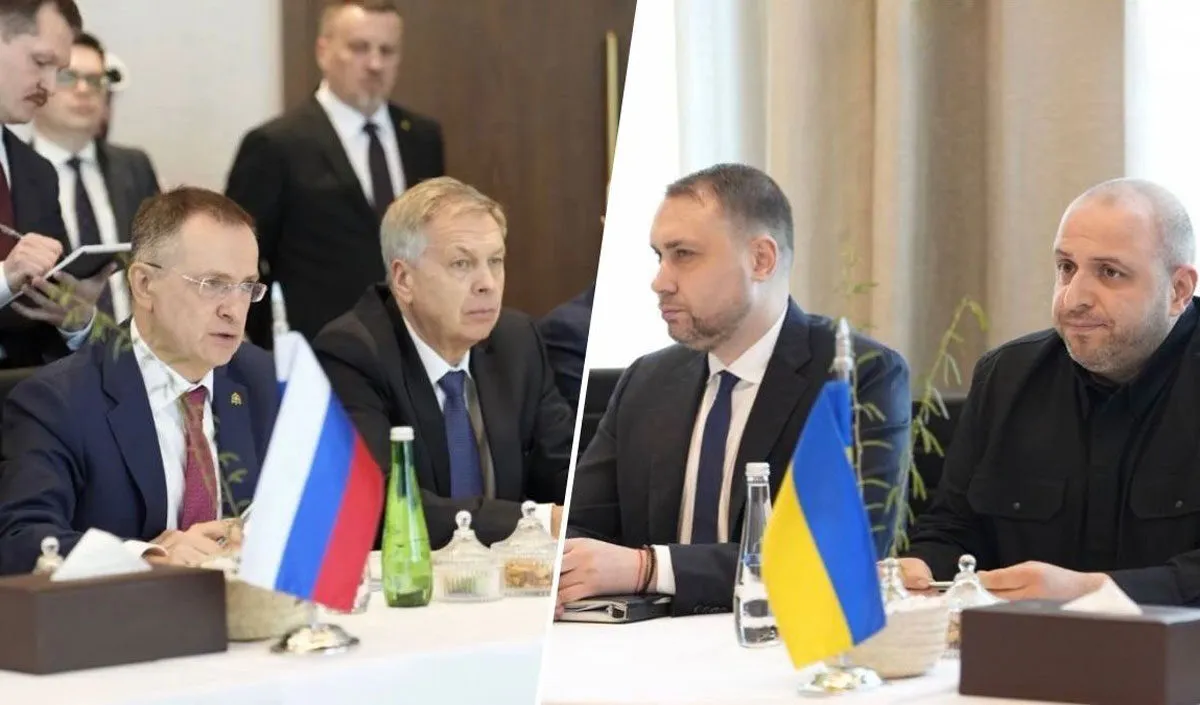
According to Țoiu, the visit by the President of the European Commission was intended to help shape the positions of a European delegation that could take part in negotiations between Ukraine and Russia – alongside the mediation efforts announced by the United States.
She emphasised that the mention of Turkey in official statements was necessary, as Romania, Bulgaria and Turkey had already expanded their cooperation — in particular at a recent meeting in Ankara — with the aim of protecting critical infrastructure in the Black Sea. She also noted that a trilateral mechanism for mine-action measures, involving coordination with Ukraine, is already in place.
What does Moldova have to do with this?
Cioiu stated that it would be logical for the Black Sea Maritime Security Hub, established to complement civil protection measures, to gradually expand its cooperation to include countries such as the Republic of Moldova, for which access to the Black Sea and the security of maritime trade are of vital importance.
According to her, once it becomes fully operational, this centre will form part of a broader ecosystem requiring coordinated action. This will include: the Common Information Sharing Environment (CISE), linked to the European Maritime Safety Agency (EMSA); the MARSUR maritime surveillance network, developed within the framework of the European Defence Agency (EDA); the Romanian Black Sea surveillance and control system (SCOMAR); Frontex; the European Union Satellite Centre (SATCEN); the European Union Agency for Cybersecurity (ENISA); the European Cybersecurity Competence Centre in Bucharest, specialising in industry, technology and research; as well as the relevant NATO bodies.
The former Romanian Minister for Foreign Affairs noted that the ultimate aim is to create a comprehensive regional picture that will enable the rapid identification of risks, provide early warning and support the decision-making process by the competent authorities.
In her article, Țoiu recalled that on 28 May 2025, this hub was included among the flagship projects within the EU’s strategic approach to the Black Sea region.
The project is expected to be very wide-ranging
She also reported that Romania and Bulgaria had agreed upon and signed a joint memorandum setting out the centre’s operating principles and its interaction with EU and NATO bodies during the initial implementation phase. Romania has secured the project’s inclusion on the list of priority funding areas under the Norwegian Financial Mechanism. Furthermore, this initiative has been included among Romania’s objectives in negotiations aimed at securing increased funding for the ‘eastern flank’ countries and obtaining support within the framework of the future EU budget — a goal that has already been approved by the European Parliament.
According to Tsoiu, the next steps include: approving the timetable for the centre’s launch; appointing a coordinator for the multidisciplinary working group responsible for implementing the project; establishing a legal framework and a governing board comprising representatives of the participating organisations; formalising the roles of the national coordinator and the co-director; and incorporating Romania’s and Bulgaria’s national contributions into their respective national budgets for 2027.
She added that work would continue to strengthen dialogue with Turkey, the European Commission and those EU Member States that also have their own strategic approaches to the Black Sea region, in particular Germany and France.
This story was translated with the assistance of artificial intelligence.The translation was also reviewed by the Logos Press editorial team.
Follow our updates
Have information for the newsroom? Share it with Logos-Press












Comments
0No comments yet. You can start the conversation.
Comments are open to readers with a Logos Press account.
Sign in to comment