

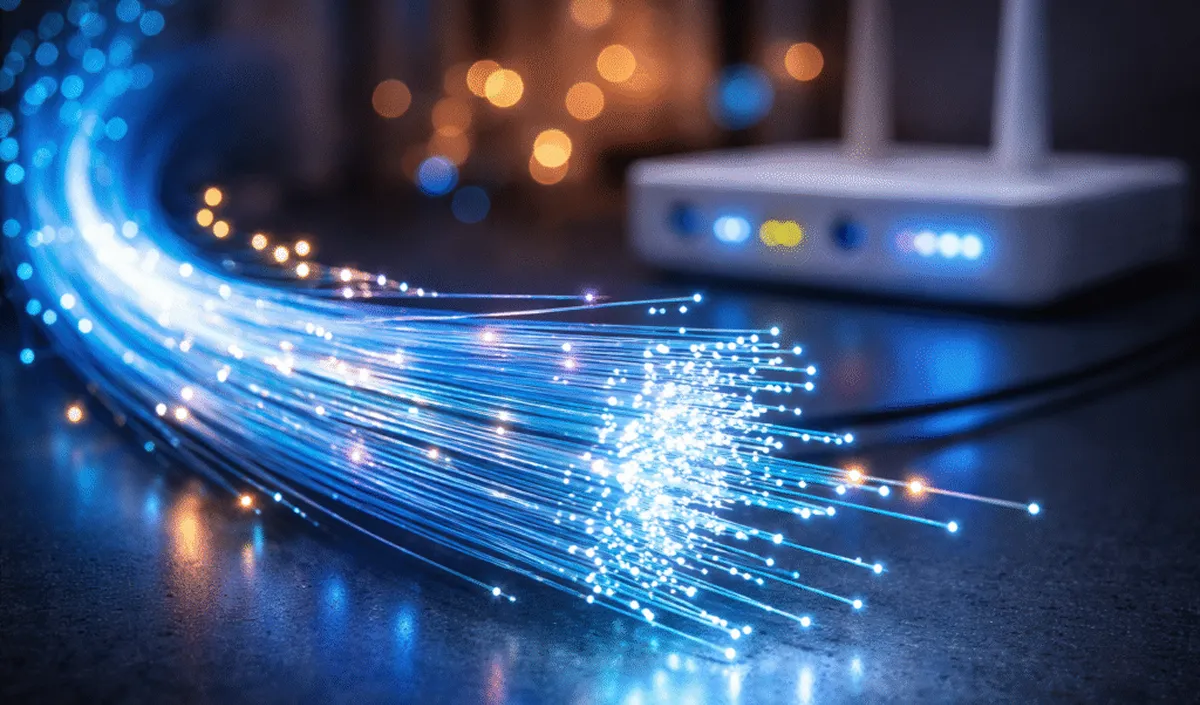
Vascular surgeon and phlebologist Intis Udriš uses fibre optics in his practice every day. Optical fibres are flexible and capable of transmitting light, ultraviolet and infrared radiation. Since 2016, Udrišs has been collaborating with one of Latvia’s leading companies in this sector, Lightguide, on the development of catheters.
“Its diameter is just 0.5 millimetres. The catheter is so thin that it can be inserted into a vein through a very small opening. Thanks to this, the procedure becomes much less invasive,” Euronews quotes him as saying.
Exports to more than fifty countries
The Latgale region, bordering Lithuania, Russia and Belarus, has become the centre of Latvia’s optical fibre industry. In the town of Līvāni, thanks to the European ‘Fibre Optics Valley’ project, a cluster of specialised enterprises has been established. For example, Lightguide produces around 20 million metres of optical fibre per year, develops products tailored to each customer’s requirements and exports them to more than fifty countries.
The total budget for the ‘Optical Fibre Valley’ project exceeds 5.4 million euros, of which 40.4 per cent is allocated under the European Cohesion Policy, whilst 59.6 per cent is funded by the companies and organisations participating in the project.
Demand for optical fibre in medicine and other sectors of the European economy is growing rapidly. The Latvian Investment and Development Agency (LIAA) is promoting the development of this sector. At present, these technologies account for around 3 per cent of Latvia’s GDP. As these companies are growing rapidly, experts expect that in 10 years’ time, 10 per cent of GDP will be generated by Deep Tech, as well as advanced materials technologies, including fibre optics.
This story was translated with the assistance of artificial intelligence.The translation was also reviewed by the Logos Press editorial team.
Follow our updates
Have information for the newsroom? Share it with Logos-Press
















Comments
0No comments yet. You can start the conversation.
Comments are open to readers with a Logos Press account.
Sign in to comment