


Iranian Foreign Minister Abbas Araghchi had previously told journalists at the UN that Tehran had conveyed the peace plan via Qatar. According to him, the agreement was intended to trigger a seven-day countdown leading to the reopening of the Strait of Hormuz and the cessation of hostilities in the region, reports the BBC’s Russian Service.
“If the US side is serious about concluding an agreement and reopening the Strait of Hormuz, then everything is now in place for this,” Araghchi said.
However, as reported by The Wall Street Journal, citing unnamed US officials, Trump rejected Iran’s proposal and also told his advisers that he expects bombing to resume after the November congressional elections.
The US President also posted a map of the Strait of Hormuz on his social media platform, Truth Social, circling it and labelling the image ‘Trump Strait’.
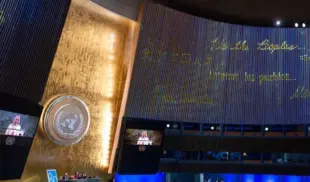
Speaking at the UN this week, Trump announced that he faced an important decision: to destroy Iran or to reach an agreement with it.
An American official had previously told Reuters that the US and Iran were engaged in “positive and constructive negotiations through intermediaries”.
However, according to The Wall Street Journal, Trump has privately expressed doubts that Iran will meet his demands.
The war with Iran, launched by the US and Israel on 28 February, has claimed the lives of thousands of people, mainly in Iran and Lebanon. In response, Tehran attacked Israel and US allies in the Persian Gulf.
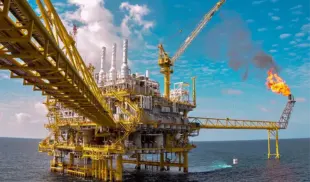
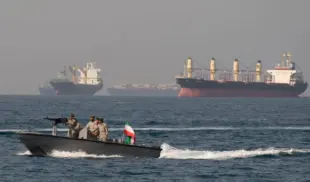
The conflict triggered a major energy crisis due to Iran’s de facto closure of the Strait of Hormuz.
As Iranian Foreign Minister Abbas Araghchi stated, the strait will be reopened “once the necessary conditions have been met”, which the parties agreed upon back in June following the signing of a memorandum of understanding.
That 60-day plan envisaged a cessation of hostilities on all fronts, including Lebanon, the lifting of sanctions against Tehran, the establishment of a fund for Iran’s reconstruction and, among other things, the reopening of the Strait of Hormuz. Iran and the US signed the document on 18 June, and hostilities ceased for the time being.
The ceasefire lasted less than a month, and mutual attacks resumed on 8 July.
This story was translated with the assistance of artificial intelligence.The translation was also reviewed by the Logos Press editorial team.
Follow our updates
Have information for the newsroom? Share it with Logos-Press
















Comments
0No comments yet. You can start the conversation.
Comments are open to readers with a Logos Press account.
Sign in to comment