

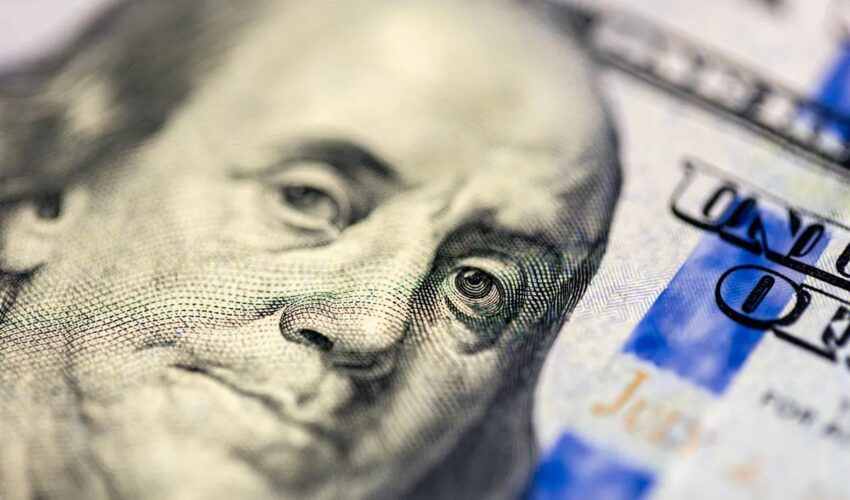
However, most of the costs will have to be borne by the United States itself. The immediate effects are already visible: gasoline prices have risen sharply, inflation has reached a to a two-year highand growing fears that, as consumers cut spending to offset higher prices, unemployment will rise. While these short-term shocks are serious, one major risk that has received less attention is that the dollar could lose its status as the world’s main trading and reserve currency.
The decline of a reserve currency is a slow process. The British pound ceded its dominance to the U.S. dollar for about two decades beginning in the 1920s. As noted Barry EichengreenThe Roman denarius, arguably the world’s first international currency, also lost value over a long period, beginning when Emperor Nero devalued it in the first century CE.
Crisis of confidence
Any international currency ultimately depends on trust. I witnessed this when I served as chief economic advisor to the Indian government under Prime Minister Manmohan Singh. On August 5, 2011, S&P downgraded the long-term credit rating of the United States from AAA to AA+, which heightened fears of immediate capital flight. However, the opposite happened: money flowed into the US economy. Despite the global turbulence, investors were confident that the US would fulfill its obligations, whatever the cost.
This confidence, a cornerstone of soft power, is rapidly eroding. Samantha Powera former administrator of the U.S. Agency for International Development (USAID), underscored this in a recent lecture at Cornell University, where she criticized the Trump administration’s decision to dismantle the agency. According to her, the abrupt and “callous” nature of the agency’s closure led to the termination of humanitarian aid without warning, causing immense suffering among populations around the world who relied on its continuity.
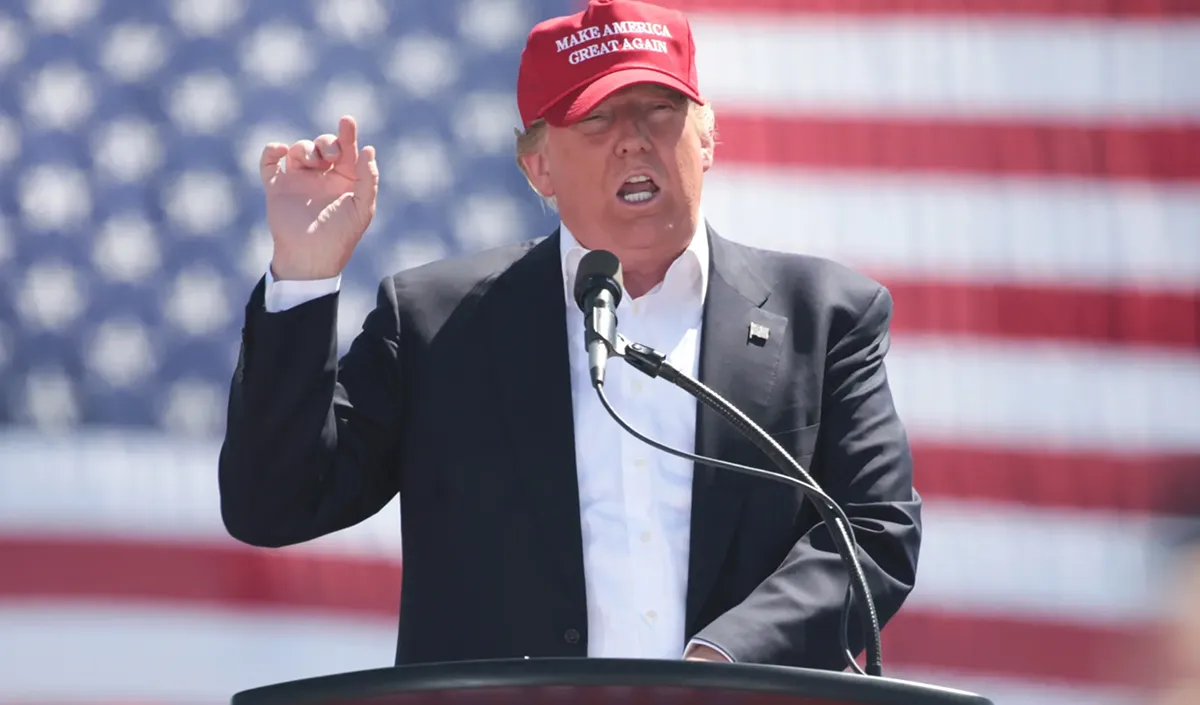
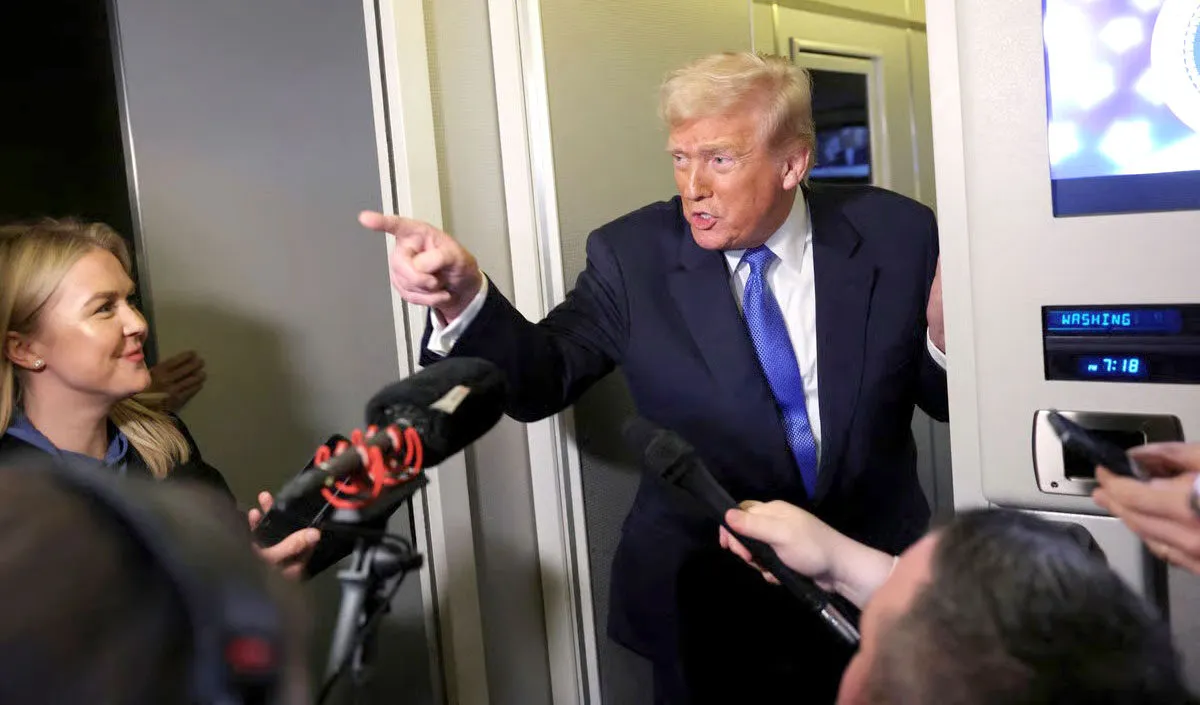
The closure of USAID, along with Trump’s military adventures in Iran and Venezuela and relentless attacks on longtime allies like Canada and Denmark, has cast a shadow over America’s global credibility and reliability. This, in turn, jeopardizes the dollar’s hegemonic status.
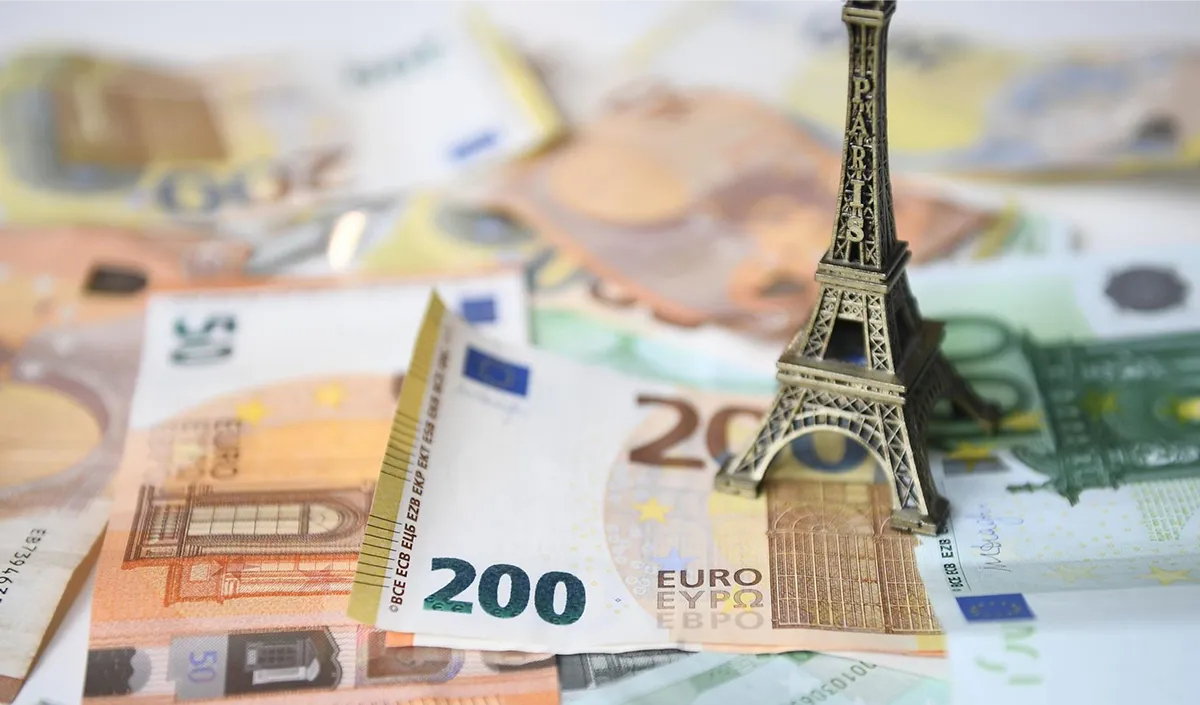
To understand the potential costs, consider a seniorage: because the dollar is trusted around the world, the Federal Reserve can print a $10 bill in less than for seven centsand it would be accepted at full value around the world. As empires from Rome to Great Britain have shown, issuing the world’s leading currency allows a country to create value virtually out of thin air. Losing that ability would slow economic growth.
What will replace the dollar?
Unless U.S. policy changes course, this year may go down in history as the moment when the U.S. dollar began to lose its status as the world’s currency.
This raises the question: what currency will replace the dollar? The yuan appears to be the strongest candidate. Ten years ago, the Chinese currency bolstered its credibility when the International Monetary Fund included it in the basket of world currencies underlying the Special Drawing Rights (the Fund’s reserve asset), but it was still widely dismissed as being “incomparable” with the dollar. Today, the prospect of yuan dominance no longer seems unthinkable.
However, China’s ability to assume this global role is far from assured. As economist Qiao Liu observed in his 2016 book Corporate China 2.0, the country combines an “authoritarian political regime” with more flexible institutional arrangements in which “relationships still matter”-a hybrid that does not immediately engender the kind of global confidence that a reserve currency requires.
Chinese President Xi Jinping seems to understand this dynamic. In the 2024 speech, Xi emphasized the need to internationalize the yuan to strengthen China’s “soft power.” calling for to create “a powerful currency that can be widely used in international trade, investment and foreign exchange markets and achieve reserve currency status.” But the main obstacle to reserve currency status for the yuan – maintaining capital controls – remains in place.
The harshest criticism of Trump’s policies over the past year came from an unexpected source: from King Charles III. His address to Congress on April 28, delivered with characteristic British humor and restraint, sent a clear message that the U.S. is on the wrong path that could destroy its global credibility.
Nevertheless, there were reasons for optimism. The repeated bursts of applause Charles received from members of Congress indicated that they already recognized America’s plight.

Kaushik Basu
Kaushik Basu, – former Chief Economist of the World Bank and Chief Economic Advisor to the Government of India, is a Professor of Economics at Cornell University and a Senior Fellow at the Brookings Institution.
© Project Syndicate, 2026.
www.project-syndicate.org
Follow our updates
Have information for the newsroom? Share it with Logos-Press













Comments
0No comments yet. You can start the conversation.
Comments are open to readers with a Logos Press account.
Sign in to comment