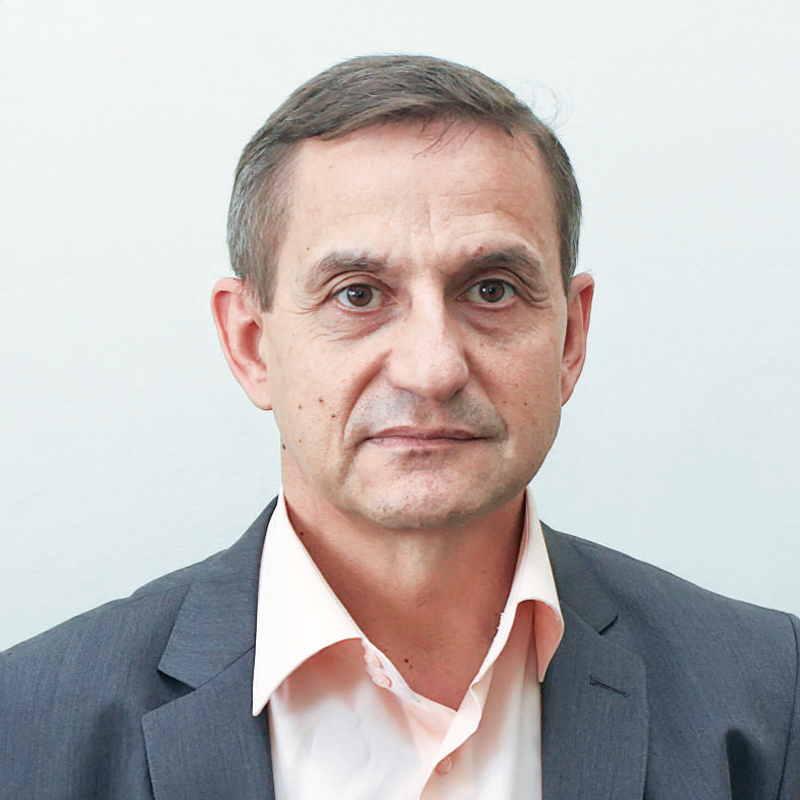

Andrey Pyshny
According to Andriy Pyshnyy, head of the National Bank of Ukraine, the country’s banking regulations are already approximately 78% compliant with EU requirements, while the insurance sector is 55% compliant, according to a Reuters article.
“We have a large-scale European integration program,” the NBU head said in an interview with Reuters, noting that the transformation of the financial system must continue despite military risks.
The Ukrainian banking sector has remained resilient since the start of Russia’s full-scale invasion in 2022. According to the NBU, banks remain profitable, liquid, and well-capitalized, while the level of non-performing loans is near historic lows.
Counting on Private Capital
One of the main goals of the reform is to create conditions for an influx of private investment. Ukrainian authorities expect that compliance with European financial standards will boost investor confidence and facilitate the country’s integration into the European capital market.
Pyshnyy reported that Ukrainian authorities are preparing more than 50 new laws and regulations to further align the financial system with EU requirements. These are intended to strengthen regulation, raise capital requirements for banks, and improve the operational resilience of financial institutions.
Special attention is being paid to the insurance sector, where compliance with European requirements remains lower. The NBU is implementing industry reforms aimed at increasing transparency, stability, and investment attractiveness.
Recovery will require large-scale financing
Reforming the financial system is linked to long-term plans for economic recovery. According to estimates by the Ukrainian government and the World Bank, the country’s needs for recovery and reconstruction over the next decade amount to approximately $588 billion.
According to the head of the NBU, international financial assistance will remain an important source of support, but private capital is also necessary for recovery.
“We need private capital. And private capital needs infrastructure,” Pyshnyy stated.
As part of these efforts, Ukrainian authorities are also preparing legislative changes to develop the stock market and gradually restore the free movement of capital.
Ukraine continues to ease the currency restrictions imposed during the war, shifting from emergency control measures to a more flexible, risk-based approach.


