

The Fair Labour Mobility package comprises five legislative proposals. These include the European Social Security Passport (ESSPASS), new rules for digital qualifications, an expansion of the powers of the European Labour Authority, and changes to the rules governing the recognition of professional qualifications for EU citizens and professionals from non-EU countries.
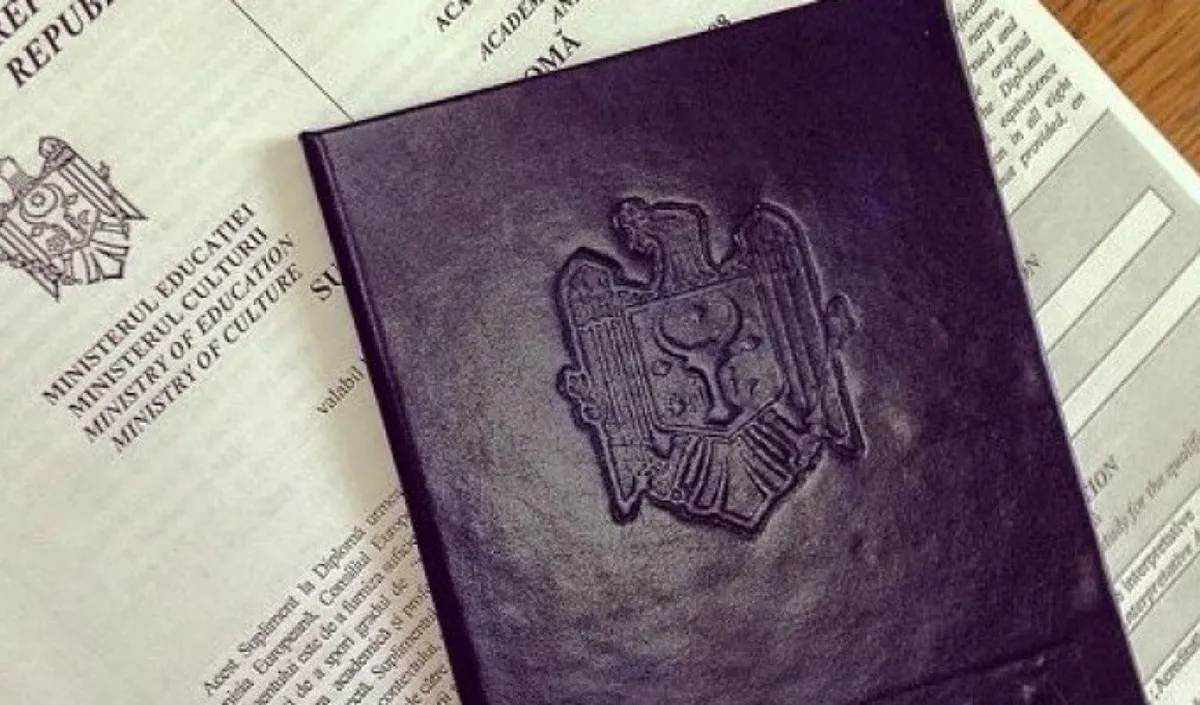
There are plans to introduce digital recognition of qualifications for doctors, nurses, engineers and teachers. Currently, this process can take up to three months, but under the new rules, the timeframe is set to be reduced to five weeks. Automatic recognition is also set to be extended to a further 10 professions.
For professionals educated outside the EU, it is proposed that the processing time for applications be reduced from 14 to four months. Employers will be able to cut administrative costs associated with the recognition of qualifications by up to 50 per cent.
For seven professions where uniform training requirements apply, qualifications from accredited educational institutions outside the EU will be recognised automatically.
At the same time, EU countries will retain the right to decide who may enter the country to work and under what conditions professionals may practise their profession.
The European Commission also wants to digitise social security documents. Through ESSPASS, it will be possible to obtain a European Health Insurance Card and an A1 certificate online for workers temporarily posted to another country. These documents can be stored in the European Digital Wallet and presented in other EU countries. Public authorities will be able to verify their authenticity online.
The service is due to become available across the EU by the end of the year.
A separate set of measures concerns the enforcement of labour rights. The European Labour Authority will be given greater powers to carry out inspections and engage in international cooperation. Its remit will also be extended to cover cases of illegal employment and breaches of the rights of workers from non-EU countries.
For cross-border labour disputes, the aim is to simplify mediation so that the parties can resolve conflicts more quickly without going to court.
According to the European Commission’s estimates, once fully implemented, the entire package could yield savings and other benefits totalling around €6 billion by 2040. This is attributed to faster processing of documents, lower administrative costs and a reduction in fraud.
The proposals must now be approved by the European Parliament and the Council of the EU. The new rules will then be introduced gradually.
This story was translated with the assistance of artificial intelligence.The translation was also reviewed by the Logos Press editorial team.
Follow our updates
Have information for the newsroom? Share it with Logos-Press






















Comments
0No comments yet. You can start the conversation.
Comments are open to readers with a Logos Press account.
Sign in to comment