

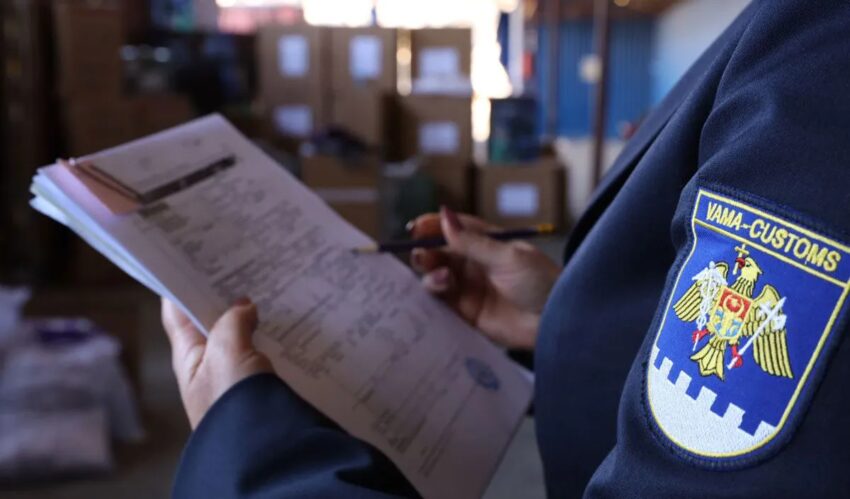
The Chamber is the issuing and guaranteeing authority for the ATA Carnet – an international customs document used for the temporary importation of goods.
As part of the preparations for digitalisation, a training session entitled ‘e-ATA: the digitalisation of the ATA Carnet as a tool for facilitating trade’ was held. It was attended by customs officers involved in procedures relating to the ATA Carnet.
The programme comprised both theoretical and practical components. Participants learnt about the entire process of handling the ATA Carnet – from its issue by the Chamber of Commerce and Industry through to customs validation and operations relating to export, re-import, import, re-export and transit.
Particular attention was paid to the ATA Desktop and ATA Carnet Customs digital systems. These are designed to process operations related to the ATA Carnet in a digital environment.
According to the CCI, the introduction of the digital format should help to standardise, simplify and improve the efficiency of customs procedures.
What will change for businesses
The transition to the digital ATA Carnet forms part of the implementation of the Global Transition Plan for e-ATA (GTP e-ATA) and the Customs Preparation Guide. These documents were developed by the International Chamber of Commerce at the request of the ATA Administrative Committee/Istanbul Convention of the World Customs Organisation.
The ATA Carnet itself already enables companies to simplify the temporary movement of goods across borders. Its use relieves businesses of the need to file separate national customs declarations for each transaction, as well as to provide a separate financial guarantee to cover import duties on temporarily imported goods.
The digitisation of this instrument is intended to move the relevant operations into an electronic environment and simplify interaction between the parties involved in the procedure.
At this stage, the Chamber of Commerce and Industry and the Customs Service are carrying out preparatory work. A specific date for Moldova’s full transition to the e-ATA has not yet been set.
This story was translated with the assistance of artificial intelligence.The translation was also reviewed by the Logos Press editorial team.
Follow our updates
Have information for the newsroom? Share it with Logos-Press




















Comments
0No comments yet. You can start the conversation.
Comments are open to readers with a Logos Press account.
Sign in to comment