


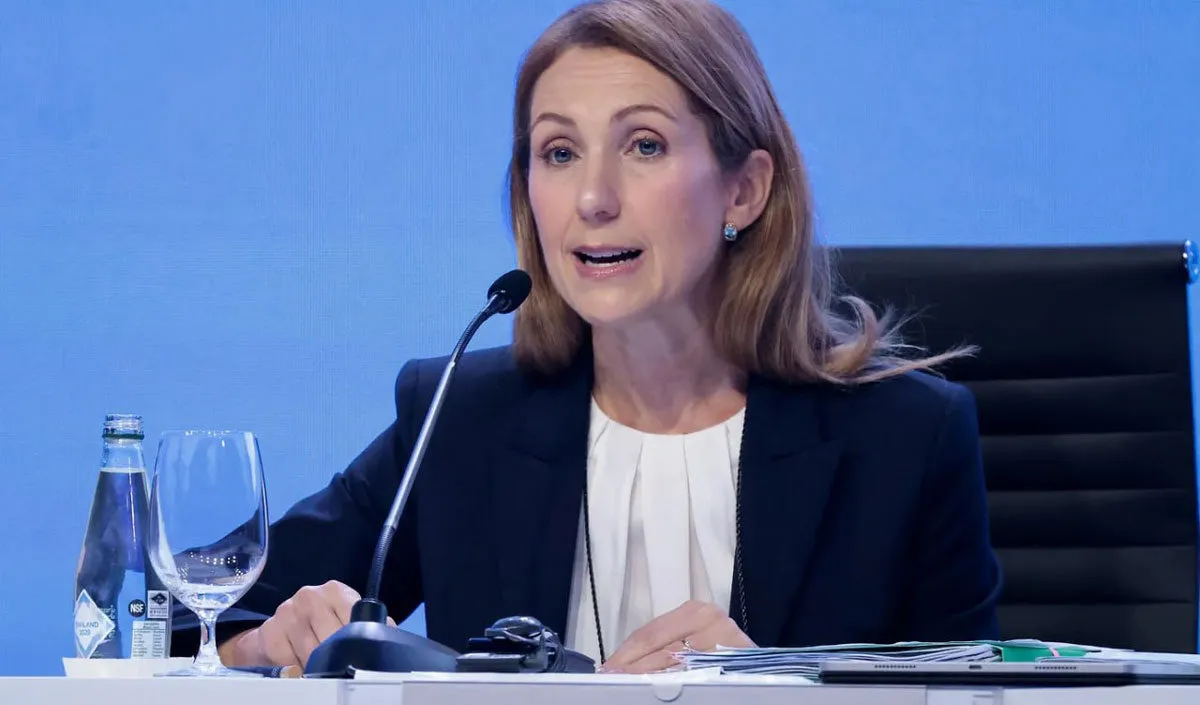
Silvana Tenreyro
The IMF forecasts global economic growth of 3.1 per cent this year, rising to 3.4 per cent in 2027. Global inflation is expected to stand at 4.7 per cent, before falling to 4.1 per cent.
For eurozone countries facing stagnation (in particular, the French economy, which the Fund forecasts will grow by just 0.4 per cent this year), the Fund’s warnings sound like a direct call to review fiscal policy. The main threat remains the critical reduction in fiscal manoeuvre due to the cost of servicing public debt.
“The economy has shown resilience, but this margin for resilience is reaching its limits,” emphasised Silvana Tenreyro.
Inflation and debt risks take centre stage
Highly indebted countries (which is particularly relevant for a number of southern European EU economies) must urgently bring their finances under strict control. “Any support measures, should they prove necessary, must be temporary and targeted, protecting the most vulnerable sections of the population,” the IMF’s chief economist stressed.
Furthermore, it is vital that financial regulators, including the ECB, maintain a tight monetary policy to bring inflation back to target levels. In these circumstances, according to Tenreyro, “the independence of central banks is more important than ever”.
According to the Fund’s representative, the key factors putting pressure on the global financial system are rising energy prices due to the conflict in the Middle East and a large-scale technological boom driven by the development of artificial intelligence. Both processes are exacerbating inflationary risks, limiting governments’ ability to respond swiftly to new crises.
Rising borrowing costs and the cost of servicing public debt are ‘eating into’ budgetary reserves. This could lead to the displacement of critically important expenditure in the social and infrastructure sectors.
Should commodity prices rise further and panic ensue in the government bond market, growth rates in developed and developing countries by 2027 will be 50–60 basis points below the baseline forecast. This represents a negative scenario for global developments.
Although the artificial intelligence boom is stimulating investment and trade, the high concentration of supply chains and cybersecurity threats pose risks to financial stability.
This story was translated with the assistance of artificial intelligence.The translation was also reviewed by the Logos Press editorial team.
Follow our updates
Have information for the newsroom? Share it with Logos-Press
























Comments
0No comments yet. You can start the conversation.
Comments are open to readers with a Logos Press account.
Sign in to comment