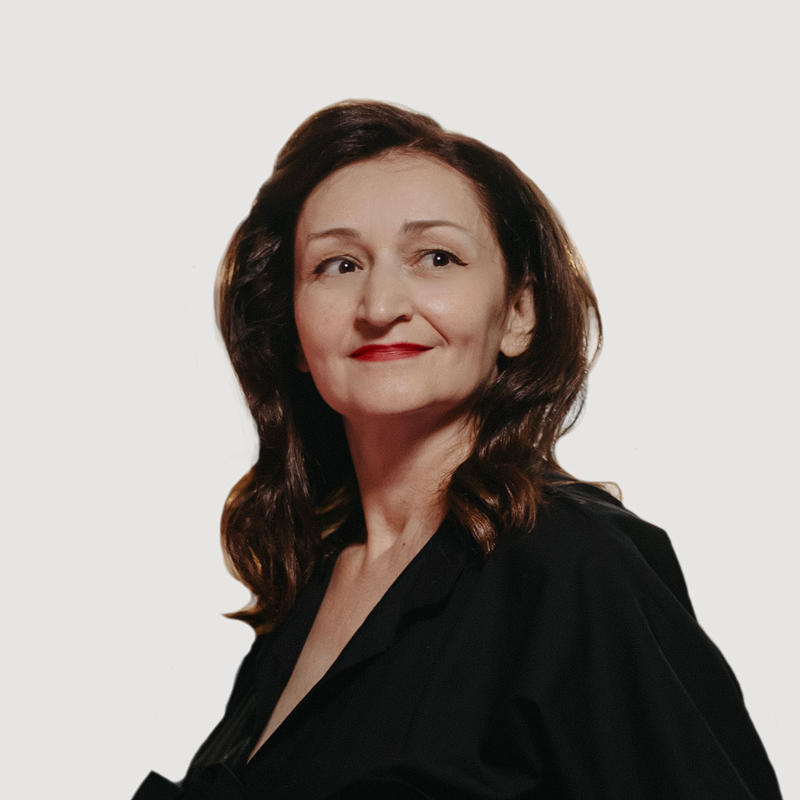

According to him, with limited resources, government agencies cannot always afford professional translators or translation agencies. As an alternative, he suggested more active implementation of digital solutions already in use in some institutions.
The head of the Equality Council shared practical ways of solving this problem, drawing on the organization’s internal experience, which found a way out in digitalization: with the support of donors, the Council implemented specialized software based on artificial intelligence. According to Feldman, the quality of machine translation is already impressive today, and in the near future, language adaptation may no longer be a financial issue, becoming a simple “copy-paste” technical procedure.
“Regarding linguistic adaptation – I want to say two things: we are aiming for the European Union, and we will need to answer not only in Russian, which people sometimes know, but also in English, and probably in other EU languages. We have to take into account that we will have people from many countries working for us who will be contacting us. Not to mention our diaspora: if now we are discussing Russian, soon we will be talking about answers in Italian,” Feldman said.
As noted in the Logos Press article “The Most Difficult Cluster: a mirror into which it is uncomfortable to look”, in Moldova the “language” problem is often perceived through the prism of politics. However, the Equality Council and its head, Jan Feldman, translate the discussion into fundamental human rights and global trends of which Moldova has become a part.


