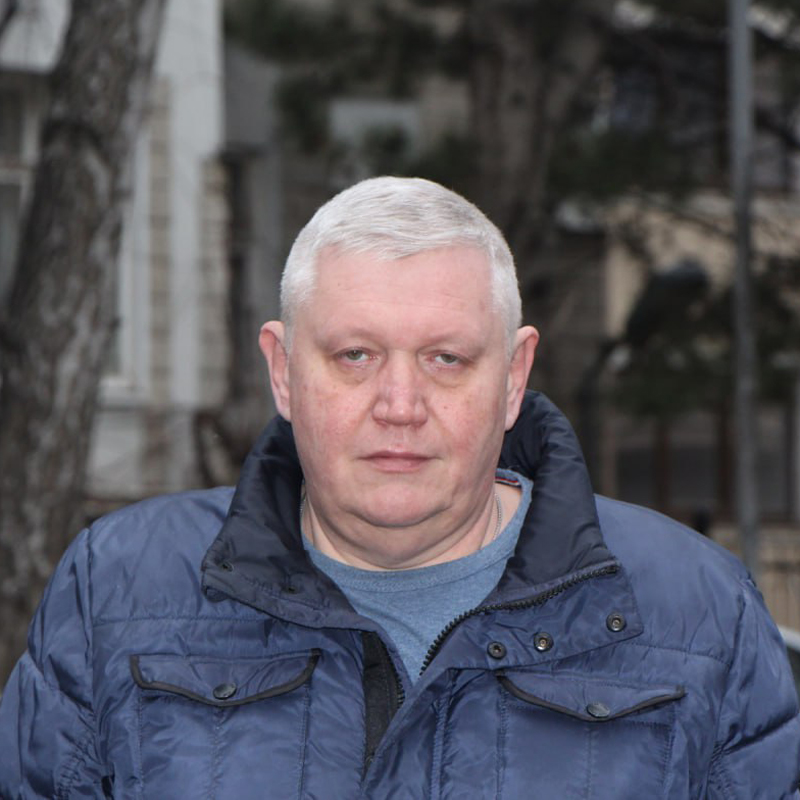

According to him, this initiative does not offer solutions to pull the railway system out of crisis and can only accelerate the decline of an industry that is strategically important to Moldova’s economy.
In his speech, Renato Usatîi emphasized that he was speaking not only as a politician but also as someone with professional experience in the railway sector. He noted that he has been involved in this industry since the age of 23, when he began working as a railway engineer.
“To understand this bill, you have to live and breathe this industry. I know both the best and the hardest periods in the history of the railway and fully understand what the real problems of the system are,” stated the leader of Our Party.
According to Renato Usatîi, the experience of European countries cited by the bill’s authors cannot be mechanically applied to the Moldovan context, since railway reforms in developed nations were carried out to accelerate the development of efficiently functioning systems, not to manage the decline of a crisis-stricken enterprise.
“There is no need to cite Germany, France, or other developed countries as examples for us. There, reorganization was carried out to accelerate development. Here, however, the enterprise is in a critical condition, and any division could bury the last chances for its recovery,” the MP noted.
Renato Usatîi criticized the lack of a railway transport development strategy and called for the development of a long-term plan for 5, 10, and 20 years, based on successful models implemented in other countries.
“Moldova Railways” needs a development plan for the next 5, 10, or 20 years. We don’t need experiments. We need to adopt solutions that have already proven their effectiveness and delivered real results,” he emphasized.
The leader of Our Party noted that over the past decades, the Republic of Moldova has lost many railway routes and opportunities for development, while investments in infrastructure were constantly postponed or ignored altogether.
“Instead of discussing the modernization of the railway, reducing travel time between Ocnița and Chișinău, or developing international routes, we are discussing the division of what remains of this enterprise,” stated Renato Usatîi.
In his view, there is a risk that after the division of operations, the state will be left with expenses and social obligations, while potential revenues from certain areas of railway operations will go to other entities.
“You have no development plan, but you do have a plan for division. Are you not setting the stage for a situation where the state is left with the expenses, while others reap the revenues?” the faction leader asked government officials.
In conclusion, Renato Usatîi called for abandoning this initiative and launching a serious discussion on the future of rail transport in the Republic of Moldova.
“I am convinced that the day will come when ‘Moldova Railways’ will once again become an enterprise we can be proud of. But I ask you one thing: if you are unable to develop it, then at least stop burying it,” concluded the chairman of the Our Party faction.
Earlier reports indicated that 1,500 employees of the state-owned enterprise “Moldovan Railways” (CFM) were laid off last year alone.


