
The event was organized by the ECOU Association at the “B.P. Hașdeu” University Center of the Technical University of Moldova in Cahul. Over the course of three days, participants worked in teams to develop solutions to common challenges faced by communities in the Cahul, Cantemir, and Taraclia districts, as well as in Comrat, Cădîr-Lunga, and Vulcănești.
Useful Digital Solutions
The focus was on access to information and services, civic participation, intercultural dialogue, promoting the region, and countering disinformation, according to the Agency for Interethnic Relations.
First place went to the InfoQuest team for their concept of a bilingual educational platform in Romanian and Russian. It incorporates gamification mechanics to teach users how to recognize online scams, deepfakes, and disinformation.
Users of the platform will be able to complete interactive tasks based on real-life situations and receive explanations and recommendations. The project also includes the integration of an AI assistant to analyze suspicious calls and identify signs of potential fraud.
Second place went to the South Moldova Hub team. Their project involves creating a regional platform with information about events, tourist attractions, itineraries, museums, festivals, and local initiatives.
According to the participants’ vision, the platform should not only promote southern Moldova but also bring together local authorities, civil society organizations, cultural institutions, and businesses within a shared information space.
Third place went to the Ghid Cultural team, which proposed a platform aimed primarily at young people. It is designed to centralize information about cultural, sports, artistic, and civic events in communities across southern Moldova and encourage young people to participate in events outside their own communities.
The organizers are counting on the development of these projects
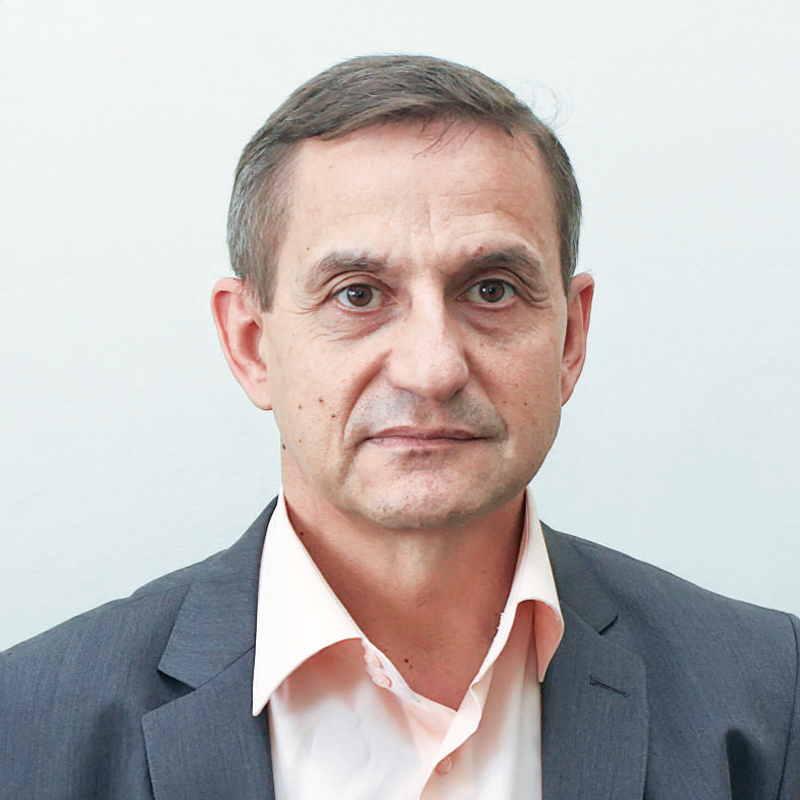
The jury evaluating the participants’ solutions was chaired by Vyacheslav Ryabchinsky, director of the Agency for Interethnic Relations. According to him, the significance of the hackathon lies not only in the technological solutions developed but also in the opportunity to bring together people with diverse cultural, linguistic, and professional backgrounds.
“The participants came from different communities, with diverse cultural, linguistic, and professional backgrounds, but discovered that many of the problems facing their communities are shared,” Ryabchinsky noted.
In his view, working together on such issues allows participants to look beyond the boundaries of individual communities and develop solutions that are relevant to the entire region.
In the coming months, the three winning teams will receive mentorship and support in technical development, functionality testing, content adaptation, and the promotion of their solutions.
According to the organizers, the projects must be fully functional and accessible to the target communities by the end of October.
“The hackathon is just the beginning of a longer process,” said Natalia Ponomarev, project coordinator for the ECOU Association. According to her, the organizers expect that within a few months, participants will be able to move from concepts to working digital solutions.


