

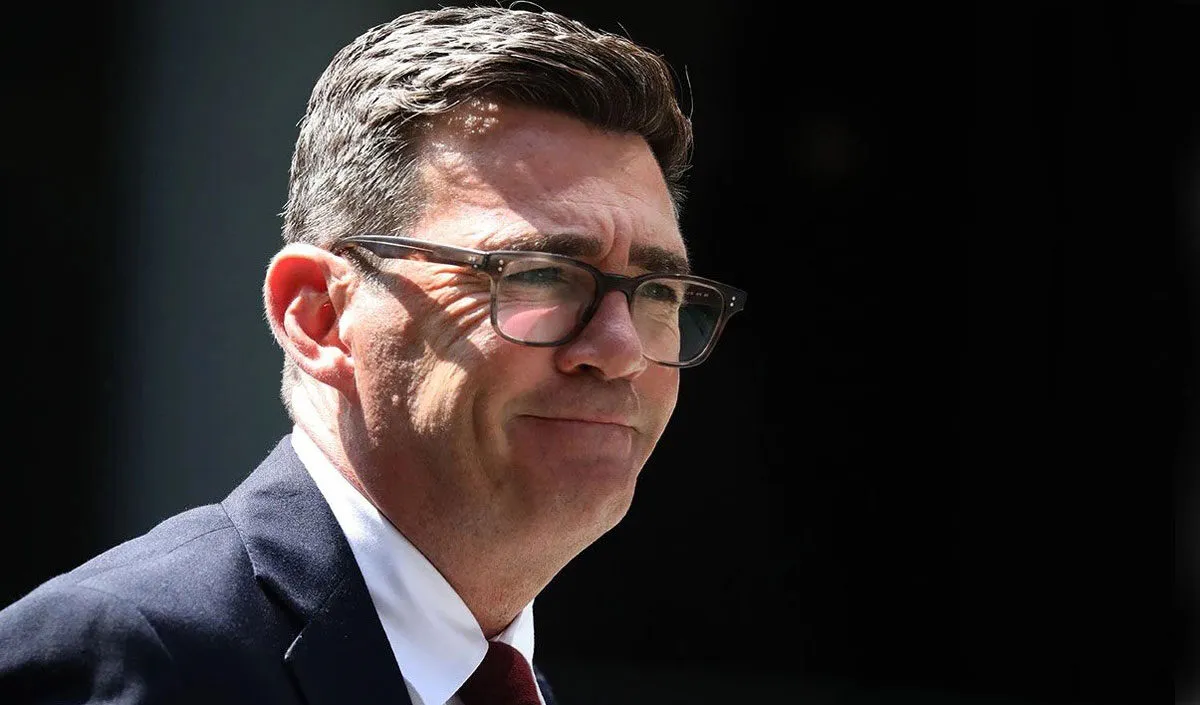
Andy Burnham
“Brexit has done more harm than good,” Burnam said at the Labour Party conference in Liverpool. “Leaving the EU has not given the UK the control over the economy and immigration that Brexit supporters promised. I cannot in good conscience say that we are satisfied with the current state of affairs.”
Burnam said that he intends to discuss options for long-term relations with the EU before the end of the year. In an interview with the BBC, the Prime Minister clarified that London could choose one of several paths. These include maintaining the current relationship, returning to the previously discussed idea of a customs union, joining the single market, or deeper integration with the EU.
However, Burnam did not present a return to the European Union as a decision that had already been taken. He said he wanted to present the British public with options for future relations with the bloc.
Labour advocates closer ties with the EU
According to RBC, Burnham has consistently opposed Brexit. In 2016, during the referendum on leaving the EU, he called for the UK to remain a member. In 2025, whilst serving as Mayor of Greater Manchester, he also stated that he would like to see the country return to the European Union.
His position was supported by several members of the government. First Secretary of State Louise Haig stated that the current relationship with the EU “is not working” and announced plans to negotiate agreements with Brussels on food and energy.
Foreign Secretary Ed Miliband also spoke in favour of closer ties with Europe, linking them to trade, security, defence and international alliances.
A return to the previous terms is not possible
Experts believe that Bernam’s statement does not yet constitute a plan to return to the EU. Furthermore, in their view, the UK cannot expect to benefit from the same exemptions it enjoyed prior to Brexit.
Before leaving the EU, the UK was not part of the Schengen Area, retained the pound instead of the euro, and had a number of exemptions from pan-European rules. Furthermore, London benefited from a special rebate on its contribution to the EU budget.
French President Emmanuel Macron stated that he would welcome the UK’s return, but emphasised that London would not be able to cherry-pick only certain freedoms and benefits of the EU. Spanish Prime Minister Pedro Sánchez also stated that Spain would welcome the UK’s return.
There has been no official comment yet from Brussels on Bernam’s remarks. According to an unnamed European diplomat quoted by Channel 4, the EU will be waiting for concrete proposals from London and will not agree to selective participation in European rules.
What the British are saying
According to a YouGov poll published on 30 September 2026, 59 per cent of Britons support the country’s return to the European Union, whilst 32 per cent are against it. In 2016, 51.9 per cent of those who took part in the referendum voted in favour of Brexit, whilst 48.1 per cent voted against it. The UK officially left the EU on 31 January 2020, and the transition period ended on 1 January 2021.
However, YouGov surveys show that the British public’s attitude towards rejoining the EU depends, amongst other things, on the terms of such a return: individual polls indicate that support for this option declines without the previous exemptions.
Bernam’s statement also came against the backdrop of a new debate about the future of the United Kingdom itself. In September, the First Ministers of Scotland, Wales and Northern Ireland signed a joint memorandum on the right to self-determination and the future within the European Union. In the 2016 referendum, Scotland and Northern Ireland voted to remain in the EU, whilst England and Wales supported Brexit.
This story was translated with the assistance of artificial intelligence.The translation was also reviewed by the Logos Press editorial team.
Follow our updates
Have information for the newsroom? Share it with Logos-Press













Comments
0No comments yet. You can start the conversation.
Comments are open to readers with a Logos Press account.
Sign in to comment