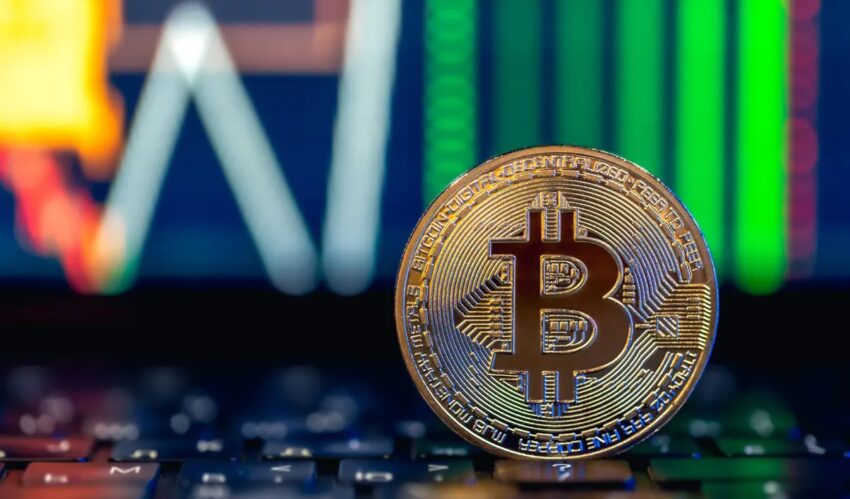
According to the report, the market dynamics are different from the bear cycles of 2014, 2018 and 2022. In those periods, rallies were quickly followed by new lows. Now the recovery is slower, preventing the accumulation of excess leverage, writes forklog.com.
Derivatives data points to a “uniquely pessimistic sentiment.” According to K33 expert Vetle Lunde, the market structure now looks more like the growth phases of 2025 rather than the false rebounds of past years.
The caution of participants is visible in institutional flows. According to 13F reports, large players reduced positions by 26,733 BTC in the first quarter. At the same time, retail investors bought back 19,395 BTC.
The bulk of the sales came from delta-neutral companies like Millennium and Jane Street. Analysts attributed this to declining yields in the crypto sector and the growing attractiveness of alternative markets.
Exchange-traded funds (ETFs) recorded one of the largest five-day outflows of funds. Sales intensified when digital gold quotes approached the average purchase price of units in ETFs. K33 explained this by the desire of investors to break even or minimize losses after a deep fall.
At the time of writing, bitcoin is trading at $77,535 (+0.8% per day).
Follow our updates
Have information for the newsroom? Share it with Logos-Press