

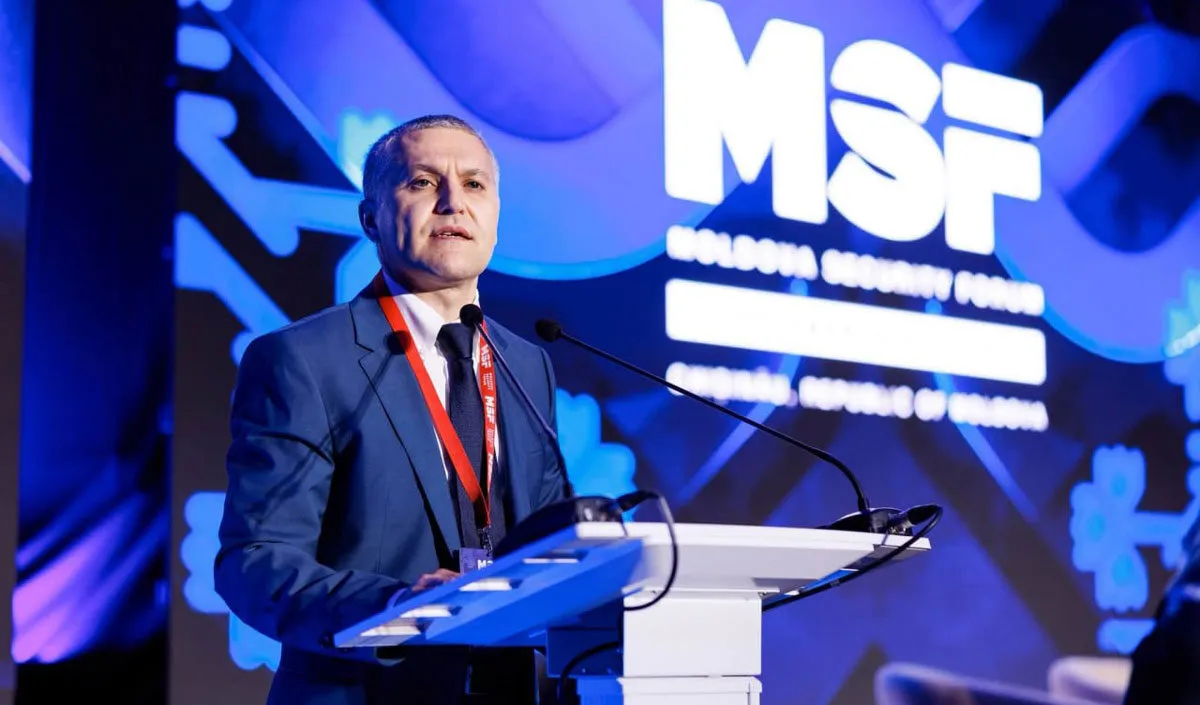
Serghei Diaconu
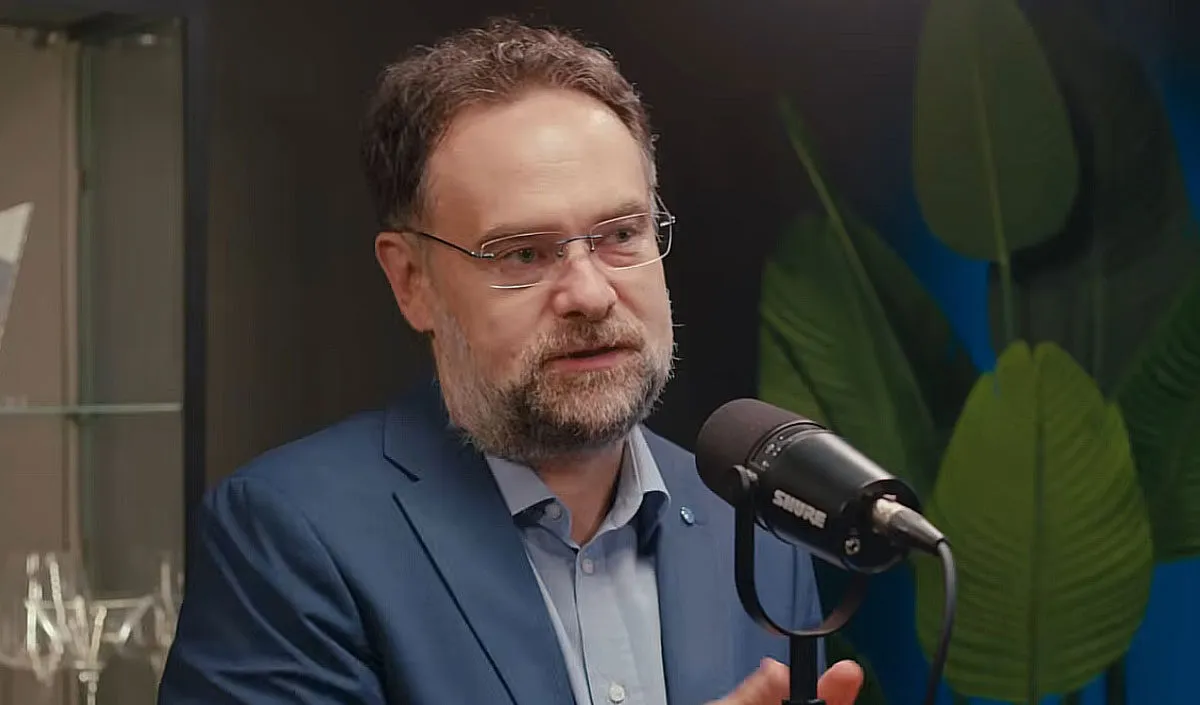
This was stated by the director of the National Crisis Management Centre, Serghei Diaconu, at the Security Forum.
“The shift towards active public preparedness is important. I would like to point out that we have a three-year national programme for civil preparedness, and this initiative will provide households with action protocols and strengthen local governance, with a view to developing the capacity to identify regional vulnerabilities. The initiative will also target private enterprises, the media and volunteer networks,” said Diaconu.
The Director of the National Crisis Management Centre emphasised that preparing the population does not diminish the role of state institutions, but rather helps to strengthen the resilience of society as a whole. In his view, effective crisis management requires cooperation between civil and military authorities, as well as the involvement of local public administration, private operators and service providers.
“An important milestone in this endeavour will be the campaign we are running this November to prepare the public for the first 72 hours following the onset of an emergency. This period is crucial for stabilising the infrastructure. When households face such problems, the emergency services must focus on priorities relating to saving lives,” said Serghei Diaconu.
According to the official, during large-scale disruptions, the central government can no longer respond on its own: “We need the involvement of local authorities, private operators and service providers. Our strategy is fully aligned with that of the European Union, incorporating a methodology that takes account of society as a whole.”
“Resilience is not defined by the absence of crises, but by the ability to anticipate risks, absorb shocks, maintain services and ensure a rapid recovery,” added Serghei Diaconu.
This story was translated with the assistance of artificial intelligence.The translation was also reviewed by the Logos Press editorial team.
Follow our updates
Have information for the newsroom? Share it with Logos-Press













Comments
0No comments yet. You can start the conversation.
Comments are open to readers with a Logos Press account.
Sign in to comment