According to UK filings, the family’s Cayman holding company expects to receive about $5.8 billion in dividends for 2025, Bloomberg writes. More than half of that amount is expected to be paid out this year. Combined with previous distributions – about $15.1 billion since 2017 – the total payout is approaching a multi-year high.
The Wertheimers inherited a business based on the legacy of Gabrielle “Coco” Chanel and turned it into one of the most profitable independent fashion houses in the world. The fortune of brothers Alain and Gerard Wertheimer is estimated at about $85 billion. Each owns an equal share of the business through an investment structure linked to the family office of Mousse Partners.
Despite their age – Alain is 77 and Gerard is 75 – the brothers continue to influence brand strategy. At the same time, operational management has long been separated from the family, with Gerard stepping down as a director, while Alain is Global Executive Chairman.
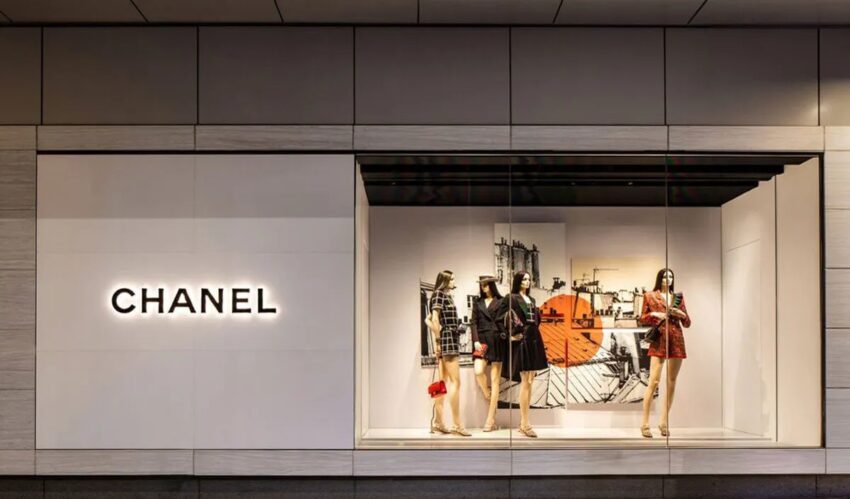
Chanel’s financial performance remains resilient against the backdrop of heterogeneous luxury market dynamics. In 2025, the company’s revenue grew by 1.8% to $19.3 billion. The growth rate is lower than that of Hermès and higher than that of LVMH over the comparable period.
By comparison, Bernard Arnault, who controls LVMH, has received about €23 billion in dividends over the past decade, while the family behind Hermès has received about €7.2 billion. Against this backdrop, Chanel stands out for the scale of its payout with limited public reporting and a zero debt load.
The company has a conservative financial policy and discloses full financials once a year. According to Chanel representatives, the zero net debt policy is maintained regardless of market conditions.
In parallel, the family office of Mousse Partners is diversifying investments outside the luxury business. The portfolio includes investments in biotechnology, medical services, consumer brands, real estate and technology startups.
Chanel maintains strong financial performance against the backdrop of a slowdown in the luxury industry, supported by stable demand and a conservative financial policy.
Follow our updates
Have information for the newsroom? Share it with Logos-Press