
This is stated in GRECO’s 2025 annual report, published on June 30, 2026.
Government leaders must set an example in matters of integrity
Against the backdrop of recent corruption scandals in Moldova, the GRECO report’s specific mention of the role of senior officials in central government agencies in establishing a corruption prevention system takes on particular significance.
According to the organization, political leadership must not only support anti-corruption reforms but also demonstrate standards of conduct that serve as an example for the entire public administration and society.
GRECO emphasizes that such commitments must be accompanied by effective legal and institutional mechanisms that prevent corruption risks and ensure the accountability of public officials.
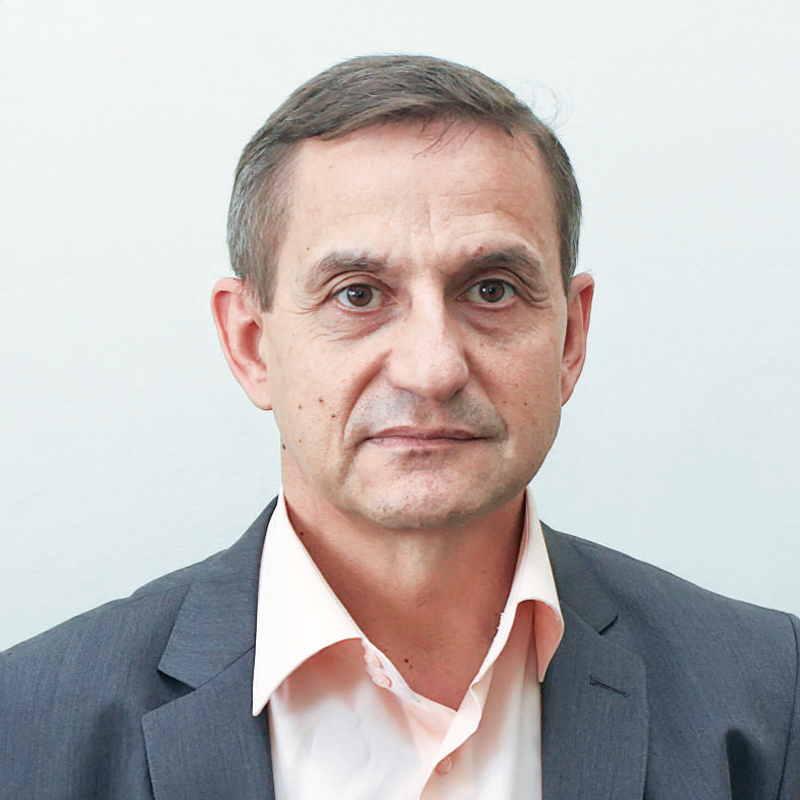
GRECO President David Meyer noted that democracy requires both ethical leadership and effective safeguards.
“Democracy requires both ethical leadership and effective safeguards. In all states, special attention must be paid to ensuring that reforms of key institutions responsible for preventing and combating corruption—including the judiciary, law enforcement agencies, the prosecutor’s office, and specialized anti-corruption bodies—preserve their independence, effectiveness, and public trust,” he stated.
In early April, Logos Press reported on GRECO’s fifth report on Moldova, in which the organization highlighted systemic shortcomings in Moldova’s anti-corruption reforms. Among the key problems, in particular, was the insufficiently effective counteraction to elements of maladministration.
Special attention was paid to conflicts of interest and lobbying—areas where, according to experts, a regulatory vacuum persists. “Regulation of interactions with lobbyists and third parties remains limited and fragmented,” the April report noted.
These gaps in the Moldovan authorities’ anti-corruption efforts are now fully evident in the situation surrounding Moldatsa and several other cases.
Countries are gradually implementing transparency standards
At the same time, the GRECO report shows that in 2025, countries continued to implement the organization’s recommendations on preventing corruption and strengthening integrity mechanisms.
GRECO notes gradual progress, although reforms are being implemented slowly in many countries. One of the main trends has been a shift in focus from responding to corruption violations that have already occurred to establishing prevention systems.
As of December 31, 2025, GRECO had published reports on 32 countries as part of the fifth evaluation round, which focused on preventing corruption among representatives of central government and law enforcement agencies.
States fully or partially implemented 69.6% of GRECO’s recommendations regarding central government bodies. A year earlier, this figure stood at 63%.
With regard to law enforcement agencies, the proportion of recommendations fully or partially implemented rose from 71.7% to 77.2%.
Key Issues: Oversight and Conflicts of Interest
Despite the progress, GRECO points to persistent problems in many countries.
Among the areas where further reforms are needed, the organization highlights the following:
– compliance with codes of conduct for senior government officials;
– oversight of compliance with integrity standards;
– management of corruption risks;
– transparency in dealings with lobbyists;
– openness of the legislative process;
– access to information;
– prevention of conflicts of interest;
– disclosure of assets and interests by public officials.
With regard to law enforcement agencies, GRECO highlighted the need to further improve anti-corruption policies, personnel appointment and selection procedures, rules for preventing conflicts of interest, income and asset declarations, and oversight mechanisms.
Combating Corruption and Democratic Sustainability
GRECO links the effectiveness of anti-corruption reforms to the level of public trust in state institutions.
This conclusion applies most directly to Moldova, given the extremely low level of public trust in state institutions and senior officials.
The organization also notes that, amid declining trust in government institutions and rising geopolitical tensions, preventing corruption is becoming not only a matter of good governance but also a means of safeguarding democratic systems.
In 2025, GRECO also began its first evaluations as part of the sixth monitoring round, which focuses on preventing corruption at the local and regional levels. Estonia and Slovakia were the first countries to undergo such an evaluation.


