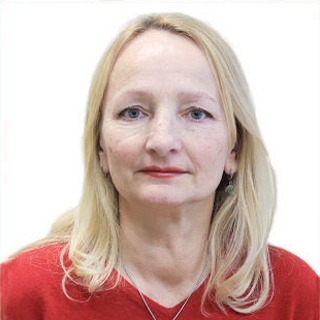

He said the establishment of such a criterion is not based on research that clearly demonstrates that it represents the optimal level for the administration to function effectively.
The expert noted that the threshold of 3,000 inhabitants is arbitrary, has no solid basis and does not take into account the different realities of local communities.
Villages need financial decentralization
“In antiquity, it was said that a community should have about 3,000 people for optimal governance,” he said. – But today no one can say whether a population of 3,000, 2,500 or 2,000 is optimal, because there is no scientific justification anywhere in this regard.”
Viorel Rusu clarified that the efficiency of local self-government depends not only on the number of population, but primarily on the way of financing and the degree of fiscal decentralization.
“As long as we don’t have fiscal and financial decentralization, localities will not prosper even if 10 villages are united,” he stressed. – And that’s because most of the funds are centralized. If the government takes 80 percent of the funds in the state budget and then redistributes that money, how can the mayor’s office cover its administrative costs with its own revenues?”


