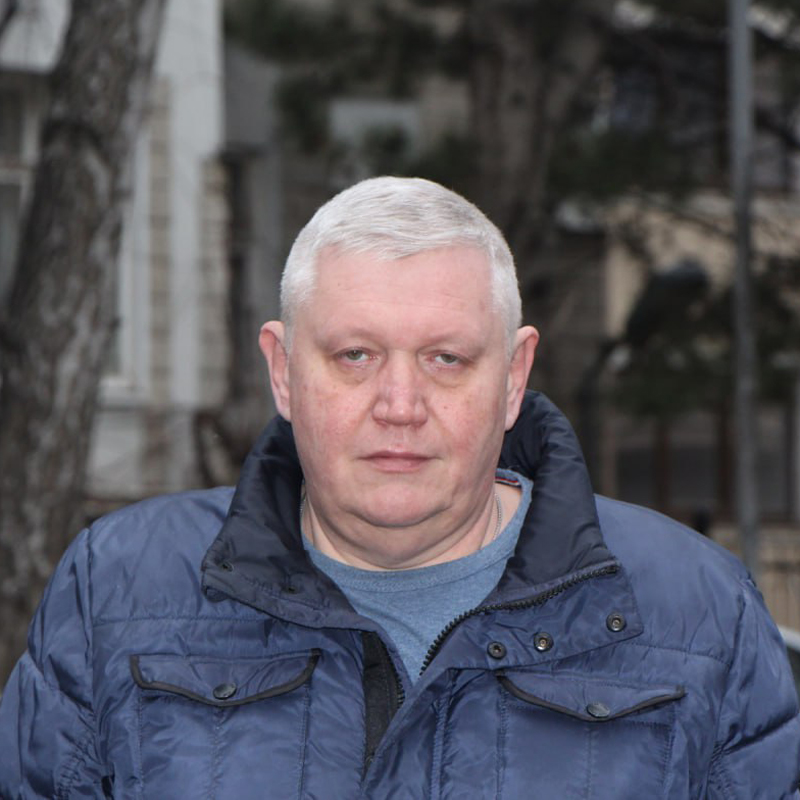

This was announced by Energy Minister Dorin Junghietu in an interview with Logos Press.
The Energy and Biomass Project in Moldova, which took place in 2011-2018, financed by the EU and implemented by the UNDP, has become one of the most effective projects in the energy sector of the country. It ensured the transition of hundreds of public institutions (schools, kindergartens, hospitals) to heating from renewable sources, improving energy security, creating a local biofuel market and installing more than 200 heating systems.
As a result, it was recognized as a model by the European Energy Community.
However, after the European funding ended, the project stalled. But now, assured Dorin Junghietu, it is being revived at a new level.
The topic has not “disappeared”, but is entering a new phase – from donor projects to sustainable market development, the minister clarified.
“During the implementation of the project, the key thesis was proved: biomass is one of the most accessible internal renewable resources for the Republic of Moldova. Biomass is not an alternative to solar or wind energy, but its logical complement, especially in the heat segment, where it can give maximum effect with minimum dependence on imports. After the project was completed, the focus did shift – but not because of the abandonment of the direction, but because the market had to move from a subsidized model to a commercial one. The government’s attention temporarily focused on the gas and electricity crises, and rapid integration into the EU market and the development of the electricity sector became a priority. However, in strategic documents – both in the National Energy and Climate Plan (PNIEC) and in the draft Energy Strategy – biomass remains an important element of the energy mix, especially in the heating sector and in rural areas,” the Energy Minister said.
He added that today we are actually witnessing the second breath of this direction, but in a more mature format.
The Ministry of Energy together with partners launched in 2024 a specialized platform for the biomass market, which connects fuel producers and consumers, mechanisms to support the modernization of pellet and briquette production are being considered; the segment of energy efficiency in buildings is being developed, where biomass remains a competitive solution; biogas and cogeneration projects based on agricultural waste are being discussed.
“The key approach now is not just to repeat an old project, but to build biomass into a new energy model, as a local heat source, especially for vulnerable households, as an element of energy independence in rural areas and as part of the circular economy where waste is turned into a resource,” said Dorin Junghietu.
The full interview is available HERE.


