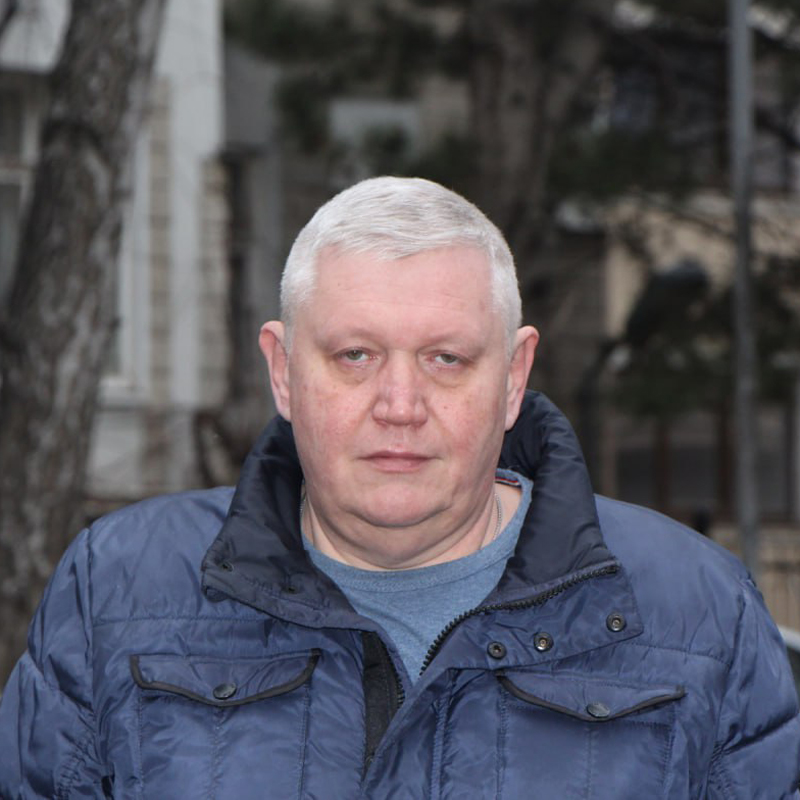

Dorin Jungietu
This limit will increase in the near future, assured Energy Minister Dorin Jungietu in an interview Logos Press.
“It is important to be clear: the quota of 2.4 GW for the Moldova-Ukraine common control block, of which Moldova accounts for 15%, respectively, of the number of transmission lines, is not a political or commercial restriction, but a technical parameter determined by the transmission system operators within ENTSO-E. We are talking about the available cross-border capacity – NTC (Net Transfer Capacity) – between the Moldova-Ukraine block and the continental European network,” the minister said.
The NTC calculation mechanism is based on strict security rules of the energy system. Operators calculate the maximum permissible power flows taking into account the stability of the grid under different load scenarios, the N-1 principle (the system must withstand the failure of one key element), the condition and capacity of internal and cross-border lines and synchronous operation with the European grid after emergency synchronization in 2022.
After that, the available capacity is allocated through market mechanisms – primarily day-ahead and intraday capacity auctions, which ensures transparent and competitive access for market participants.
In the future, the construction of the Balti-Suchava 400 kV Straseni-Gutinas 400 kV lines will directly affect this parameter.
Today, the ~2.4 GW limitation is caused, among other things, by bottlenecks in the region’s grids and insufficient physical interconnection. The new interconnectors will increase the number of physical transmission “corridors”, reduce the load on existing lines, improve system stability and allow operators to safely raise flow limits.
Transmission system operators estimate that once the new lines are in place, capacity could increase in stages – roughly hundreds of megawatts for Moldova, with the potential for further growth as the network is modernized and regional infrastructure is developed.
In the broader regional context, this sets the stage for a review and gradual increase of the current level of 2.4 GW.
“However, it is important to emphasize: NTC growth does not happen automatically with the commissioning of a single line. It is the result of a comprehensive assessment of the entire regional network, including infrastructure in neighboring countries. Therefore, our strategy is not only to build new lines, but also to work with partners in the EU and Ukraine to synchronously strengthen the entire system. The key thing here is the transition from “limited integration” to full participation in the European electricity market, where trade volumes are determined not by quotas, but by the real capacity of the network,” emphasized Dorin Zhungietu.
The full text of the interview is available HERE.


