Send us a message, and we will definitely consider your suggestions and comments.

In the first half of 2026, Moldova’s exports of goods totaled 1,650.5 million euros, an increase of 12.5% compared with the same period in 2025.

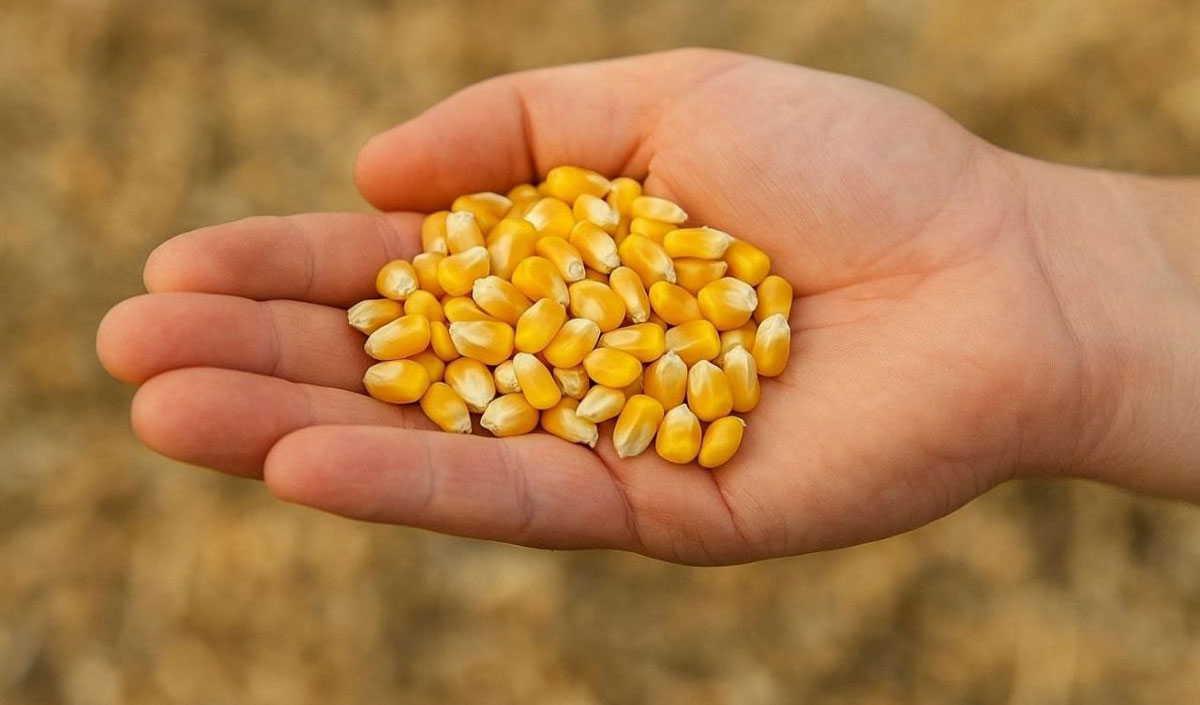
In July 2026, the country exported approximately 21,500 metric tons of corn worth a total of 94 million lei, at an average price of 4.37 lei per kilogram. This represents a significant increase over last year’s July exports—both in volume (+68.8%) and value (+3.1%).
Czech companies are interested in importing honey, dried fruit, furniture, chocolate, and spirits from the Republic of Moldova. The topic was discussed by representatives of the business communities of Moldova and the Czech Republic during a meeting at the Chamber of Commerce and Industry of the Republic of Moldova, organized with the support of the Ministry of Foreign Affairs of the Republic of Moldova and the Czech Embassy in Chișinău.

In July of this year, Moldova exported nearly 3,500 metric tons of sunflower oil at an average price of 22.4 lei per kilogram. In the same month, imports of this product into the Moldovan market totaled about 1,100 metric tons, but the average price of sunflower oil imported into the country was higher—27.9 lei per kilogram.

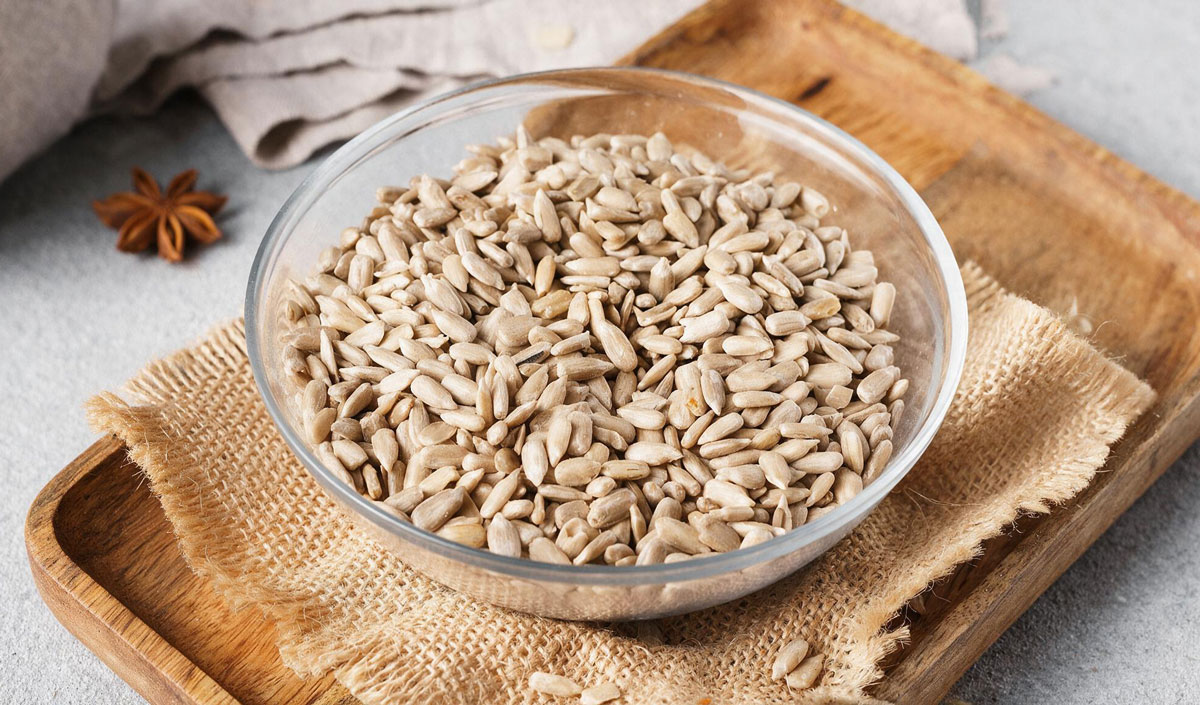
In July of this year—that is, in the final month of the 2025/26 marketing season—a total of 6,800 metric tons of sunflower seeds were exported from Moldova. These were the last commercial stocks of raw materials from last year’s harvest. The volume of exports in July 2026 was one-third less than in July 2025 (20,5 thousand metric tons). This is the lowest level of sunflower seed exports for July recorded in five years.
Authorities plan to investigate cases where the import of goods could harm domestic businesses.
Starting September 1, pearls, furs, caviar, and a number of other goods imported into Moldova by economic agents registered in Transnistria will be subject to VAT and, where applicable, excise taxes. This measure is provided for in a draft government resolution prepared by the Ministry of Finance.
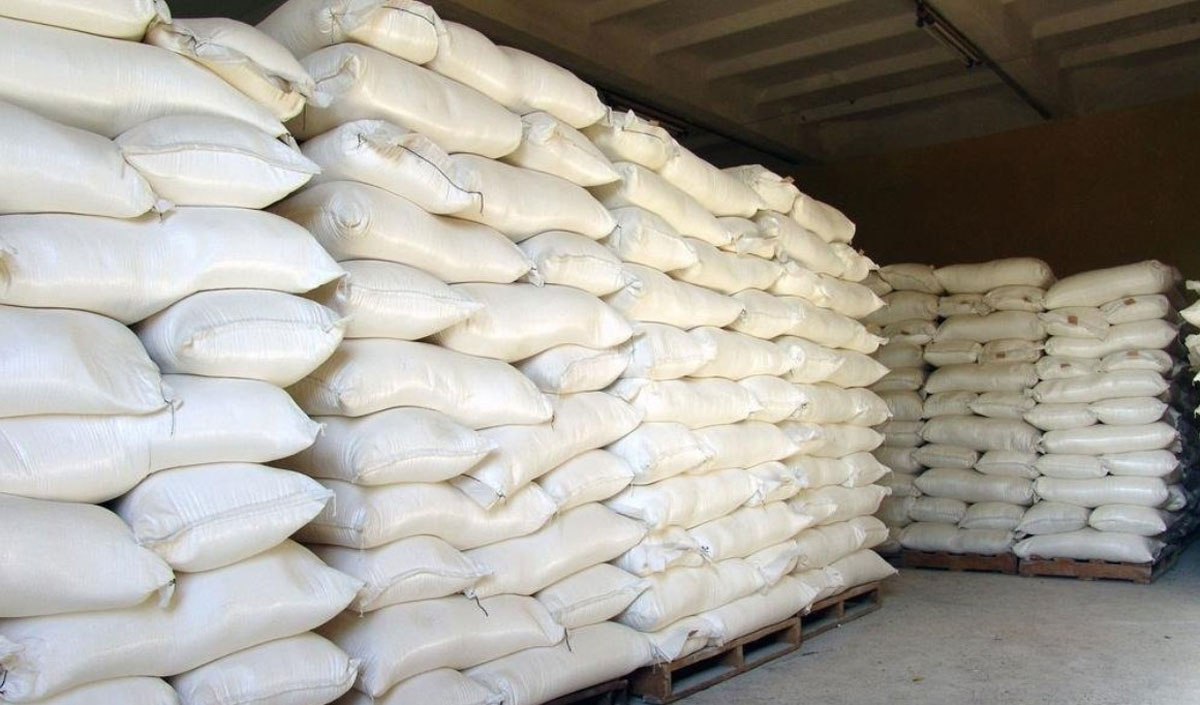
Anticipating the virtually inevitable logistical challenges related to agricultural commodities in the near future, Moldovan traders exported a record amount of wheat in July 2026—151,000 metric tons worth 567 million lei (an average of 3.67 lei per kilogram).
Prime Minister Vasile Tofan called on the relevant ministries to strike a balance between environmental protection and the development of the extractive industry so that Moldova can make greater use of domestically produced construction materials.

In July 2026, just over 84,000 metric tons of rapeseed were exported from the Republic of Moldova. Last year, the volume of shipments during that month was nearly a third higher—about 119,000 metric tons. Market operators believe that the problem lies not in limited demand, but in inflated price expectations and limited transportation logistics capacity.
The Investment Agency of the Republic of Moldova has released its first-ever national ranking, “Top Exporters from Moldova,” which includes 25 companies from various economic sectors. The selection process was conducted in several stages based on data from government agencies and an independent assessment.

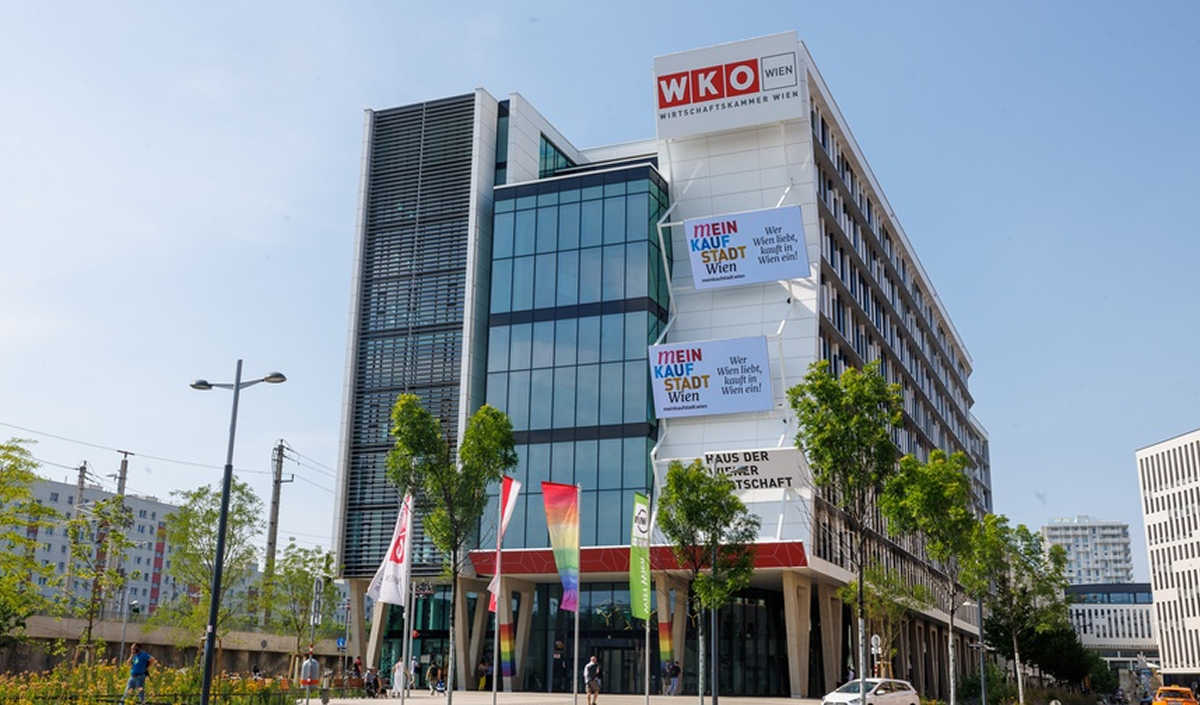
Moldovan entrepreneurs are invited to participate in an economic mission to Vienna. The event will bring together representatives of the business communities of Moldova and Austria and provide opportunities for B2B meetings, finding new partners, expanding exports, and attracting investment.
Customs Service officials conducted three searches in southern Moldova as part of a criminal investigation into the smuggling of tobacco products.

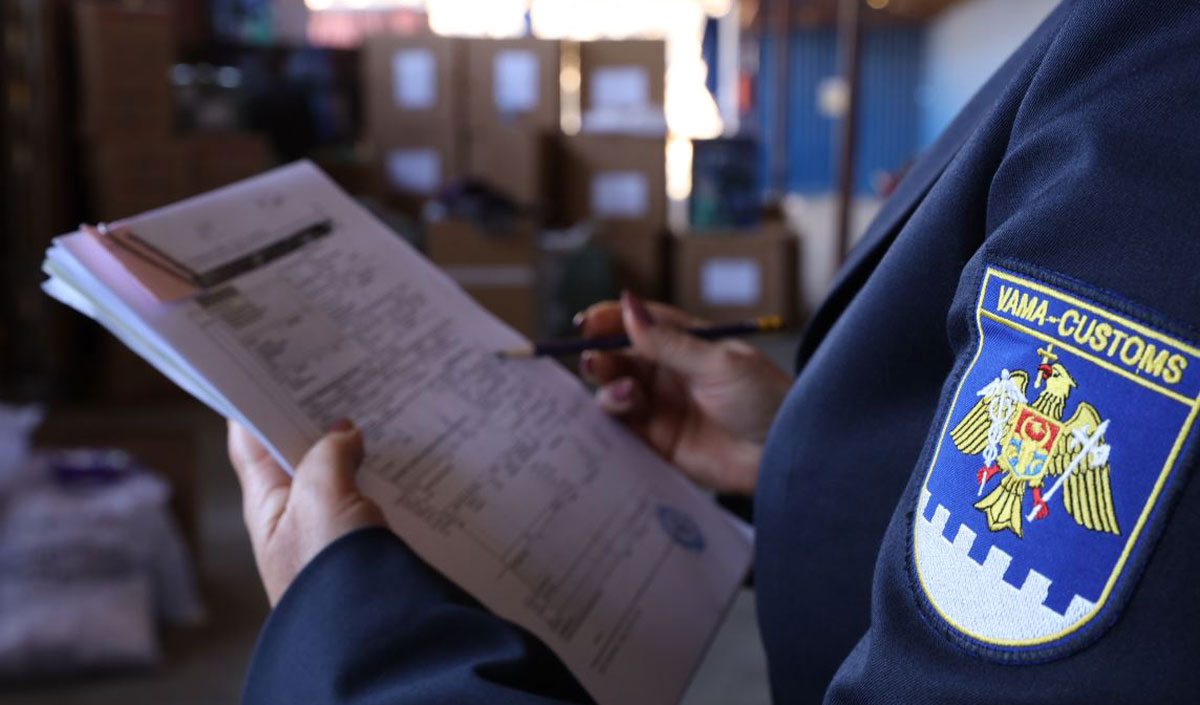
From August 3 to 9, 2026, revenue from the Customs Service to the state budget totaled more than 847.3 million lei. Since the beginning of this year, approximately 25.42 billion lei has been collected for the state treasury, representing 102.5% of the target.
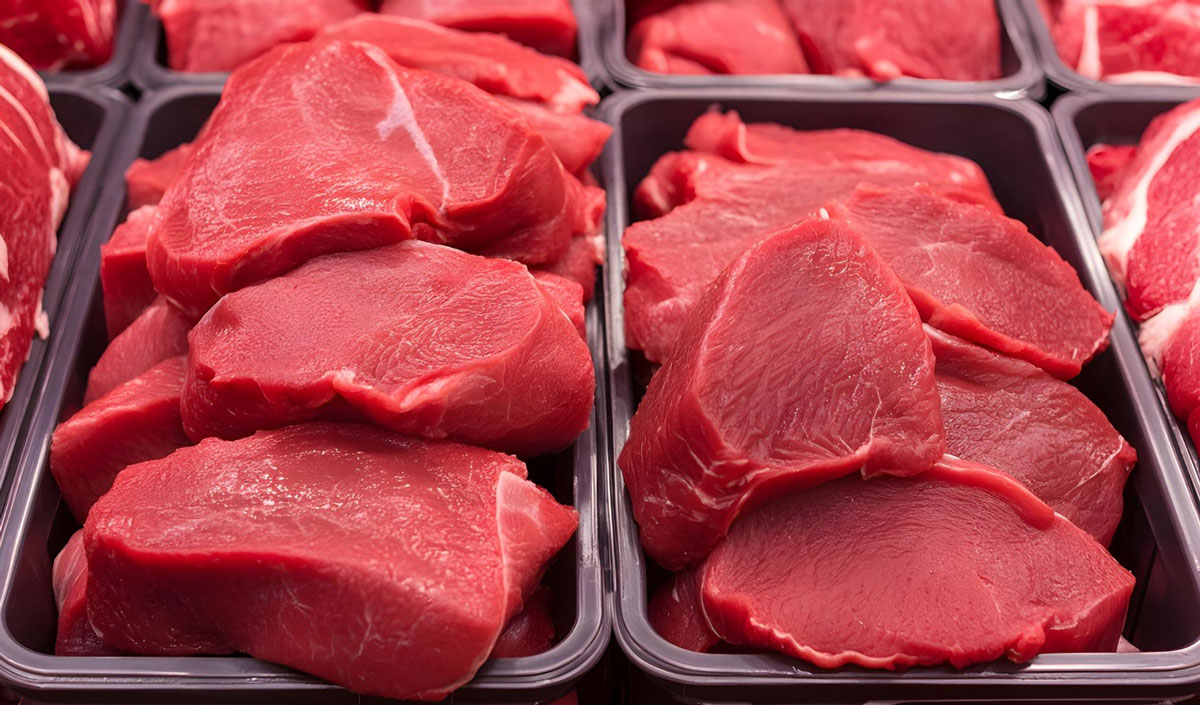
Although Ukraine has increased its meat exports 33-fold this year, Moldova purchases virtually no meat from Ukraine.
Due to disruptions at Black Sea ports, Ukraine will be able to export about 29.6 million metric tons this season, which is 54% lower than the previous estimate of 64.4 million metric tons, according to the country’s Ministry of Agrarian Policy. Wheat exports could fall by 53%—to 8.3 million metric tons—compared with an earlier forecast.
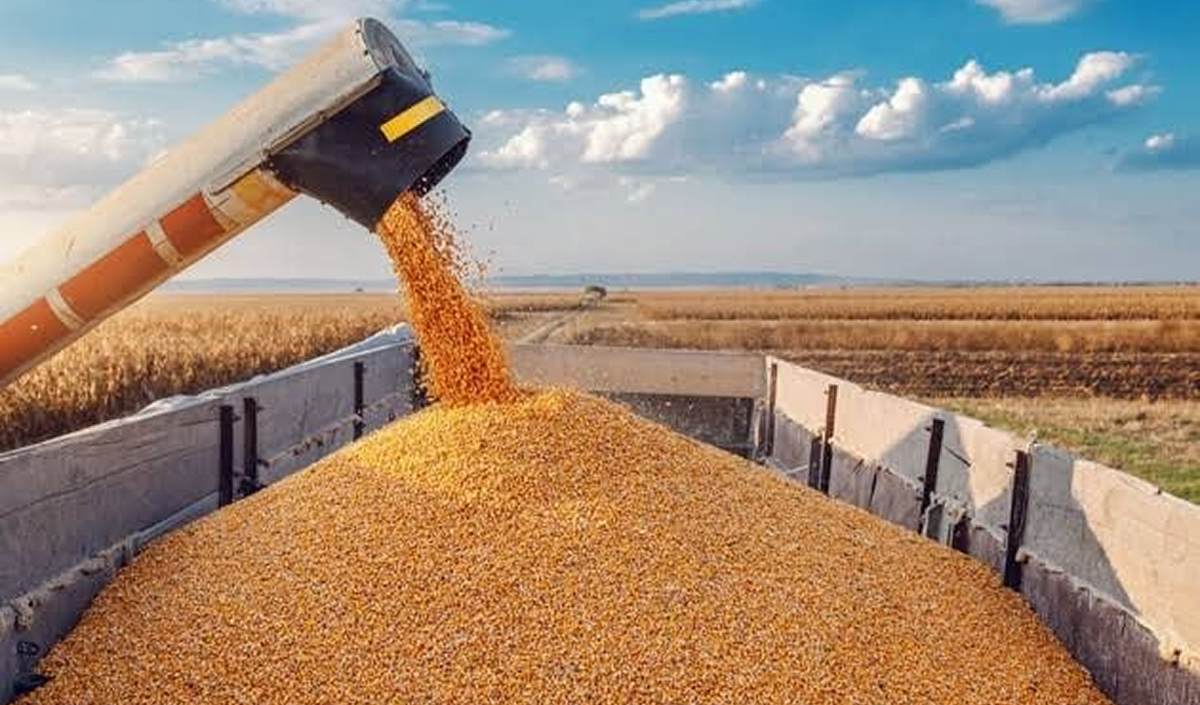
Moldovan Prime Minister Vasile Tofan stated that the government has no plans to impose restrictions on Ukrainian grain imports, despite demands from some local farmers. According to him, there is no basis for such measures, since Ukrainian grain has not actually entered the Moldovan market this season.
From July 27 to August 2, 2026, revenues from the Customs Service to the state budget totaled more than 988.7 million lei, which is 117.3% higher than the target for the reporting period.

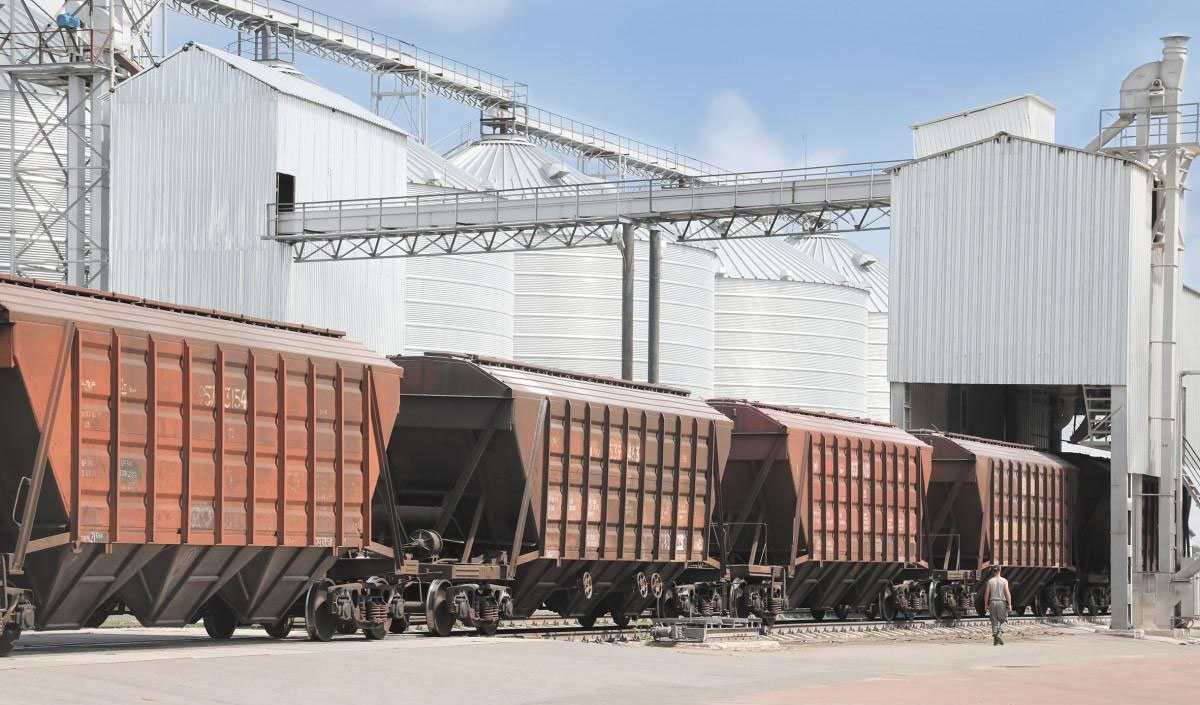
The All-Ukrainian Agrarian Council and the All-Ukrainian Agrarian Business Club are asking Prime Minister Serhiy Koretsky to postpone the increase in Ukrzaliznytsia’s freight rates—scheduled for August— by 30% and to review its pricing policy. Otherwise, the cost of shipping Ukrainian grain to the Romanian port of Constanța could rise to $60–70 per metric ton.
The Caspian Pipeline Consortium (CPC), which owns the terminal and pipeline, issued a statement announcing another shutdown just two days after resuming oil loading onto tankers in Novorossiysk following a week-long hiatus.


