Send us a message, and we will definitely consider your suggestions and comments.

Total wheat exports from Russia and Ukraine in July–September this year are estimated at approximately 8 million tonnes — the lowest figure for the first three months of the season since the 2010/11 marketing year.

Hungary and Germany showed the most rapid growth in purchases of Moldovan goods among the republic’s key trading partners. Shipments almost doubled, according to the latest official statistics for the first seven months of 2026: to Hungary by 89.3 per cent, and to Germany by 67.6 per cent.
In the first ten days of September, the largest volume of Ukraine’s agri-food exports via road ‘solidarity corridors’ was routed through the Polish border — 49,3 thousand tonnes (43.3 per cent of all shipments). A total of 24,600 tonnes (21.6 per cent) of Ukrainian goods in this category were exported via Romania, and 19,900 tonnes (17.5 per cent) via the Republic of Moldova. A total of 13,800 tonnes (12.1 per cent) passed through Hungary, and 6,200 tonnes (5.4 per cent) through Slovakia.

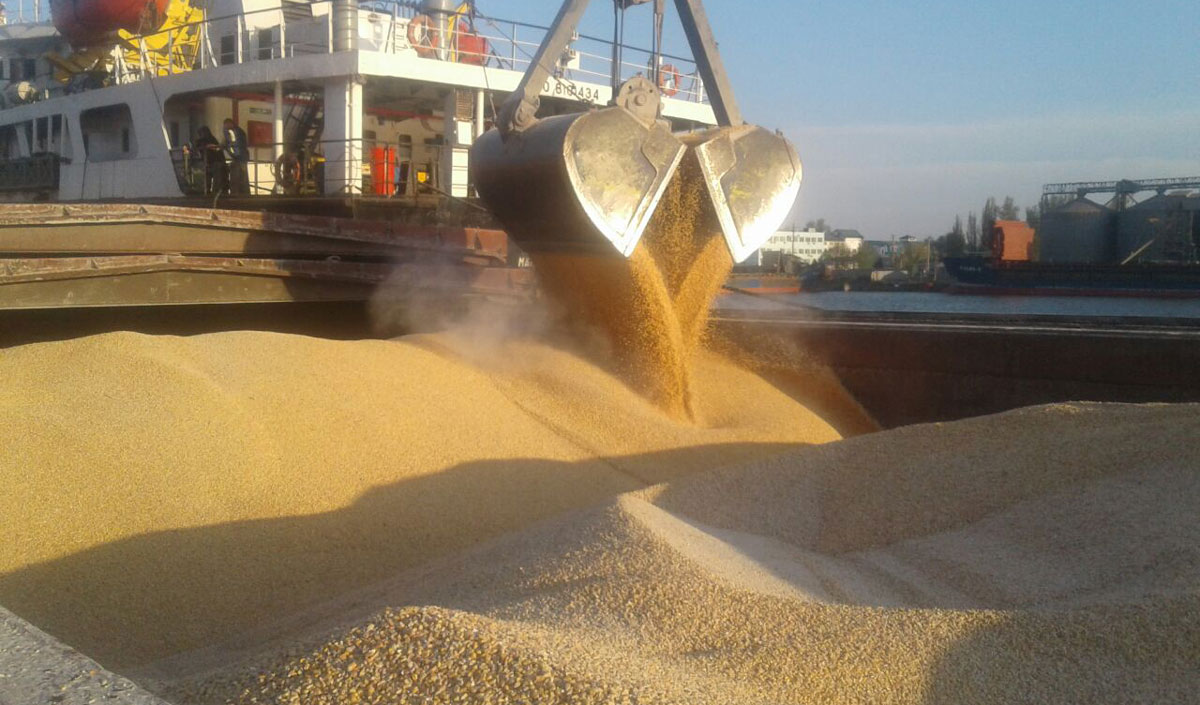
Few in Moldova had expected record exports of new-crop wheat from the very first months of the 2026/27 marketing year. In July–August 2026, more wheat was sold abroad than in the same period of 2021, which until now had been regarded as the benchmark – the best year for Moldova’s grain market. Moreover, this summer, Moldova rose to a very notable second place in the ranking of the largest suppliers of wheat to the European Union.

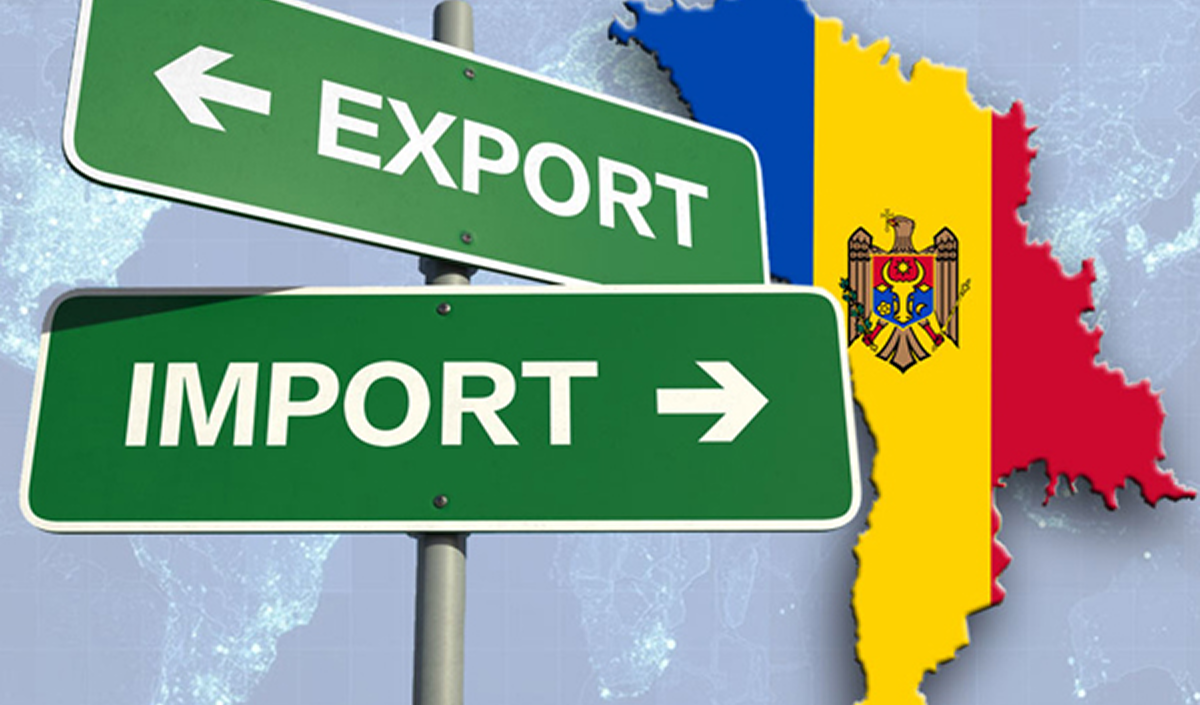
Despite the faster growth of Moldovan exports, the trade deficit in January–July 2026 increased by 4.9 per cent and amounted to around 4 billion euros. The positive trend in domestic exports during the first half of the year was unable to bridge the gap between imports and exports following a brief period of contraction. It continues to widen. In absolute terms, the trade deficit rose by 179.3 million euros.
The volumes of sunflower seeds from last year’s harvest available for export at the end of the 2025/26 marketing year were significantly lower than in previous years. In July–August of this year, a total of just 9,000 tonnes of sunflower seeds were exported from Moldova — approximately 64 per cent less than in the same period last year. This is the lowest figure for exports of this oilseed from Moldova since 2022.

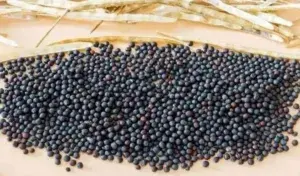
Between July and August this year, the Republic of Moldova exported around 191,000 tonnes of rapeseed. Compared with the figure for the same period last year (around 229,000 tonnes), the physical volume of exports fell by almost 17 per cent. Nevertheless, rapeseed exports this season are higher than the average for the summer period over the current five-year period.
Around 200 lorries carrying agricultural produce are waiting at Moldova’s borders to enter or leave the country. For this reason, on the last working day of this week, local traders have scaled back their current purchases of grain for export until such time as the logistical delays affecting cross-border traffic are reduced.

In 2025, Moldova exported goods worth €132.7 million to Germany, which is 40 per cent less than three years ago.

Avesterra Group – a Ukrainian poultry producer – is entering new markets this year. The company has already made its first deliveries of chicken to the UK, the Netherlands and Estonia. Avesterra Group is currently preparing its first consignment for shipment to Georgia and is working on entering the Moldovan market.

Officers from the Cross-Border Crime Investigation Department of the General Inspectorate of the Border Police have uncovered a scheme to smuggle counterfeit cigarettes and ethyl alcohol.

The Republic of Moldova plans to ban the import of live and chilled bivalve molluscs originating in or consigned from Turkey. Imports of frozen and processed molluscs will be subject to 100 per cent laboratory testing. These measures are set out in a draft order drawn up by the National Agency for Food Safety (ANSA).

The blockade of Ukraine’s Black Sea ports is not only a logistical problem, but also a direct passing on of the costs of the war to farmers. According to calculations by the Ukrainian Agribusiness Club, rerouting agricultural exports from the Black Sea region via the Danube, by rail and through EU ports adds between 50 and 90 euros to every tonne of goods transported.
In 2025, Moldova exported goods worth 131.8 million euros to Germany, which is 16.37% less than in 2024. Imports from Germany, by contrast, rose by 6.65 per cent to nearly €657.7 million. Against the backdrop of such a significant trade deficit, opportunities for Moldovan companies to expand their exports to the German market will be presented on 10 September as part of the Export Vision – Germania event.

Between 1 and 6 September 2026, revenue from the Customs Service to the state budget amounted to over 881.11 million lei, which is 121.6 per cent higher than the target figure for the reporting period.

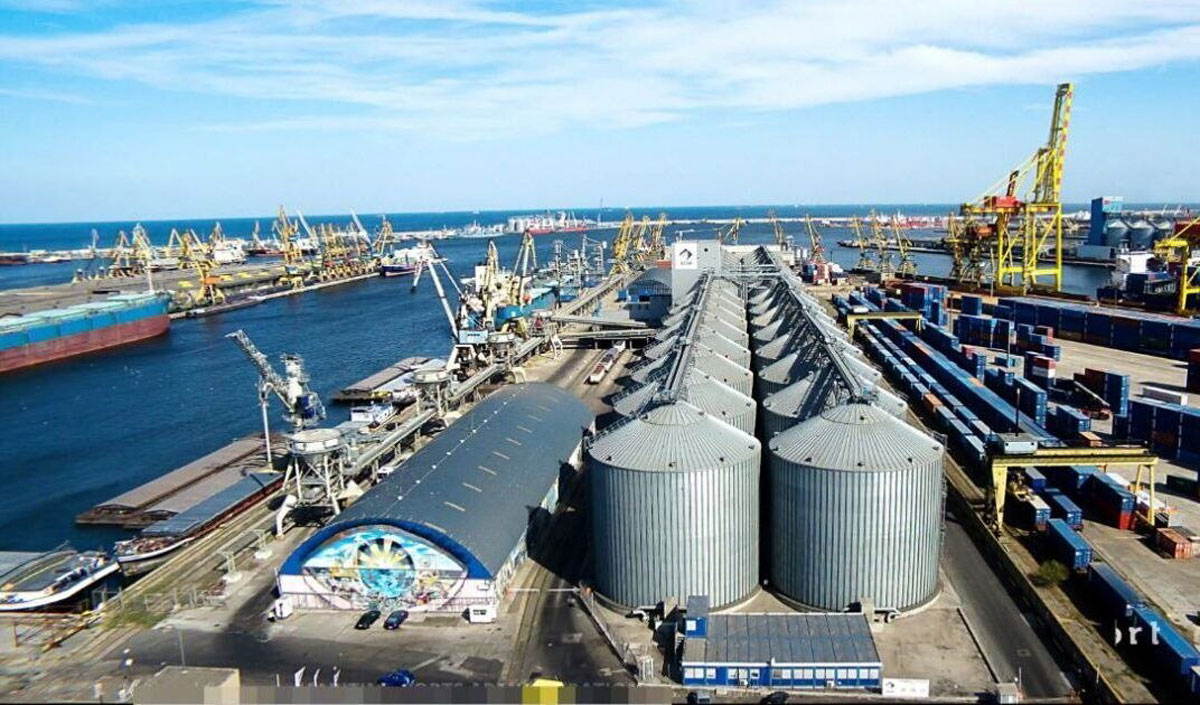
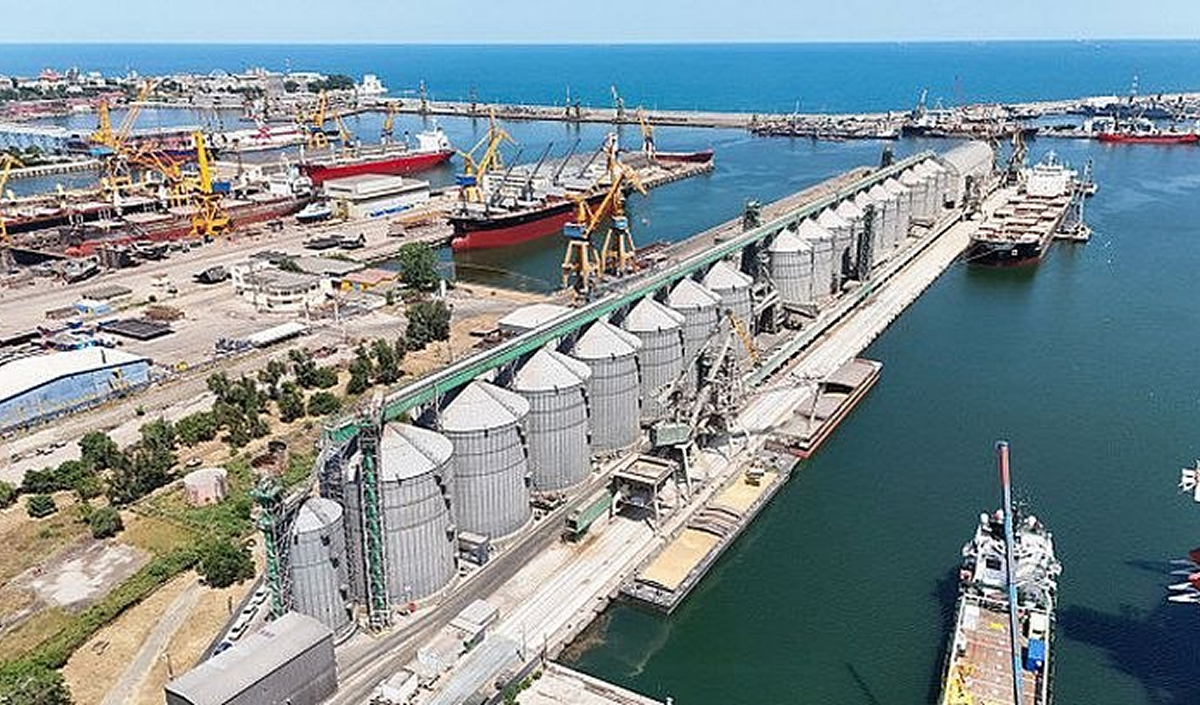
This week at the Port of Constanța ended with rising prices for grain and oilseeds. Specifically, the price of food-grade wheat (protein content over 12%) rose from 226 euros/metric ton to 233 euros/metric ton, corn rose by 5 euros per metric ton to 223 euros per metric ton, and sunflower seeds rose by 13 euros per metric ton to 514 euros per metric ton.
By the end of August 2026, the grain and oilseed market in the Black Sea region, according to experts, had ceased to respond to traditional “supply and demand” signals. Nor did it respond to benchmark prices set on the MATIF (Euronext) futures exchange or in ports (Constanta). Moldovan farmers and traders felt the full impact of this anomaly.
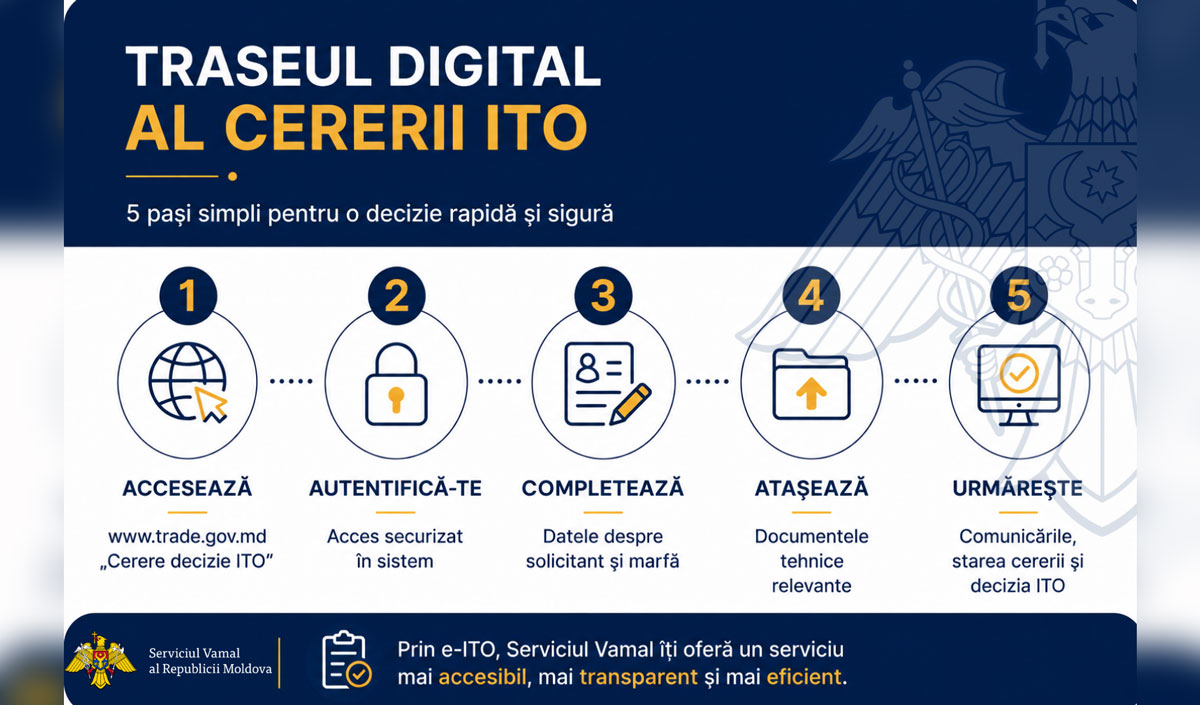
Starting September 1, 2026, applications for decisions on mandatory tariff information will be processed through the e-ITO information system. This will reduce paper usage, ensure greater transparency in customs operations, and make the decision on the procedure predictable before customs operations begin.
Moldova and Kazakhstan remain the two largest export markets for Ukrainian cheese: from January through July 2026, they accounted for 34.8% and 25.8% of Ukrainian exports, respectively.

The Port of Constanța may face a shortage of transshipment capacity for both Romanian and Ukrainian goods. The shortage could amount to approximately 11.6 million metric tons.