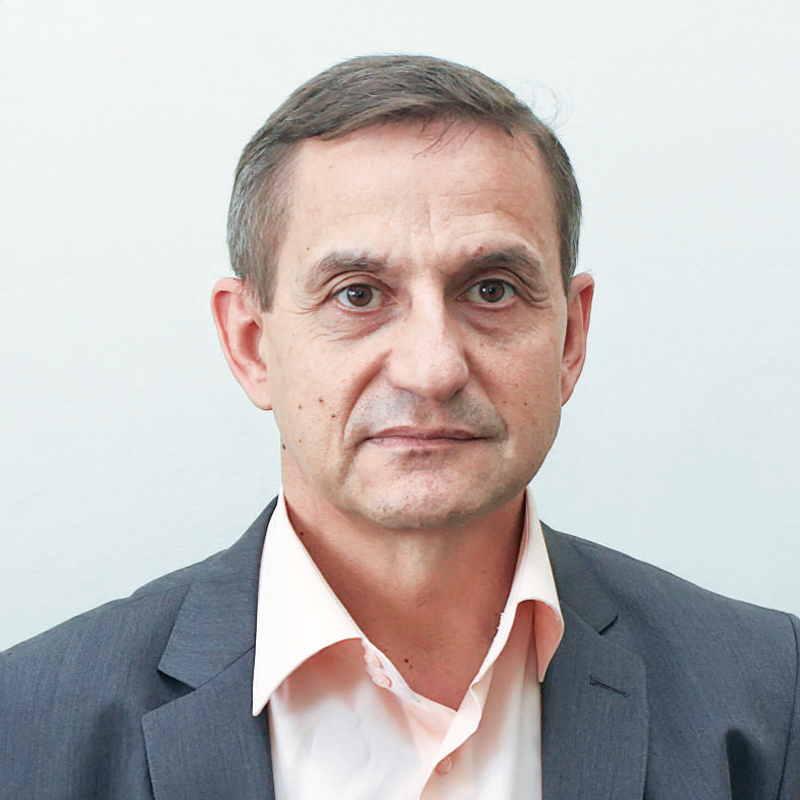

Kaya Callas. Photo: Yves Herman/Reuters
According to RBC, she emphasized that the EU views the situation first and foremost as a matter of European security.
“We need concessions from the Russian side as well,” the publication quoted Callas as saying. She also noted that the European Union is discussing requirements to Russia, which Brussels believes are necessary to ensure long-term stability and peace in Europe.
The figure of the negotiator has already led to controversy
One of the central topics of discussion around possible negotiations with Russia has been a figure who could speak to the Kremlin on behalf of the EU.
As RBC notes, Russian President Vladimir Putin earlier declared Moscow’s readiness for negotiations and named former German Chancellor Gerhard Schröder as the preferred candidate for the role of negotiator on behalf of Europe.
However, Kallas dismissed the idea out of hand, calling it “not very sensible.” She pointed out that Schröder has worked with Russian state-owned companies in the past. In such a situation, she said, he would find himself “on both sides of the negotiating table.”
At the same time, the EU itself has already heard several candidates for the right to negotiate with Russia, but as soon as a specific name was mentioned (Finnish President Alexander Stubb, for example), there were dozens of arguments against it.
Therefore, in addition to the topics and format of possible negotiations, the candidacy of the negotiator will also cause heated discussions within the EU.
There are more and more voices in favor of negotiations
At the same time, there are more and more voices in the EU in favor of a possible dialog with Russia. The need for future negotiations with Moscow has been voiced by many European politicians in recent months, RBC recalls.
The head of the European Council, António Costa, said earlier that he was holding consultations with EU leaders to determine a possible format of interaction with Russia “at an appropriate moment.”
French President Emmanuel Macron also reported about the preparation of a technical dialog with Moscow, but the Kremlin later said that the contacts had not led to positive results on the Ukrainian issue.
Several other European politicians, including former European Commission head Jean-Claude Juncker, have previously spoken in favor of a gradual normalization of relations with Russia.
At the same time, the official position of most EU countries remains tightly linked to the development of the conflict in Ukraine and security issues in Europe.


