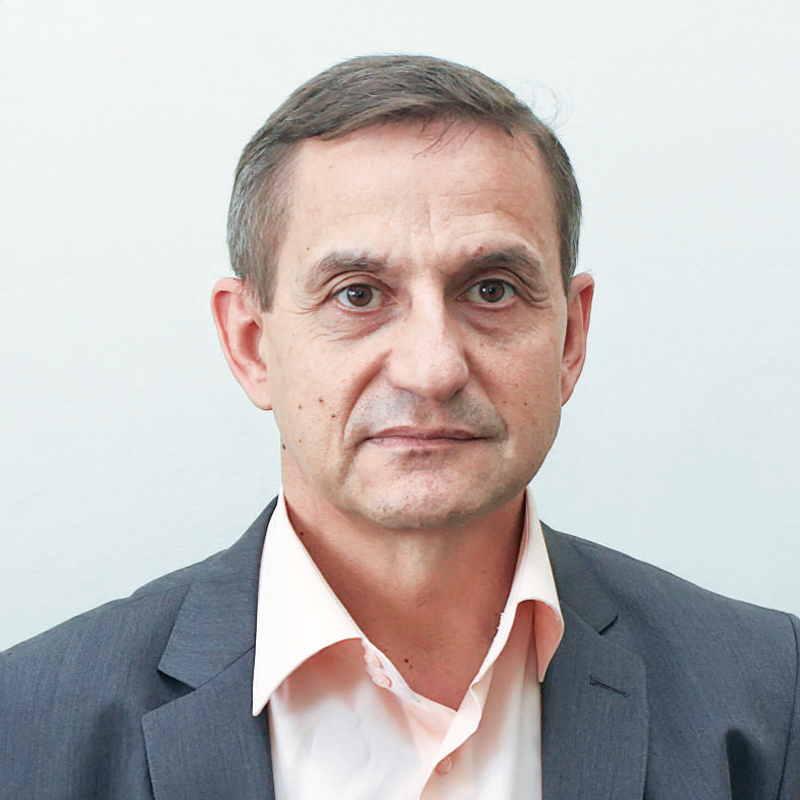

He said the rise in spending is directly related to geopolitical tensions in the Middle East, which have affected prices and the stability of energy supplies, reports ukrrudprom.com. The situation, Jorgensen noted, strengthens arguments in favor of the EU’s accelerated transition to alternative energy sources and reducing dependence on fossil fuel imports.
Dependence on Russia persists
At the same time, the supply structure shows that the EU still maintains a significant dependence on external sources, including Russian gas. At the end of 2025, Russia is the second largest supplier of liquefied natural gas (LNG) to the EU with a share of about 16%, behind only the US.
Taking into account pipeline supplies, the share of Russian gas in total EU imports amounted to about 13%. At the same time, Russian LNG supplies to Europe increased to 6.8 billion cubic meters in the first quarter of 2026, and the highest monthly volumes were recorded in January and March.
The growth in purchases comes against the backdrop of earlier political decisions to phase out Russian gas. Since March 18, 2026, the EU has had an import restriction mechanism in place, providing for a complete phase-out by the end of September 2027.
European Commissioner for Energy Dan Jorgensen believes that the planet is probably facing the worst energy crisis of all time.
The EU is preparing for a shortage of fuel, especially aviation fuel. Even if the war ends soon, it may take several years to normalize the situation.


