Send us a message, and we will definitely consider your suggestions and comments.

The first half of 2026 caused Moldovan experts and officials considerable anxiety. The National Bureau of Statistics’ (NBS) switch to EU calculation standards unexpectedly ‘exposed’ hidden problems, pushing official unemployment to a record 10.4 per cent at the start of the year. Nevertheless, by the end of June the situation had stabilised, showing a classic seasonal rebound.

Reports on the water regime of the Dniester in recent months resemble updates from the front line – they are deeply worrying. This week, the inflow of water from the upper reaches of the river into the Dniester Reservoir stood at 16–24 cubic metres per second. In other words, it has risen slightly from the unprecedentedly low figure recorded last weekend. Nevertheless, the water level in the reservoir has since fallen by a further 10 cm or so – below the 111.5-metre mark above sea level.

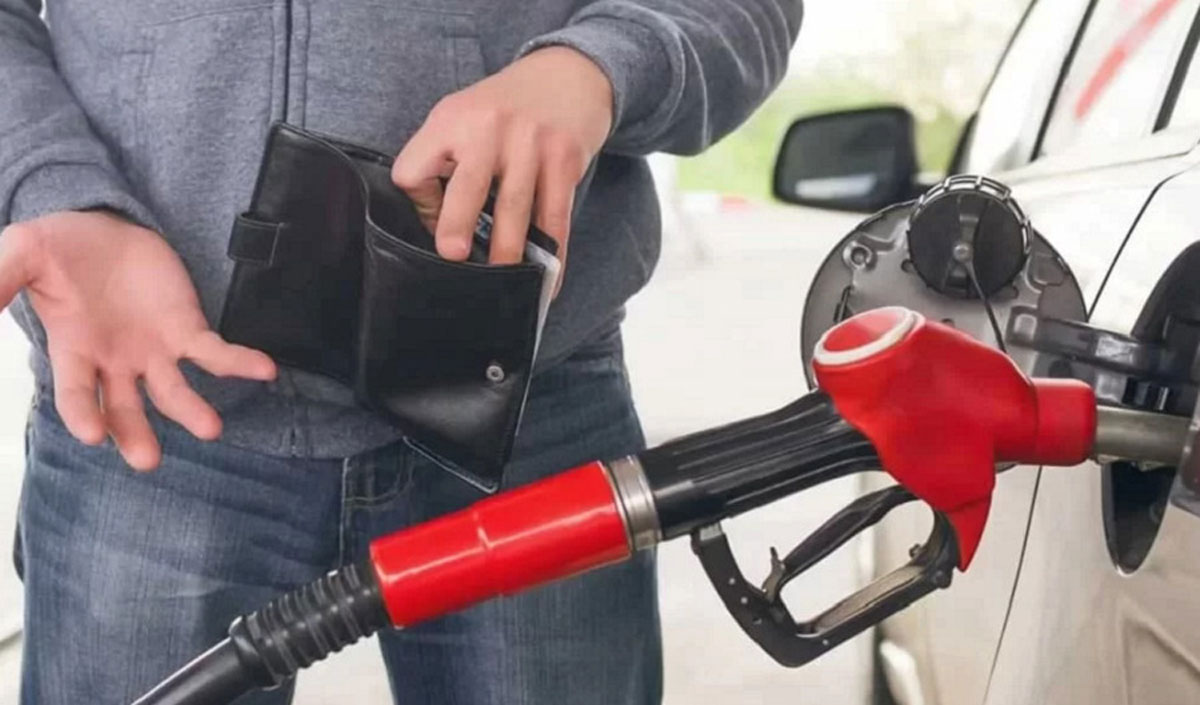
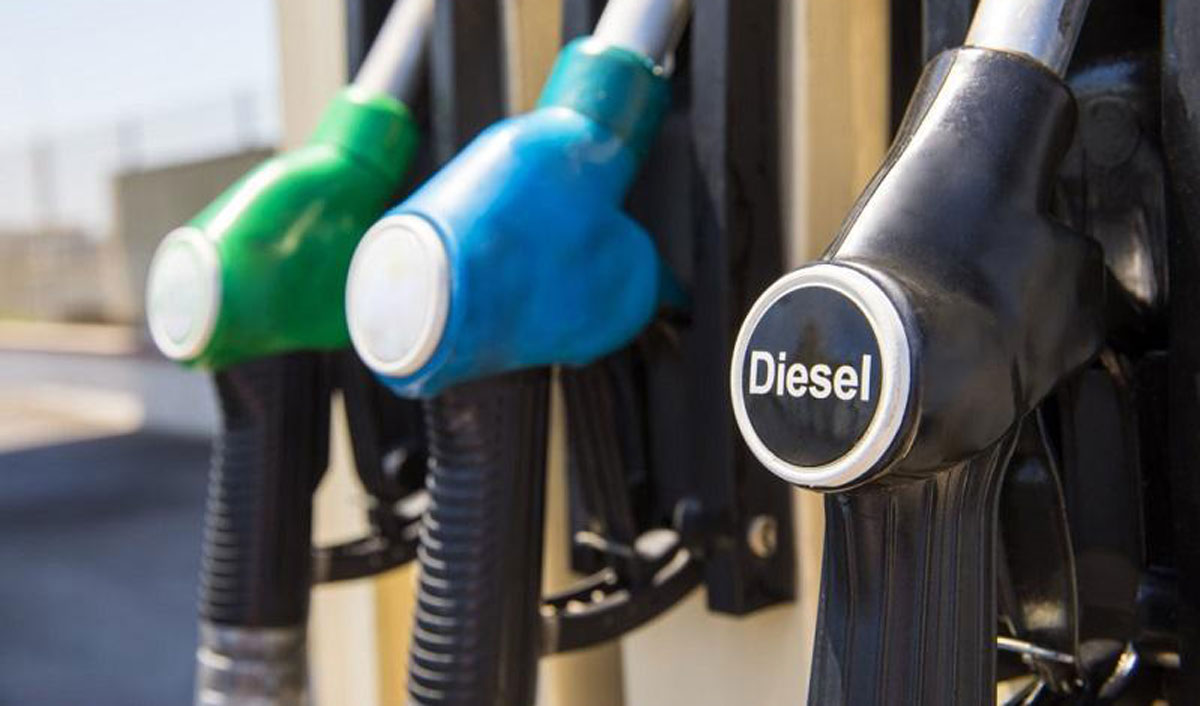
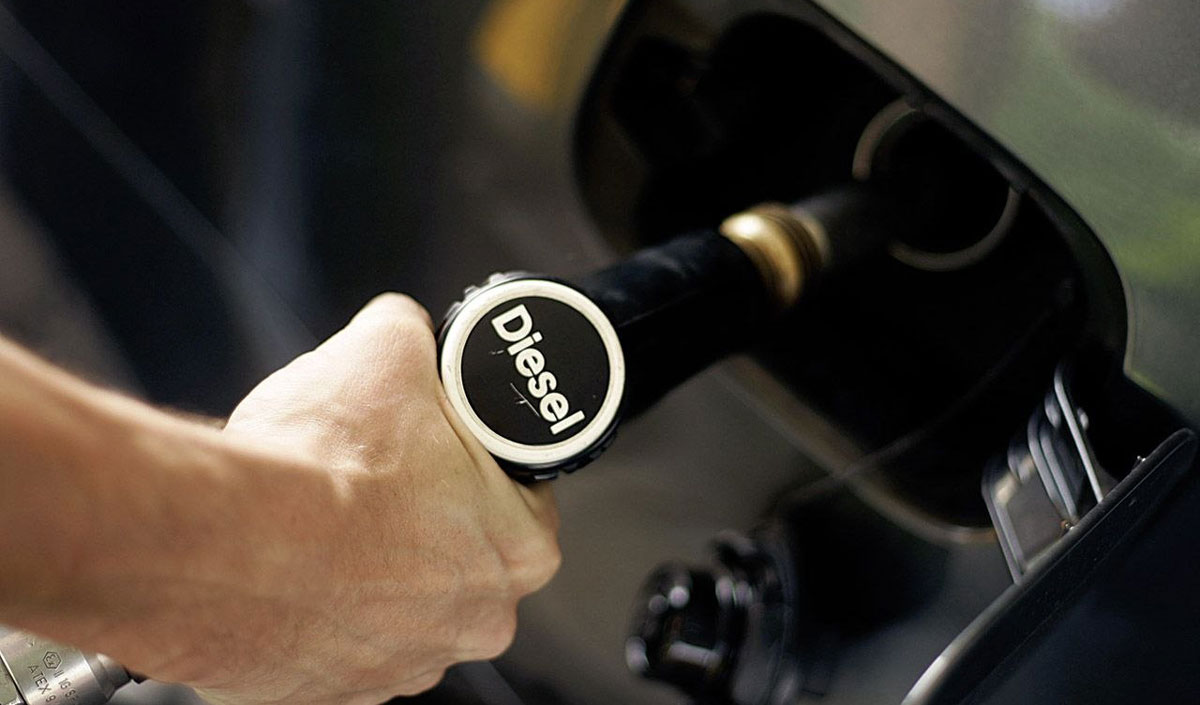
The National Energy Regulatory Agency (ANRE) has published new maximum prices for petrol and diesel, which will come into effect on 10 September.
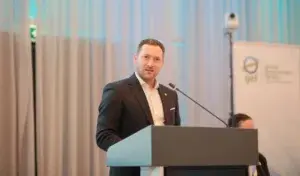
The first regional workshop under the Global Environment Facility’s (GEF) new programme cycle for 2026–2030 has opened in Chișinău. Participants include representatives from relevant ministries, heads of environmental agencies, experts and international partners representing 16 countries in Eastern Europe and Central Asia.
The National Energy Regulatory Agency (ANRE) has published new maximum prices for petrol and diesel, which will come into effect on 9 September.
The International Bank for Reconstruction and Development (IBRD) transferred €218.2 million to Moldova in August under a long-term loan agreement. The funds will be used to cover the state budget deficit and support key government reforms.
The Ministry of Defence has announced a selection procedure for a private partner to implement a public-private partnership project in the municipality of Bălți. The selection will be carried out through a competitive dialogue. The Public Property Agency is ensuring the transparency of the procedure by publishing information about the project.

The price of petrol in Moldova will exceed 32 lei.
Yesterday, the water flow from the upper reaches of the river into the Dniester Reservoir reached a “phenomenally low level – 16 cubic metres per second”. This is in contrast to normal (in terms of weather conditions) years, when the flow from the Carpathians during this period was at least 100 cubic metres per second.
Revenue from grants is set to be reduced by 837 million lei under the proposed budget amendments. Of this amount, 133.7 million lei relates to cuts in budget support grants, whilst 703.3 million lei relates to reductions in grants for projects funded from external sources.
Between January and June 2026, the Ukrainian company ALVIVA GROUP increased exports of ‘Kyivkhlib’ brand products by 33 per cent in monetary terms compared with the same period last year.

The amendments to the State Social Insurance Budget for 2026 were approved by Parliament at first reading. The draft was drawn up by the Ministry of Labour and Social Protection on the basis of budget implementation figures for the first six months of this year.
Public sector employees with an average monthly income of up to 20,000 lei will receive a one-off payment of up to 4,000 lei. The relevant draft law amending the 2026 state budget and providing for one-off payments was approved by Parliament at first reading.

At the start of 2026, the official unemployment rate in Moldova rose sharply to 10.4 per cent. In the second quarter, the situation improved significantly. The unemployment rate fell by 3.1 percentage points to 7.3 per cent. This followed the National Bureau of Statistics (NBS) aligning the methodology of the Labour Force Survey (LFS) with European Union standards.

From 2027, state institutions will be assessed annually against performance indicators. The State Chancellery has developed a methodology that provides for the assessment of the efficiency, effectiveness, quality of services provided and transparency of institutions.
Although the Law on the Freedom of Establishment of Service Providers and the Freedom to Provide Services will apply from the date the Treaty on Moldova’s Accession to the EU enters into force, the government has already approved a roadmap for its implementation. The decree has been published and has entered into force.

The concept of ‘standard of living’ is always determined by a balance between income and expenditure. The official figures on the standard of living for 2025, published by the National Bureau of Statistics, revealed an important statistical status quo: on average, citizens earn more than they officially spend on current consumption.

The Ministry of Economic Development and Digitalisation has explained why the Ministry of Defence is being granted the right to initiate the creation of industrial parks. According to State Secretary Oleg Bivol, this provision is based on the principle of equal treatment for all ministries and state institutions that own land plots and meet the established requirements.

Some industrial parks may include plots of agricultural or special-purpose land without the need to change their designated use.
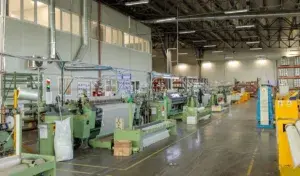
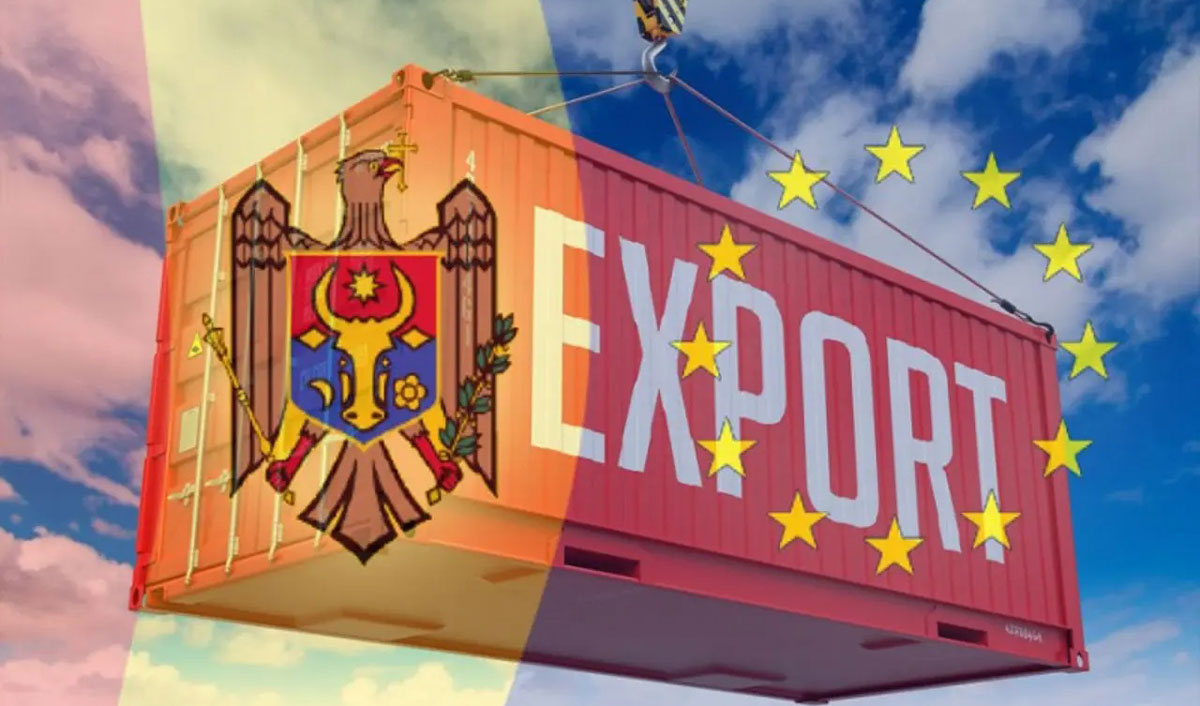
There is a very convenient way to tell the story of modern Moldova. For thirty years, the country tried to break free from the post-Soviet economic system. Then European integration began. Russia ceased to be the main market and energy hub. Exports were redirected towards the EU. European funding, infrastructure projects and energy links with Romania appeared. Membership negotiations began.