Send us a message, and we will definitely consider your suggestions and comments.
All
Business & Companies
Agribusiness & Winemaking
Art & Culture
Banks & Finance
International Trade
Culture
Digitalization
Social Sphere
Moldova’s Economy
Global Economy
Economy & Law
Green Economy
Education
Energy
Electricity
Renewable Energy
Events
Logos Press Exclusive
Export & Import
FinTech
Gas
Accidents
Infrastructure
European Integration
Artificial Intelligence
Investments & Markets
Municipalities
City & Regions
IT Market
Global Markets
Politics & Economy
Top News
Pro Business
Point of View
Territorial Reform
Retail & HoReCa
Healthcare
Society
Sport & Tourism
Technology & Innovation
Tourism
News
From 1 September, major banks and retail chains will begin connecting to the digital rouble, and payments in it will become available to all residents of Russia. Prior to this, the digital currency had been operating in the country on a trial basis.

“If we were receiving grants amounting to 3.0 per cent of GDP today, there would be no need to increase the tax burden,” says economic expert Veaceslav Ioniță.

From 1 September, a number of goods destined for the Transnistrian region are subject to VAT and excise duties following the abolition of a number of tax exemptions. In particular, this applies to tobacco products, alcohol, caviar, furs and precious metals.

Moldova’s first and only European Digital Innovation Hub (EDIH Moldova) is launching a call for proposals on 1 September to support the digitalisation of small and medium-sized enterprises and public institutions. The total cost of the service package is €8,357, of which 50 per cent is co-financed by the European Union. Consequently, the beneficiary’s contribution amounts to €4,178.50.
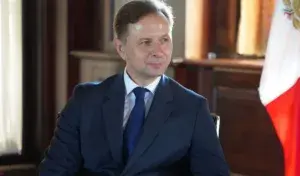
Moldova has forged good relations with the new US administration and achieved concrete results in the fields of security, trade and energy. This was stated by Moldova’s Ambassador to the US, Vlad Kulminski, as he summarised his first year in office.
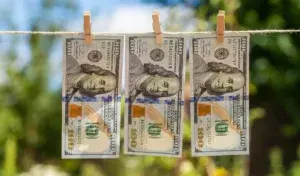
The list of reporting entities – those subject to the Law on the Prevention and Combating of Money Laundering and Terrorist Financing – will be updated and expanded.
On the night of 1 September, a Russian air strike on the Odesa region damaged the infrastructure of the ‘Orlovka–Isakcha’ international border crossing on the Ukrainian-Romanian border. Operations at the crossing have been temporarily suspended due to the damage.

In the new academic year, 27,500 children took their places at their desks for the first time, whilst 473 young professionals began their careers as teachers.

In Moldova, 10,100 people working informally have been identified since the start of 2026.

The National Cancer Control Programme for 2026–2030 will require 2.59 billion lei, according to a draft drawn up by the Ministry of Health. The funds will be allocated from the state budget, compulsory health insurance funds and external sources, including European funds.
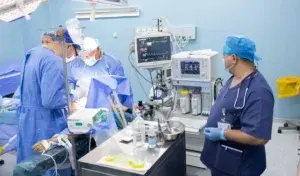
Between 24 and 31 August 2026, revenue from the Customs Service to the state budget totalled over 950.14 million lei, which is 25.3 per cent higher than the target for the reporting period.

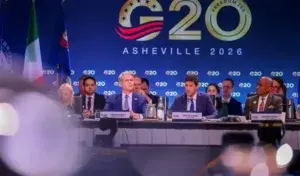
The administration of US President Donald Trump has reinstated Russia’s full participation in the G20 finance ministers’ meeting.
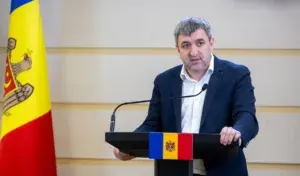
The military equipment and armaments displayed in the country’s central square on Independence Day represent “only a small part” of the National Army’s capabilities. This was stated by Lilian Karp, MP and chair of the parliamentary committee on national security, defence and public order.
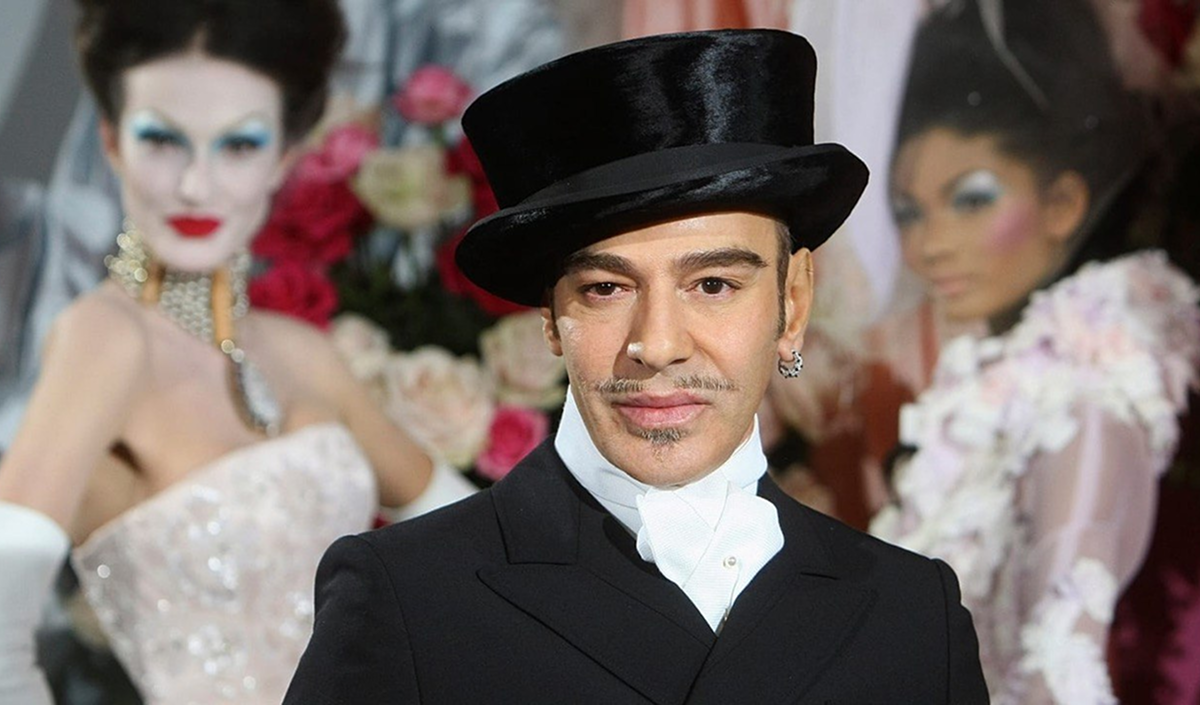
An exhibition by the British designer was scheduled to open the Costume Institute’s spring season in 2027. Following criticism from members of the Jewish community, Galliano announced that the exhibition would not take place. The decision was made following discussions between the designer, museum leadership, and other stakeholders. The museum and Galliano himself announced this on August 31.
Tim Cook is stepping down today as Apple’s CEO and handing the position over to John Turnus, senior vice president of hardware engineering.
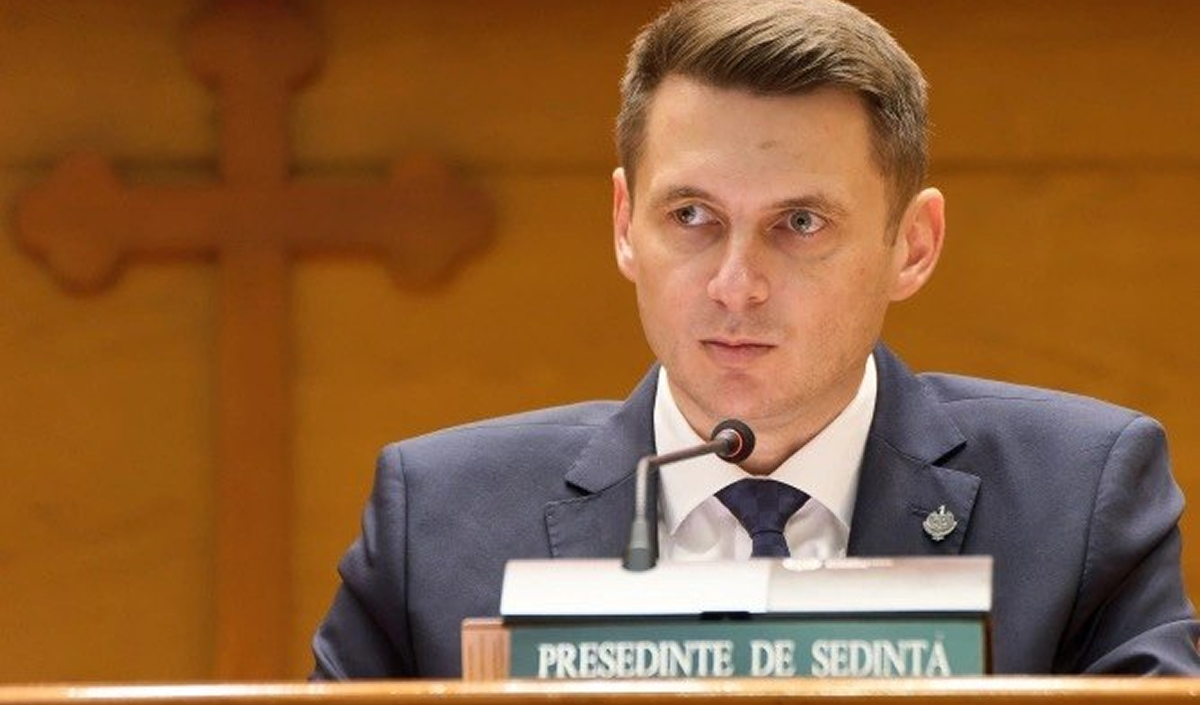
At the 2026 Annual Meeting of the Romanian Diplomatic Corps, Romania’s leadership reaffirmed the strategic priority of providing assistance to the Republic of Moldova. Bucharest has identified ensuring Chisinau’s rapid and irreversible integration into the European space as a key objective.
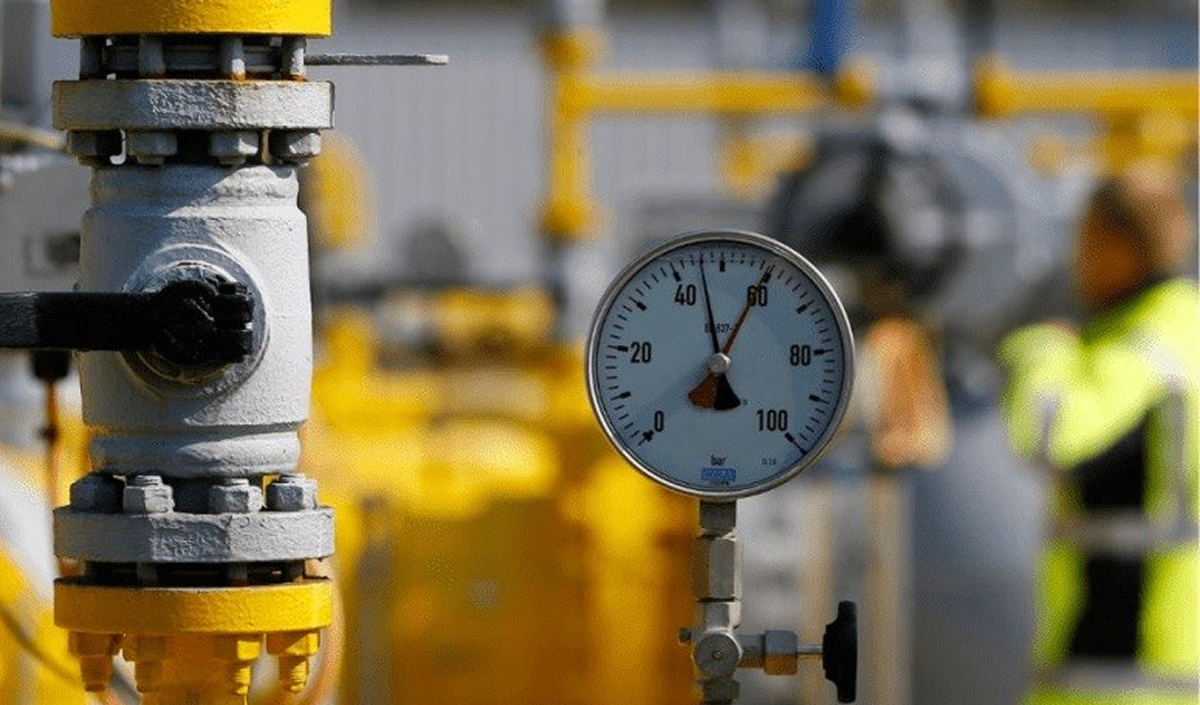
The exchange price of natural gas on the Dutch TTF hub exceeded 70 € per MW·h, reaching its highest level since March amid renewed U.S.-Iran tensions, rising oil prices, and concerns over further delays in LNG exports from the Persian Gulf.
In less than 200 days, OpenAI has turned advertising on ChatGPT into a business with annual revenue of $1 billion. At the same time, the company is expanding its advertising platform into new markets, hoping to turn the chatbot’s massive audience into a standalone source of revenue ahead of its IPO.
The government has extended the state of heightened readiness in the energy and hydrological sectors by 30 days amid regional risks and drought.
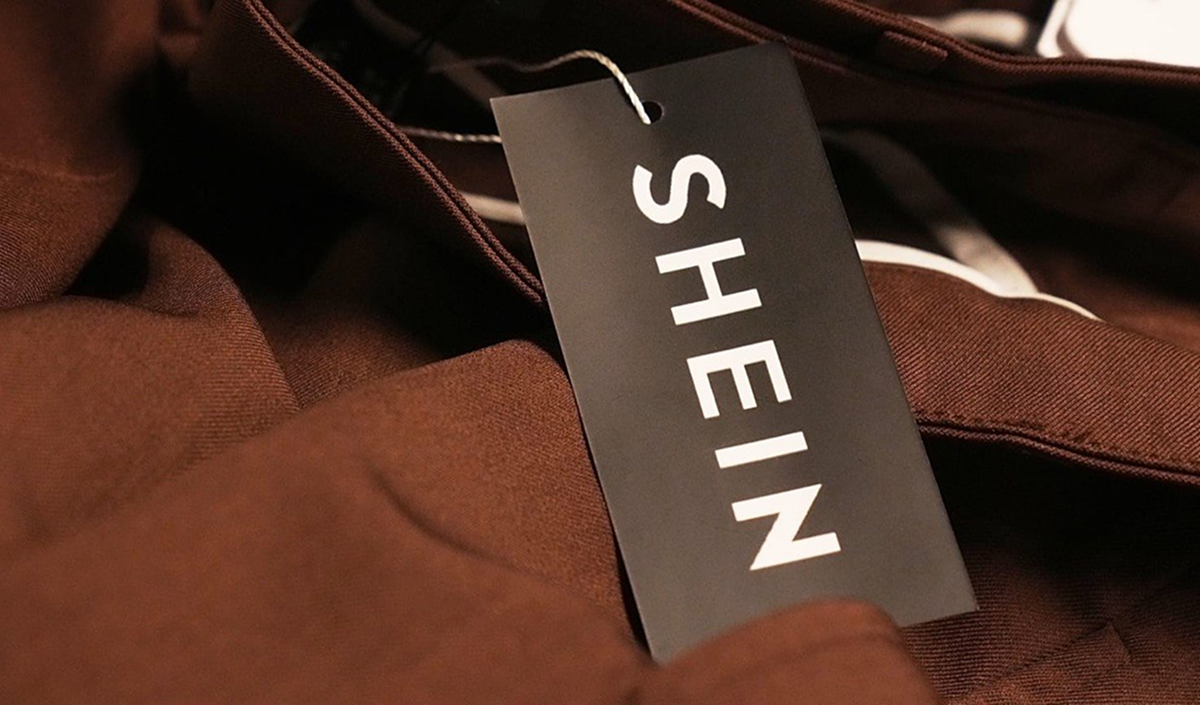
Shein is going public on the Hong Kong Stock Exchange with a valuation of about $26.5 billion—nearly four times lower than the record $100 billion the company reached in 2022. The online retailer raised about $1.7 billion in its IPO, and trading in its shares will begin on September 1,