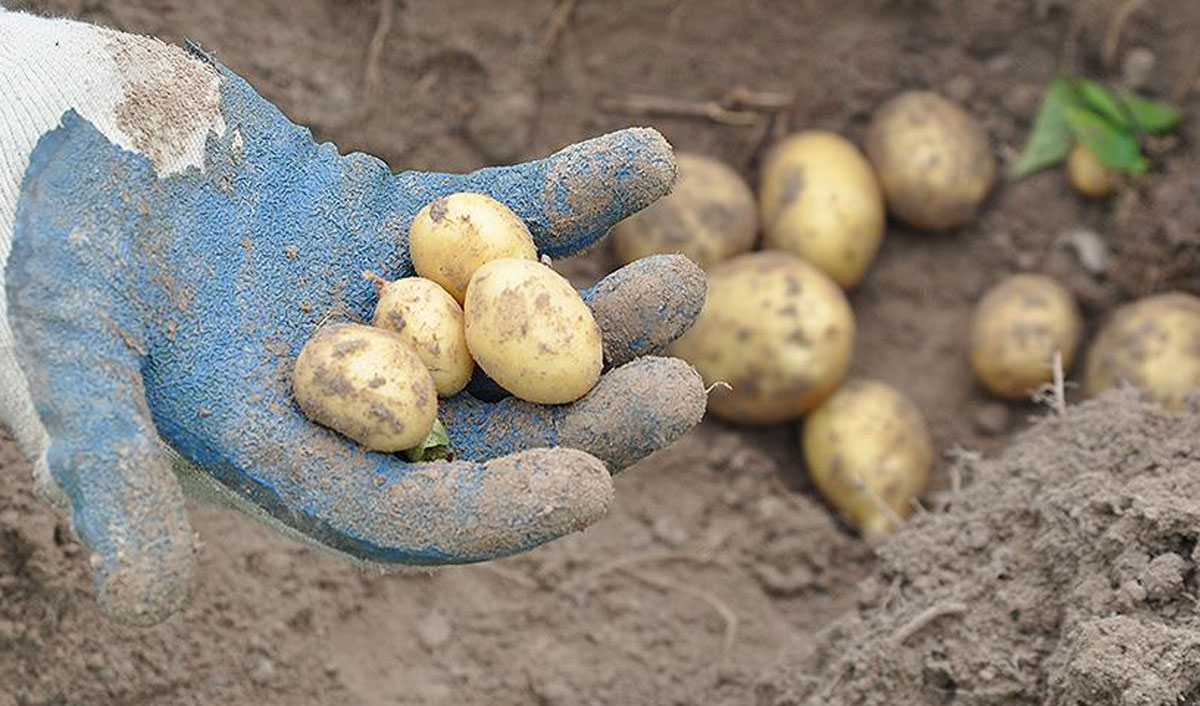

What seemed like a potential risk back in mid-March turned into a stark reality by the end of the month: rising costs and supply chain disruptions are putting growers on edge, EastFruit reported, citing Potato News Today.
What has changed in recent weeks?
The situation has moved out of the “warning” phase and into the “crisis” phase. It is made up of the following factors.
Logistical deadlock. shipping in the Persian Gulf is practically stopped. The largest carrier Maersk is forced to use land routes across the Arabian Peninsula, prioritizing only medicines and foodstuffs.
Vulnerability of potato production. Unlike cereals, potatoes are a complex product. It needs climate-controlled warehouses, processing and a continuous ‘cold chain’. Any failure in logistics makes production of this perishable crop prohibitively expensive.
“Plastic inflation” is a blow to processing and packaging. The Middle East accounts for 40% of global polyethylene exports. Raw material supply disruptions have driven polymer prices to a four-year high. This is directly hitting the cost of packaging – from fresh potato nets to freezer bags.
Why have potatoes been hit harder than other crops?
The main reason is the dependence on fertilizer. According to Reuters, a third of the world’s fertilizer trade passes through the Strait of Hormuz.
Nitrogen prices and export restrictions. The cost of urea (urea) in the Middle East jumped by 40%, while in the U.S. fertilizers rose in price by 32%, in Ukraine – by 65%, in Moldova (according to expert estimates) – by 50%. The situation was exacerbated by Russia’s temporary ban on ammonium nitrate exports (until the end of April), which further “dried up” the nitrogen market.
Agronomic aspect. Potatoes have a shallow root system and are extremely sensitive to the level of nutrients in the soil. Fertilizer deficiency leads directly to loss of yield and tuber quality. Potatoes are also highly dependent on irrigation, crop rotations and the level of agro-technology (plant protection).
It may be recalled in this regard that, as Logos Presswrote , the main share of nitrogen fertilizers was imported to Moldova back in winter. However, traders will surely put the risks due to logistic failures and global price increases into the selling price of already imported goods, and potato growers – into the future harvest. Especially since in the current (closing) season they sold the high-2025 potato crop at throwaway prices. That is, in any scenario, the area under potatoes in Moldova, the Black Sea region, and Europe as a whole will certainly decrease, its gross yield will decrease, and prices for the product will increase.