
Saudi Arabia cut its oil output by 2 million to 2.5 million bpd and the United Arab Emirates by 500,000 to 800,000 bpd, Bloomberg News reported Tuesday.
A spokesman for Iran’s Revolutionary Guard said Tuesday that the country would not allow the export of “a single drop of oil” from the Middle East if attacks by the U.S. and Israel continue.
Aramco’s CEO, Amin Nasser, told reporters on a conference call that the current crisis is the most serious in the history of the region’s oil and gas industry. He emphasized that the longer the disruption to shipping lasts, the more serious the consequences for the global economy will be.
Nasser also noted that the crisis will not only affect the shipping and insurance sectors, but also aviation, agriculture, automobile and other industries.
World stocks at a minimum
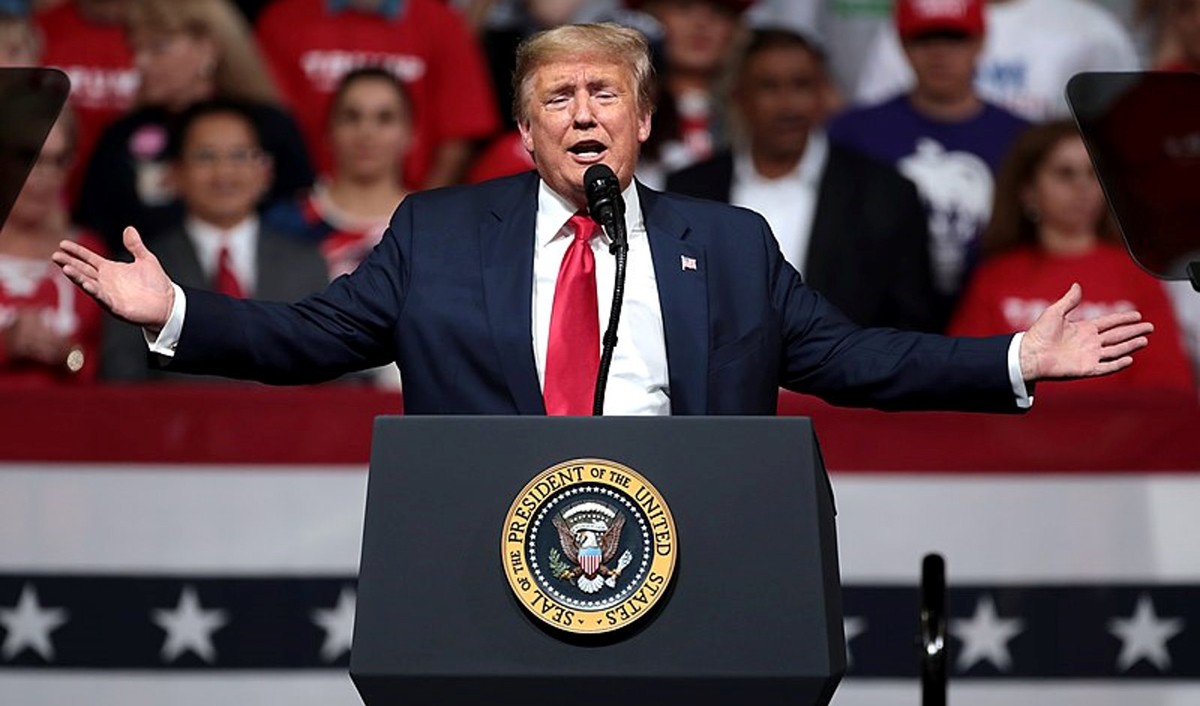
The price of Brent crude oil, which reached nearly $120 a barrel on Monday, fell to $92 on Tuesday after U.S. President Donald Trump’s statements about the possible imminent end of the war. Trump warned that the U.S. could hit Iran harder if it continues to block exports from the region.
Trump also said the U.S. Navy could escort ships in the Persian Gulf to ensure their safe passage. However, the Navy’s capabilities are unclear as some of the ships are involved in strikes against Iran and shooting down its missiles.
Nasser noted that global oil reserves are at a five-year low and the crisis will further reduce them. He stressed that restoring shipping in the strait is essential to stabilize the situation.
Bypasses
Trump is mulling steps to bring down oil prices. Among the possible options are easing sanctions against Russia, releasing oil reserves of the G7 countries to stabilize the global market, several sources said.
The Trump administration is concerned that rising oil prices following U.S. and Israeli strikes on Iran could negatively impact U.S. businesses and consumers ahead of the November midterm elections. In this environment, Trump’s fellow party members are seeking to retain control of Congress.
On Monday, Trump told reporters in Florida that his administration may lift sanctions on some countries to stabilize the oil market. However, he did not disclose details.
“We have sanctions on some countries and we’re not going to lift them until the spill issue is resolved,” he said.
The easing of sanctions against Russia could boost global oil supplies amid supply disruptions due to the conflict in Iran. However, it could also complicate U.S. efforts to limit Russia’s revenue.
Analysts and industry officials believe the White House has limited options to quickly rein in oil prices. The only way is to restore tanker traffic through the Strait of Hormuz, which carries about a fifth of the world’s oil.
The White House plan to provide naval escorts and insurance for ships passing through the Strait of Hormuz has not yet resulted in a significant increase in shipping traffic.
In Washington, U.S. officials have been in separate talks with G7 counterparts about the possibility of sharing strategic oil reserves. A decision has not yet been made.