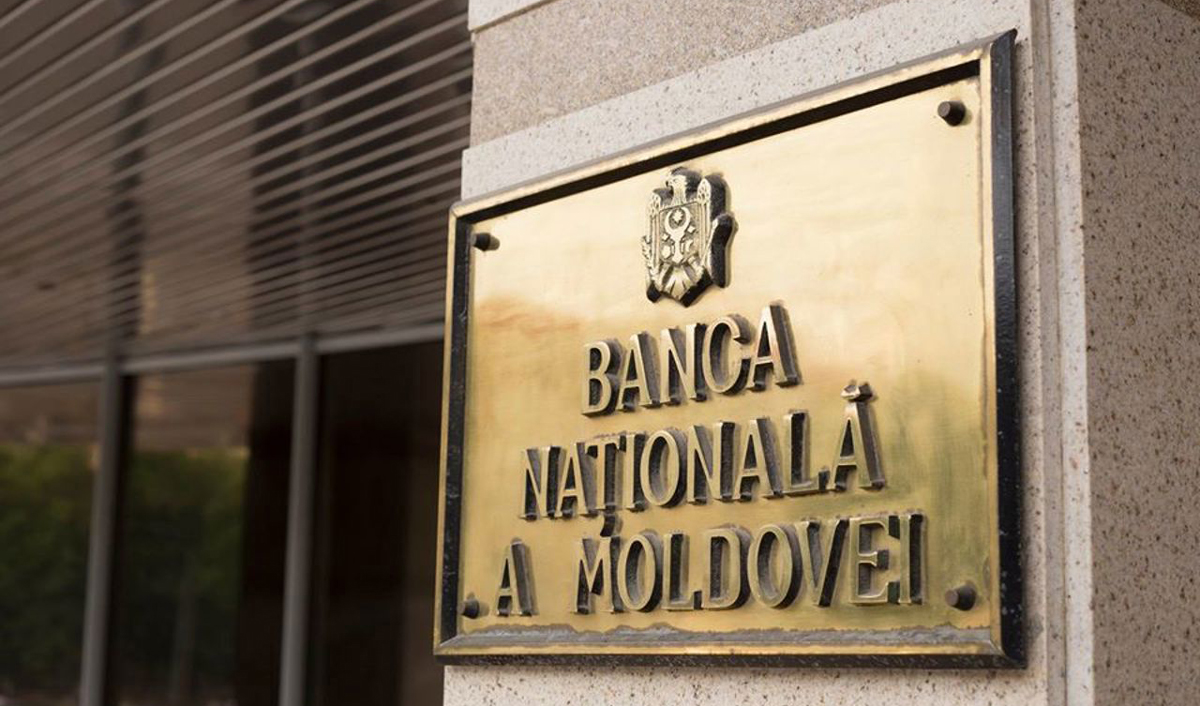

The inflation rate in February 2026 was slightly higher than expected – annual inflation amounted to 5.06% (+0.22 p.p. vs. January). And this growth started even before the onset of the Middle East events. By structure, the annual inflation rate in February was mainly due, according to the NBM, to “the increase in food prices, core inflation and fuel prices, partially compensated by the decrease in regulated prices”. Aggregate demand remained subdued and maintained its disinflationary impact on prices.
The central bank hopes for the disinflationary impact of demand and lower consumption even now, when the country’s dependence on energy, world food and raw material prices have gone up.
According to the NBM, “a marginal increase in international food prices” is expected in 2026 and 2027. At the same time, “the reduction of fertilizer supplies to the world market as a result of existing regional conflicts will determine the increase in agricultural costs, especially next year,” commenting on their decision yesterday to keep the prime rate unchanged (5% per annum).
At the same time, the central bank reports that it is moving to a special attention to prices in order to intervene in time. If the risk of high international energy, food and commodity prices persists, it will take “appropriate restrictive monetary policy measures to combat inflationary pressures and the secondary effects of supply shocks in order to achieve the fundamental objective of maintaining price stability.”