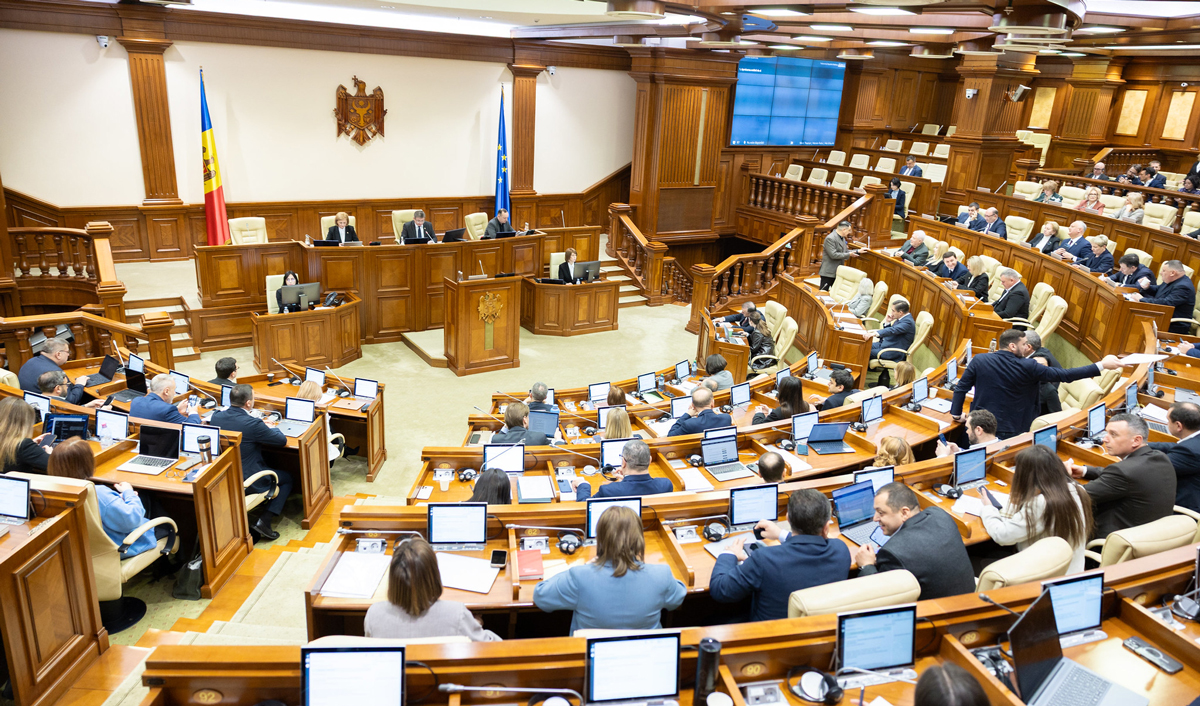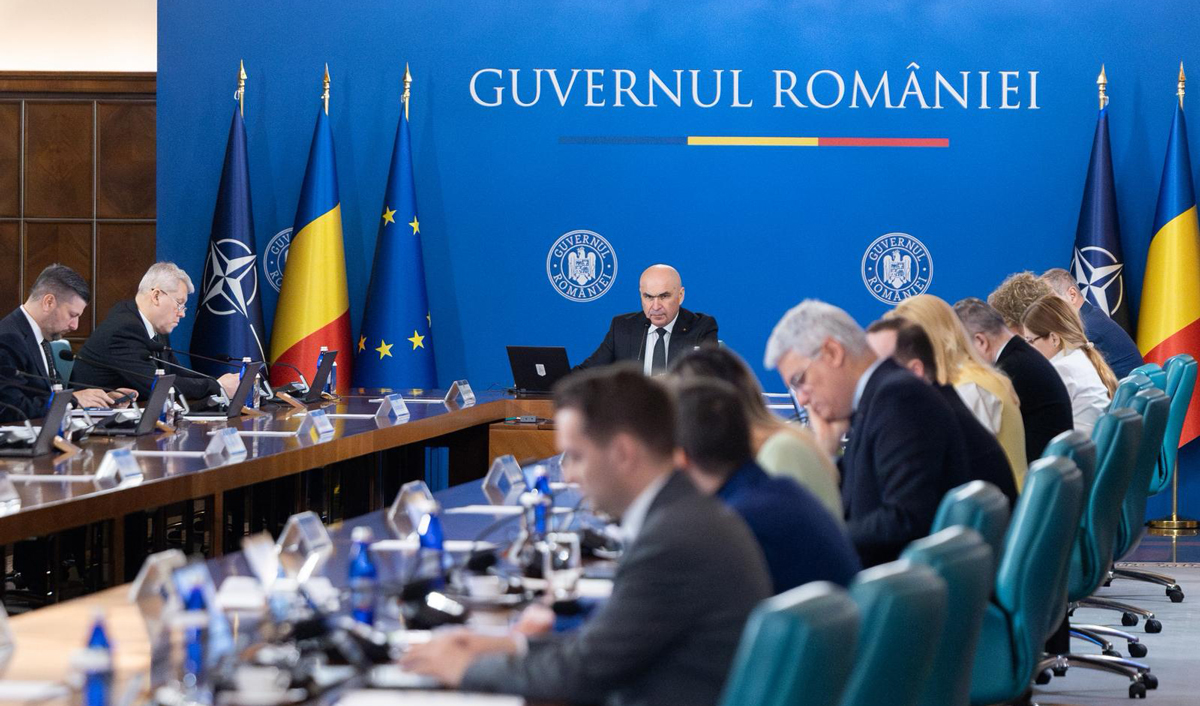

This is part of the government’s incentives, which it promotes for the reform of local public administration. Overall, the package of measures is estimated at almost 6.5 billion lei. It will contribute to strengthening the revenue base of localities and stimulate their development.
As for the financial parameters of the reform, first, it is proposed to triple the amount of incentive subsidies – from 1,000 to 3,000 lei per inhabitant. This will make it possible to more substantially support the voluntary association of mayoralties.
VAT and personal income tax
Also, the government proposes to adjust the system of local public finances. Thus, it is proposed to direct a part of VAT to the budgets of mayoralties. (Now this tax is fully transferred to the state budget). And the percentage should be set depending on the number of population.
According to the long-standing insistence of local authorities, it is also possible to adjust the distribution of personal income tax. It is proposed to analyze the option of transferring it to the place of residence of the taxpayer.
This would reduce the existing imbalance, when tax revenues are accumulated at the place of work, most often in cities, and infrastructure costs are borne by the settlements where employees live. In the long term, the distribution of personal income tax by place of residence will stimulate the mayor’s office to improve the quality of life.
The reform also provides for the strengthening of local budgets’ own revenues through the actualization of real estate tax taking into account its market value and updating cadastral data.
Stimulus transfers and co-financing fund
At the same time, the authorities propose the introduction of incentive transfers. City halls with a high share of their own revenues will receive additional resources. Their amount will be calculated automatically on the basis of budget indicators.
Another tool, which has long been promoted by the mayor’s community, could be a special fund for co-financing local projects. It will make it possible to cover the mayoralties’ own contribution to projects with external financing. Thus, it will reduce the barriers to investment that often arise.
Access to the fund would depend on the efficiency of management and the ability to implement projects and could be conditioned by appropriate criteria.
Consultation on the draft concept is pending.