
Yesterday, March 25, the Government approved amendments to the legal framework related to procurement in the energy, water, transport and postal sectors, initiated by the Ministry of Finance. In this context, the draft law amending Law No. 74/2020 in the field of sectoral procurement was approved.
Delegation of authority to the private sector will not be possible until the new electronic system of public procurement management, which implies full digitalization of procedures, becomes operational. It is currently at the conceptual stage of development.
The state plans to engage specialized private companies (centralized procurement bodies) to organize and conduct tenders in specific sectors (e.g., energy, healthcare, IT, construction).
The goal of the reform is to reduce corruption and professional risks. According to the government, private operators with “in-depth knowledge” will be able to better assess the quality of goods and services, better oriented in market prices than “universal” civil servants.
In November 2025, the Moldovan government approved a new draft law that lays down the legal framework for the operation of such private marketplaces and revises contract thresholds to simplify procedures. Implementation of this model is expected during 2026-2027, as bylaws are adopted and private operators and service providers are accredited.
Where to start
The transfer of procurement administration to private operators (through the mechanism of centralized procurement bodies) in Moldova will start with sectors where goods and services with a high degree of standardization or critical social importance are procured. As a rule, they “eat up” the majority of budgetary funds.
First of all, the reform will affect the following sectors:
Healthcare: Procurement of medicines, medical equipment and consumables. This area is already partially centralized through CAPCS (Center for Centralized Public Procurement in Healthcare), but there are plans to expand the participation of private expert platforms to increase the transparency of supplies.
Energy and utilities:
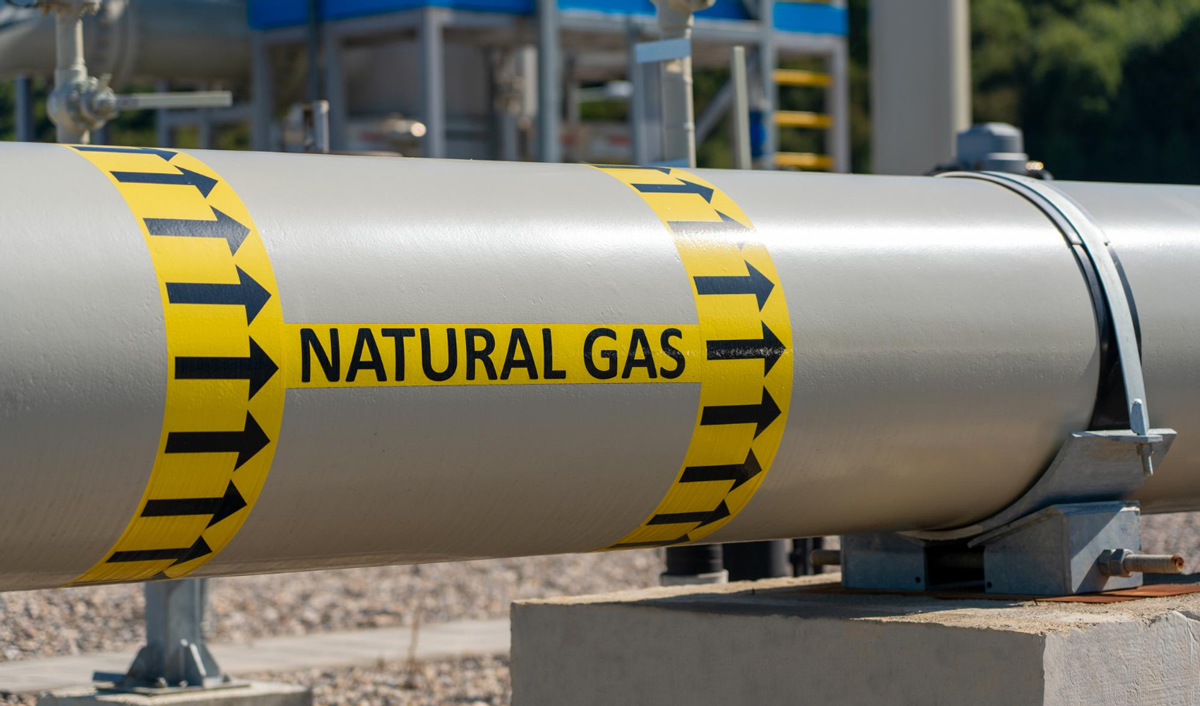
Procurement in the electricity, gas and water sectors. New rules for sectoral procurement make it easier for private operators to enter the market.
IT and digitalization:
Procurement of software, equipment and support services for public digital systems. Private operators are involved here as experts able to assess the technological complexity of projects.
Construction and infrastructure:
Design and road works. In this sector, private platforms will help standardize requirements for contractors and reduce corruption risks when evaluating estimates.
Transportation and postal services:
Industries covered by the law on sectoral procurement (Law No. 74/2020), where harmonization with EU rules is already well underway.